Gut-Brain Axis Diagram Generator Vagus, HPA, metabolites
Generate gut-brain axis diagrams from text: vagus nerve, HPA axis, immune signals, SCFAs and tryptophan metabolites. Draft figures for reviews and grants.
Create Your Gut-Brain Axis Diagram
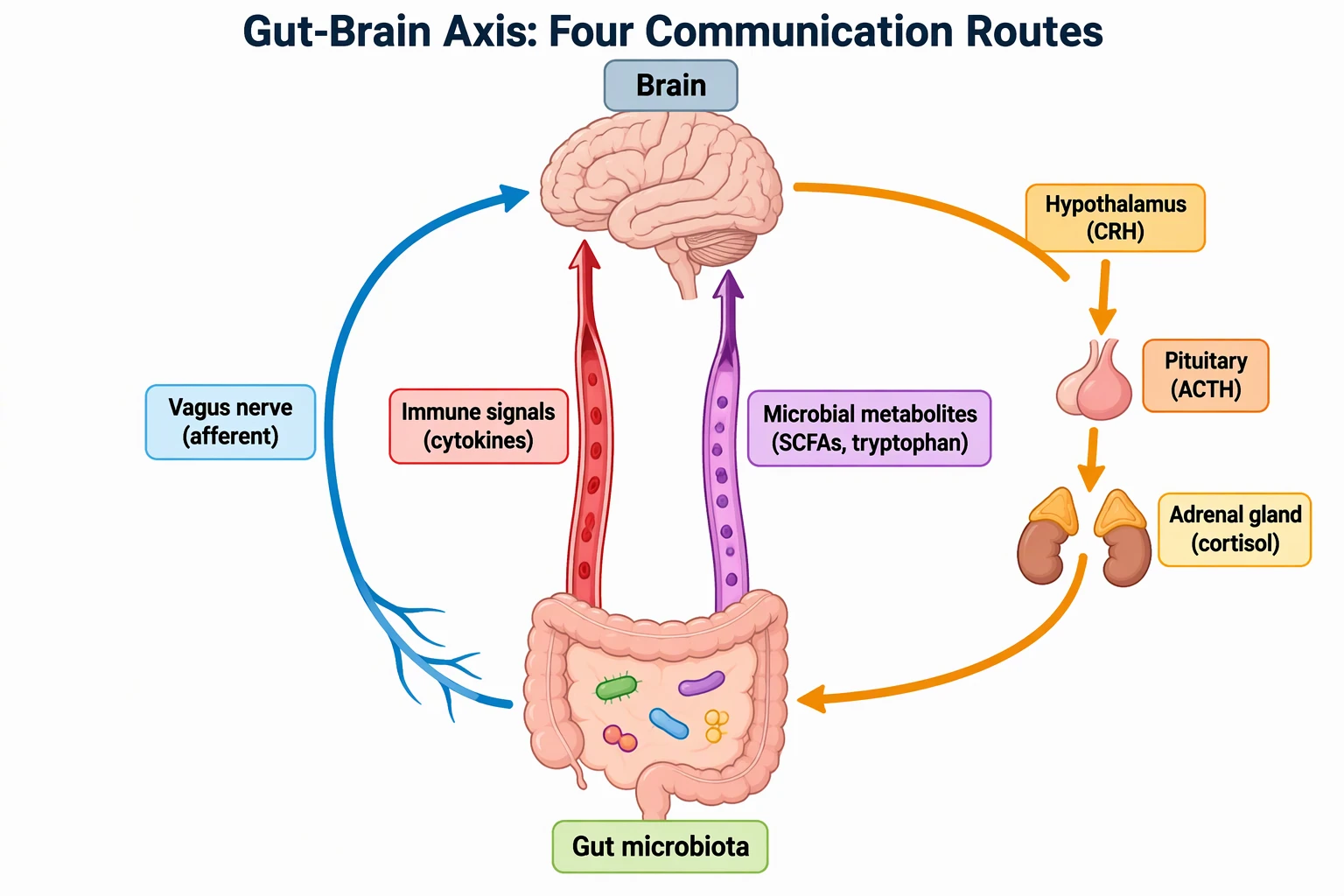 Example: Four routesView full size
Free to try ·
Gut-Brain Axis Diagram Examples
Five AI drafts of the four routes, SCFAs, vagal afferents, tryptophan metabolism, and barrier changes, as starting points. AI diagrams need expert review.
Gut-brain axis: four communication routes
AI-generated. The gut and brain communicate through neural (vagus nerve), endocrine (HPA axis), immune (cytokines), and metabolite routes. The vagal arrow runs from gut to brain; the HPA chain runs from the brain to the adrenal gland and on to the gut.
Short-chain fatty acids and the gut barrier
AI-generated. Bacterial fermentation of dietary fiber yields acetate, propionate and butyrate. Butyrate is a major fuel for colonocytes, and SCFAs are implicated in barrier function and immune regulation. Detail such as receptors is not drawn.
Vagal afferent pathway from gut to brain
AI-generated. Sensory (afferent) vagal fibers have their cell bodies in the nodose ganglion and project to the nucleus of the solitary tract in the brainstem, which relays to the hypothalamus and limbic regions. All arrows point from gut to brain.
Tryptophan, serotonin and kynurenine branches
AI-generated. Tryptophan is a precursor for 5-HT made by enterochromaffin cells, for kynurenine pathway metabolites, and for microbial indole derivatives that act on AhR. Most of the body’s 5-HT is made in the gut.
Balanced vs disrupted microbiota
AI-generated. Disrupted microbial communities are associated with higher intestinal permeability, LPS translocation and inflammatory signaling in many studies. The drawing shows this association; it is not a statement of proven causation in any one disease.
This page is a focused companion to the signaling pathway diagram generator. To show where a drug, diet or probiotic acts on one of these routes, use the mechanism of action diagram generator.
What a gut-brain axis diagram has to show
The gut-brain axis is bidirectional communication between the gut and the central nervous system. A figure for a review, a grant or a paper usually shows more than one route: neural signaling through the vagus nerve and the enteric nervous system (ENS), endocrine signaling through the hypothalamic-pituitary-adrenal (HPA) axis, immune signaling through cytokines and the gut barrier, and microbial metabolites such as short-chain fatty acids (SCFAs) and tryptophan derivatives. Keep the direction of each arrow explicit, and use cautious wording for links to disease.
The routes most figures include
- Vagus nerve: afferent fibers carry signals from the gut wall to the nucleus of the solitary tract (NTS) in the brainstem. Their cell bodies are in the nodose ganglion. Efferent fibers run in the opposite direction.
- HPA axis: stress activates CRH release in the hypothalamus, ACTH from the pituitary, and cortisol (corticosterone in rodents) from the adrenal cortex. Glucocorticoids can influence gut permeability, motility and the microbiota.
- Immune pathway: cytokines, bacterial products such as LPS, and the integrity of the epithelial barrier and tight junctions shape signaling to the brain, including effects on microglia.
- Microbial metabolites: SCFAs (acetate, propionate, butyrate) from fiber fermentation, secondary bile acids, and tryptophan metabolites. Gut enterochromaffin (EC) cells make most of the body’s serotonin (5-HT), and tryptophan can also be routed through the kynurenine pathway.
- Barriers: the intestinal barrier and the blood-brain barrier control what reaches the brain. Draw which signals cross them and which act indirectly.
Where this figure is used in research
- Review articles on the microbiota-gut-brain axis in neuroscience, psychiatry and gastroenterology.
- Grant aims that link a microbiome intervention, such as diet, probiotics or a drug, to a neural or behavioral readout.
- Papers and theses that need a model figure for a mechanism, such as the SCFA, vagal or tryptophan route.
- Posters and talks that explain a microbiota-gut-brain axis question to a mixed audience.
How to prompt for an accurate gut-brain axis figure
- Name the route or routes you want: vagus nerve, HPA axis, immune, or metabolites. One route per figure is easier to check than all four.
- Give the steps in order and the direction of each: for example enteroendocrine cell, vagal afferent, nodose ganglion, NTS.
- Name specific molecules, such as butyrate, propionate, acetate, 5-HT, kynurenine, LPS or CRH, ACTH and cortisol.
- Use associative wording in the caption for disease links, such as “associated with” or “implicated in”, rather than “causes”.
- Check every label and arrow against a primary review before use. The reference sources below are a starting point.
Frequently Asked Questions
Reference sources (checked November 2026)
- The Microbiota-Gut-Brain Axis, Cryan et al., Physiological Reviews 2019
- The gut-brain axis: interactions between enteric microbiota, central and enteric nervous systems, Annals of Gastroenterology 2015 (PubMed Central)
- Indigenous bacteria from the gut microbiota regulate host serotonin biosynthesis, Cell 2015 (PubMed Central)
- Focus on the essentials: tryptophan metabolism and the microbiome-gut-brain axis, Current Opinion in Pharmacology 2019
Related Biology Tools
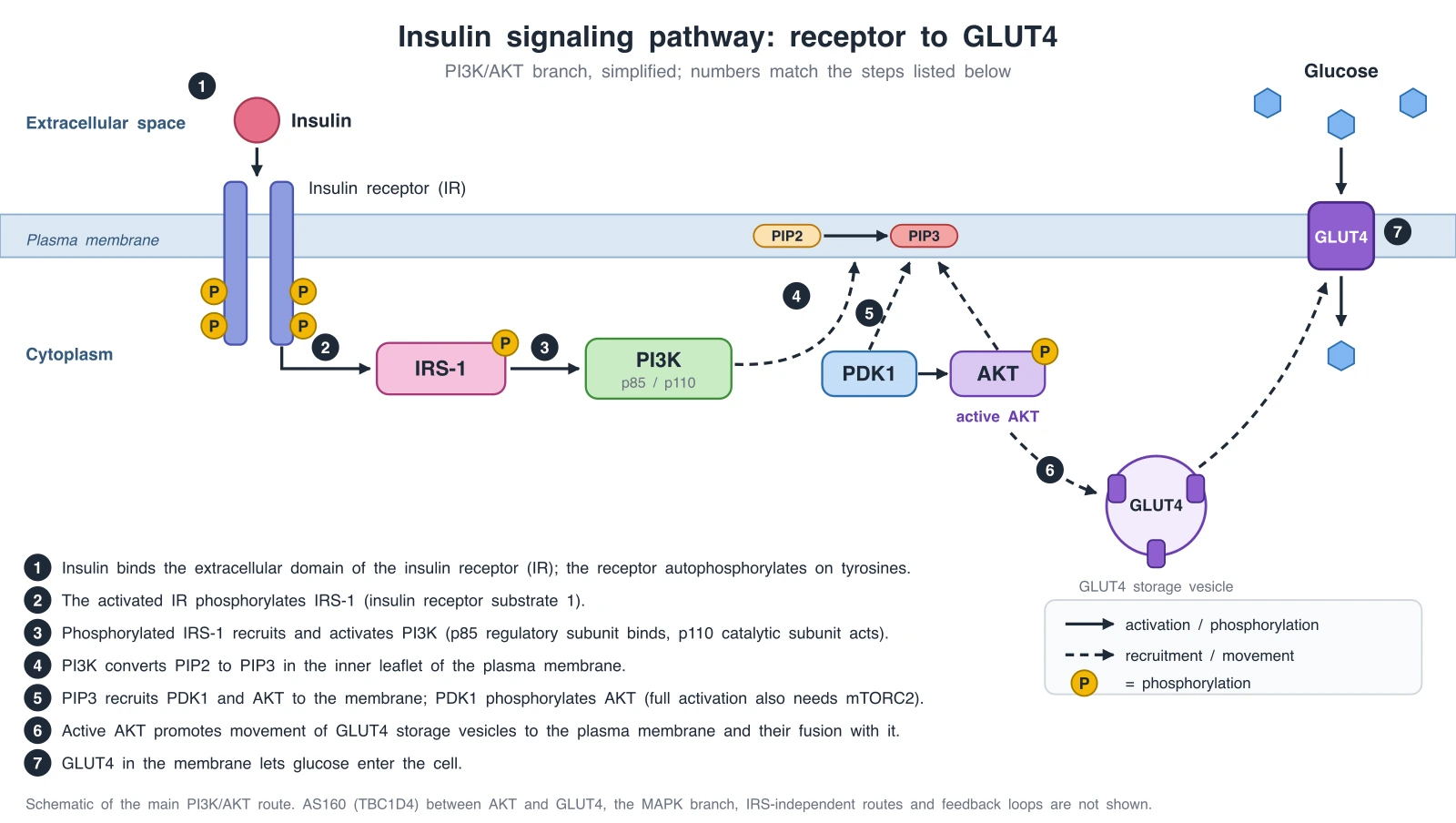
Signaling Pathway Diagram Generator
The general pathway hub: insulin, TGF-β/SMAD, and MAPK/ERK with membrane and nucleus layers.
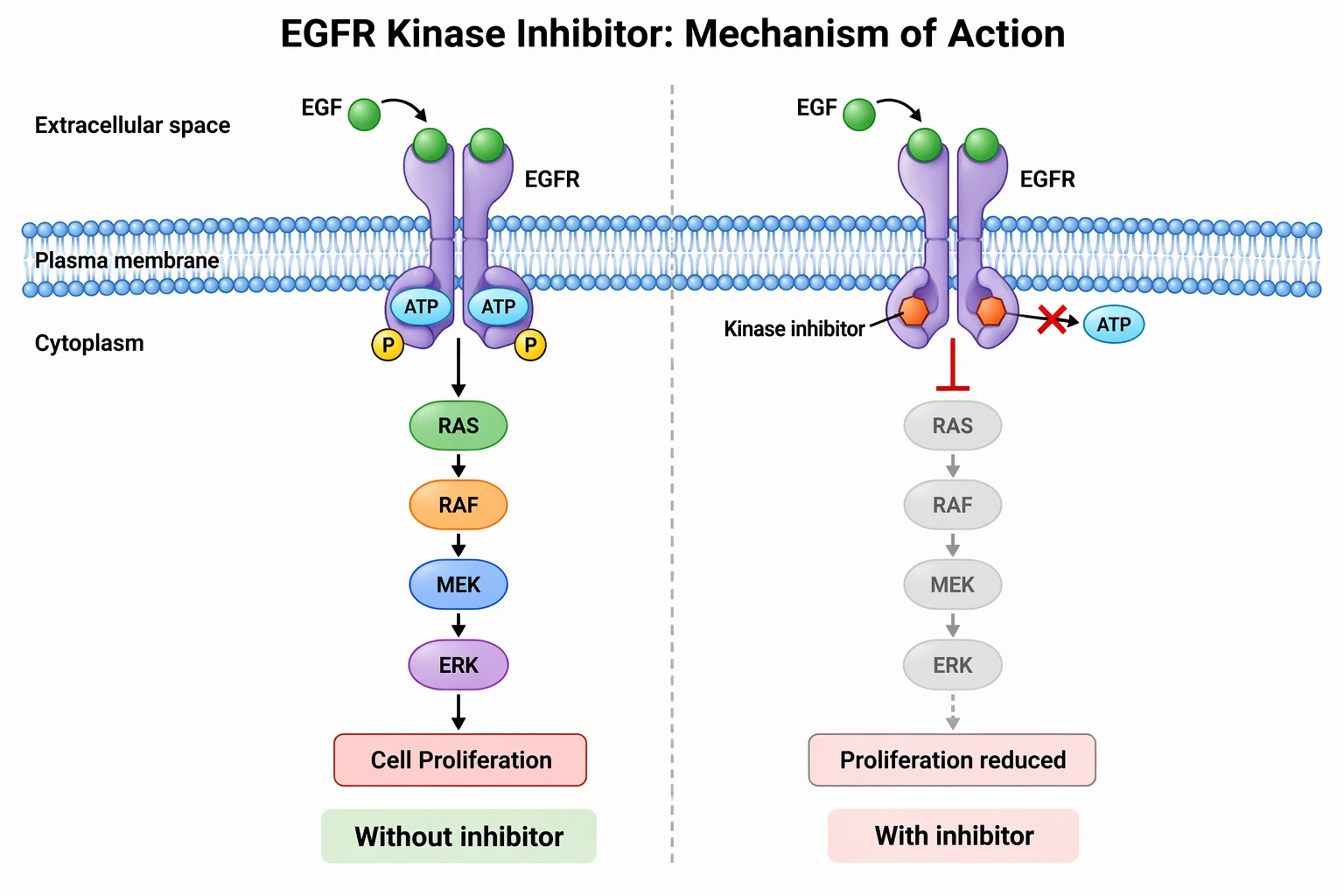
Mechanism of Action Diagram Generator
Show where a drug or intervention engages its target, from receptor to cellular effect.
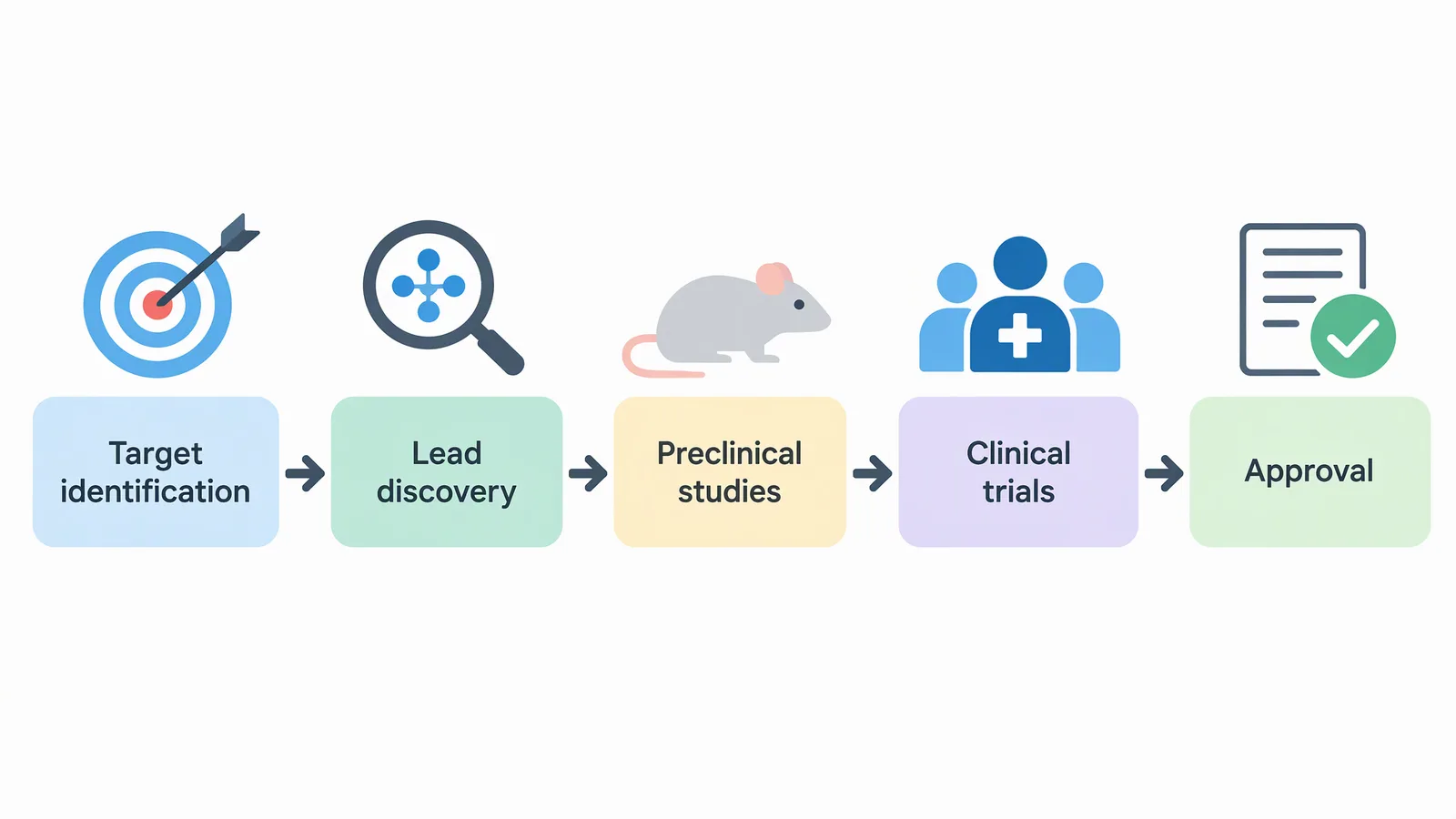
Graphical Abstract Maker
Draft a one-panel graphical abstract of your study, including diet, microbiome and immune mechanisms.