Chemistry Structure Generator for Molecular Diagrams
Generate chemical and molecular structure diagrams from a plain-English description. Draw organic structures, functional groups, bonds, and reaction mechanisms — clean, textbook-style visuals for teaching and communication, free.
AI Chemistry Structure Generator
Free to try ·
Your chemistry structure diagram will appear here
AI-generated illustration — verify exact structures against a cheminformatics tool
Chemistry Structure Examples
Structural formulas, molecules, and reaction mechanisms
Benzene Ring Structure
The classic aromatic ring — hexagonal C6H6 with delocalized pi electrons and 120° bond angles.
SN2 Reaction Mechanism
A reaction mechanism with curved arrows — backside attack, transition state, and inverted product.
Amino Acid Structure
The general amino acid — alpha carbon, amino and carboxyl groups, and a variable R side chain.
Glucose Molecule
D-glucose drawn two ways — the open-chain Fischer form and the cyclic Haworth ring.
Ester Hydrolysis
A full reaction — ester plus water gives a carboxylic acid and an alcohol, with the mechanism shown.
Peptide Bond Formation
Two amino acids condense into a dipeptide, releasing water and forming the peptide bond.
What is a chemistry structure generator?
A chemistry structure generator turns a written description into a chemical structure diagram — the picture that shows how atoms are connected by bonds. Type what you want, such as "benzene ring" or "the structure of glucose," and the tool draws a clean, textbook-style structural formula you can drop into slides, worksheets, and study notes. It is the fastest way to get a readable molecular structure when you do not want to align atoms and bonds by hand in dedicated drawing software.
What you can generate
- Organic structures: rings, chains, and skeletal formulas for molecules like benzene, ethanol, and glucose.
- Functional groups: hydroxyl, carbonyl, carboxyl, amino, ester, and more, drawn and labeled in context.
- Bonds and geometry: single, double, and triple bonds, plus bond angles and the overall shape of a molecule.
- Reaction mechanisms: multi-step diagrams with curved arrows, such as SN2 substitution or ester hydrolysis.
- Biochemistry diagrams: amino acids, peptide bonds, and sugars shown as labeled structural formulas.
How to generate a chemical structure from a description
- Describe the molecule or reaction you want in plain English — name the molecule, the functional groups, and any labels you need.
- Add detail for accuracy: include the molecular formula (for example C6H12O6), the atoms to label, and the style you want.
- Generate the diagram, then refine your description and regenerate until the layout and labels read clearly.
- Download the image to use in lecture slides, handouts, posters, or social posts.
Structural formulas, bonds, and functional groups
A structural formula shows which atoms a molecule contains and how they are bonded — lines represent shared electron pairs, with a single line for a single bond, two for a double bond, and three for a triple bond. Functional groups are the reactive clusters of atoms (like the –OH of an alcohol or the –COOH of a carboxylic acid) that define how a molecule behaves. This generator is built around those conventions, so the diagrams it produces are designed to read like the structural drawings you already know from textbooks.
Accuracy: what this tool is — and is not — for
This is an AI image generator, so it is best for visuals: teaching aids, explainers, and communication where a clear, recognizable structure matters more than machine-verified precision. AI can occasionally render a bond, a charge, or the connectivity of a complex molecule incorrectly, so always proofread the diagram against a trusted reference. For exact, validated structures — anything publication-ready or safety-critical — verify the molecule in a dedicated cheminformatics tool that draws from a real chemical formula or name. ConceptViz also offers a precise, text-driven Molecule Generator from Description for cases where correct connectivity is the priority.
Who uses it
Teachers and students use it to illustrate molecules and reactions for lessons, worksheets, and revision notes without learning specialist drawing software. Tutors and content creators use it to produce clear chemistry visuals for videos, blogs, and social media. Researchers and science communicators use it for quick conceptual figures and slide graphics — then verify any structure that needs to be exact before it is published.
Frequently Asked Questions
Related Chemistry Tools
 Chemistry
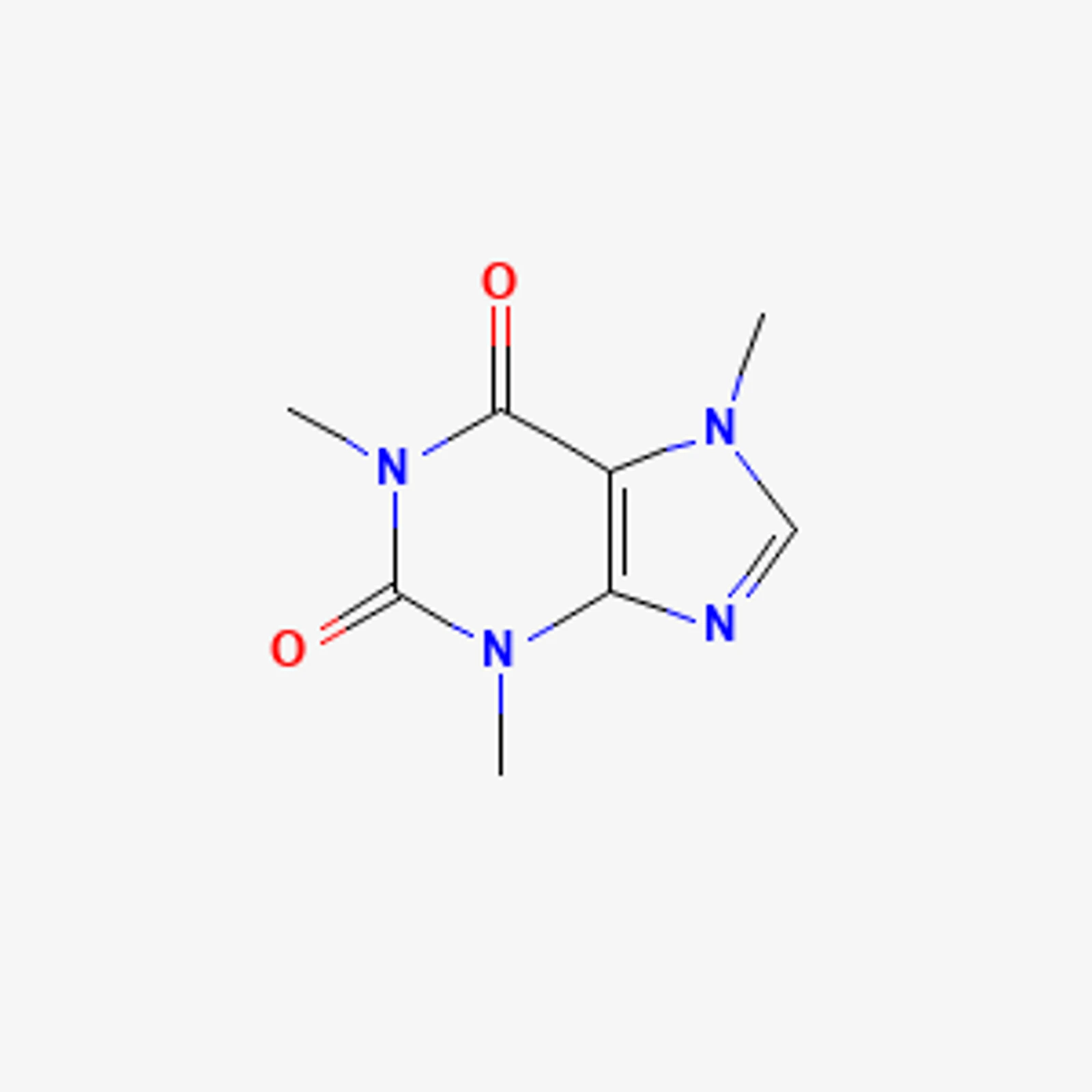
Molecule Generator from Description
A precise, text-driven molecule tool focused on correct connectivity for named compounds.
 Research
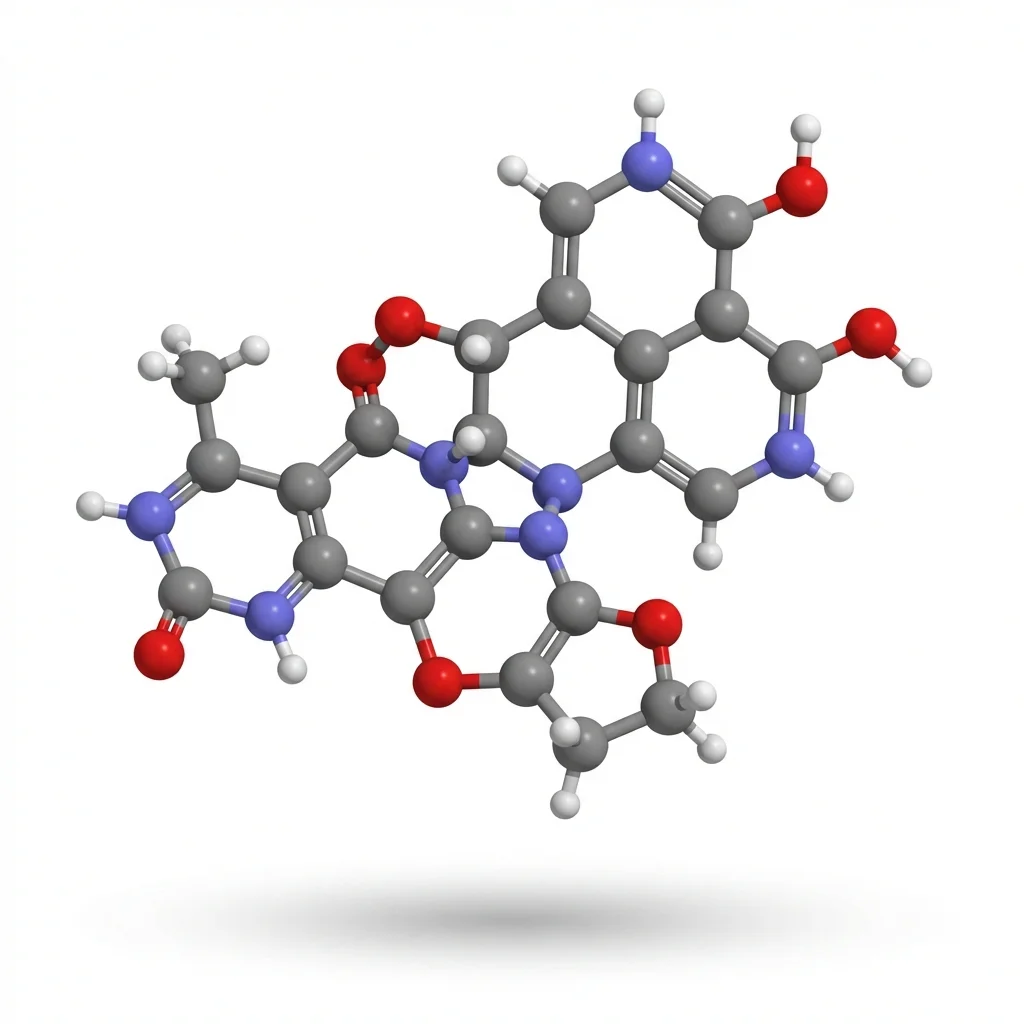
AI Scientific Image Generator
Create clean scientific figures and molecular visuals for papers and presentations.
 Research
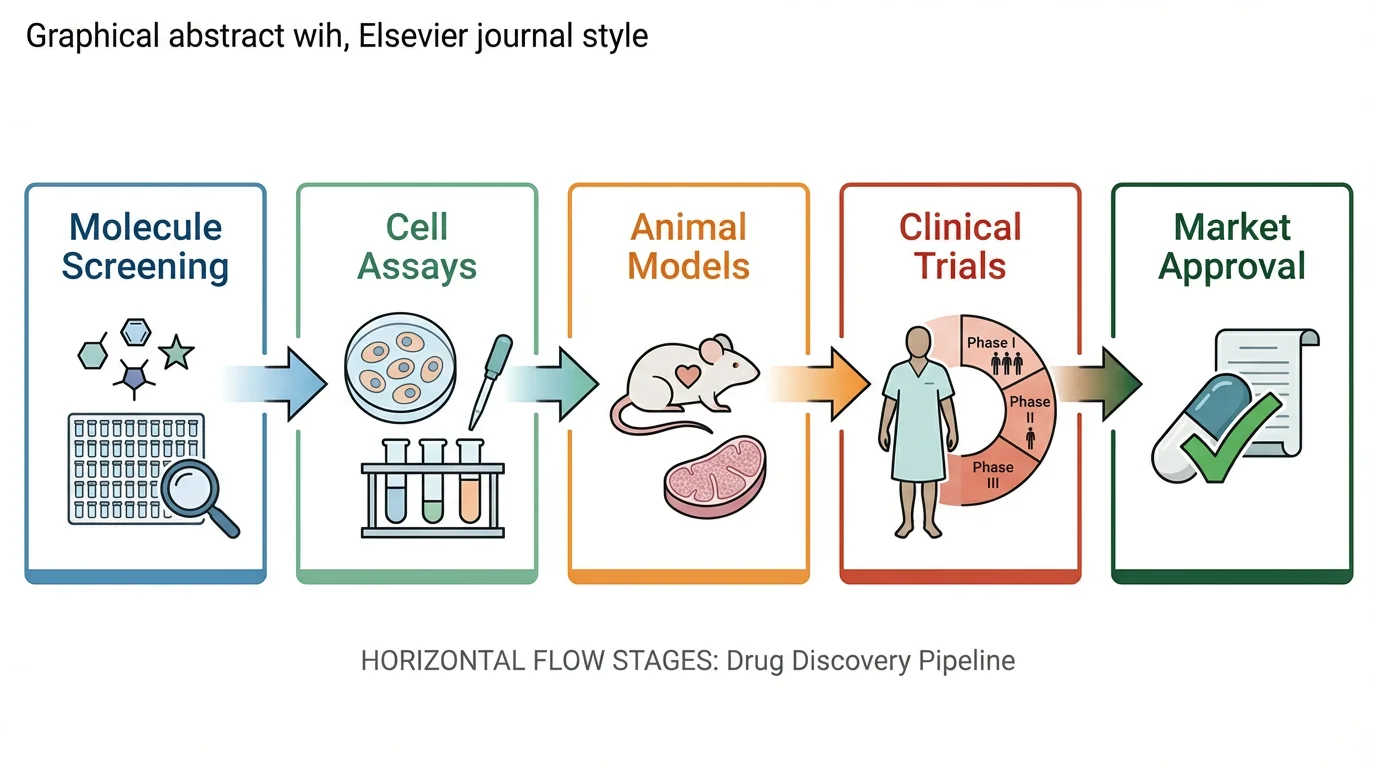
Graphical Abstract Maker
Turn your research into a polished graphical abstract for journals and posters.