AI Scientific Image Generator for Papers, Slides & Posters
A free AI scientific image generator. Describe the figure you need — a molecule, a cell, an experiment, a galaxy — and get a clean, publication-style scientific illustration for papers, slides, posters, and teaching in seconds.
Scientific Image Generator
Preview is free on this page ·
Your AI scientific image will appear here
AI-generated illustration — review for accuracy before teaching or publication
Scientific Image Examples
AI-generated figures across biology, chemistry, physics, earth science, and astronomy
Molecular Structure
Ball-and-stick molecules with color-coded atoms — useful for chemistry slides and figures.
Cell Biology Illustration
A labeled cell cross-section in textbook style — great for biology teaching and posters.
Physics Experiment Setup
A clean technical diagram of an apparatus, with the light path and components drawn in.
Astronomy Concept
An astrophysics concept rendered as a presentation-ready illustration on a space background.
Geological Cross-Section
Layered strata, faults, and intrusions in standard geology colors for earth-science material.
Neuroscience Diagram
Neurons and synapses with signal flow — a clear figure for neuroscience presentations.
What is an AI scientific image generator?
An AI scientific image generator turns a text description into a science illustration — a molecule, a cell, an experimental setup, a planetary system, a geological cross-section. Instead of building a figure by hand in vector software or hunting for a stock image with the right license, you describe what you want in plain English and the tool generates it for you. It is built for the visuals that fill papers, lecture slides, conference posters, and study guides, across biology, chemistry, physics, earth science, and astronomy.
What you can make with it
- Biology: cell cross-sections, organ diagrams, anatomy, microbes, and ecological processes.
- Chemistry: molecular structures, reaction concepts, lab apparatus, and atomic models.
- Physics: experiment setups, force and circuit diagrams, optics, and wave concepts.
- Earth science: geological cross-sections, the rock and water cycles, and weather systems.
- Astronomy: planets and orbits, star systems, and other astrophysics concepts.
- Teaching and outreach: poster art, slide visuals, worksheet figures, and explainer graphics.
How to generate a scientific image
- Describe the figure you want in plain English — name the subject, the key parts, and the style (for example, "labeled," "textbook," or "3D").
- Pick an aspect ratio: square for a single figure, landscape for slides, or portrait for a poster panel.
- Generate the image and review it for accuracy against what you actually want to show.
- Refine the prompt and regenerate until the composition and details are right, then download the result.
Tips for accurate, useful figures
The more specific your prompt, the better the result. Name the exact structures you want labeled, the colors or color scheme, the viewing angle, and the background (a white background usually reads as cleaner and more publication-ready). Asking for a "clean scientific textbook style" or "technical diagram" steers the model away from a busy, photo-realistic look. If a first pass is close but wrong in one place, change only that part of the prompt and regenerate rather than rewriting everything.
AI images are a starting point — review before you publish
These are AI-generated illustrations, not measured data or verified diagrams. The model can place a label imprecisely, miscount a structure, or invent detail that looks plausible but is not correct. For teaching and for anything headed to publication, treat the output as a draft: check it against a reliable source, fix or relabel anything that is off, and never present a generated figure as primary data. Used this way, it is a fast way to get a strong first draft of a visual that you then verify.
Is the AI scientific image generator free?
Yes — you can describe a figure and generate scientific images for free, with no design software and no stock-photo subscription. It works in the browser, so it is handy for students, teachers, and researchers who need a quick, presentable visual for a slide, a poster, a worksheet, or a paper draft without starting from a blank canvas.
Frequently Asked Questions
Related Science Tools
 Research
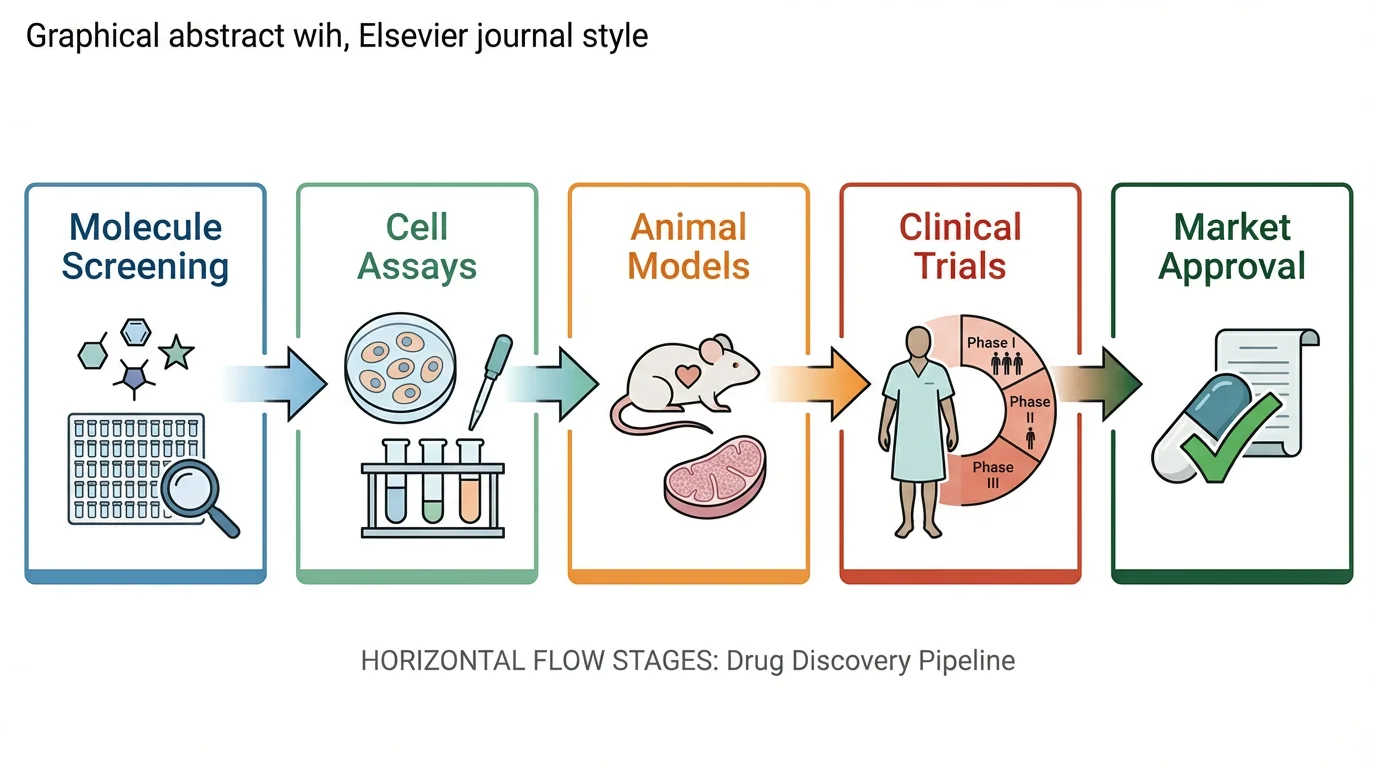
Graphical Abstract Maker
Turn your study into a clear graphical abstract for journals and presentations.
 Research
Scientific Poster Generator
Lay out a polished research poster with sections, figures, and a clean structure.
 Research
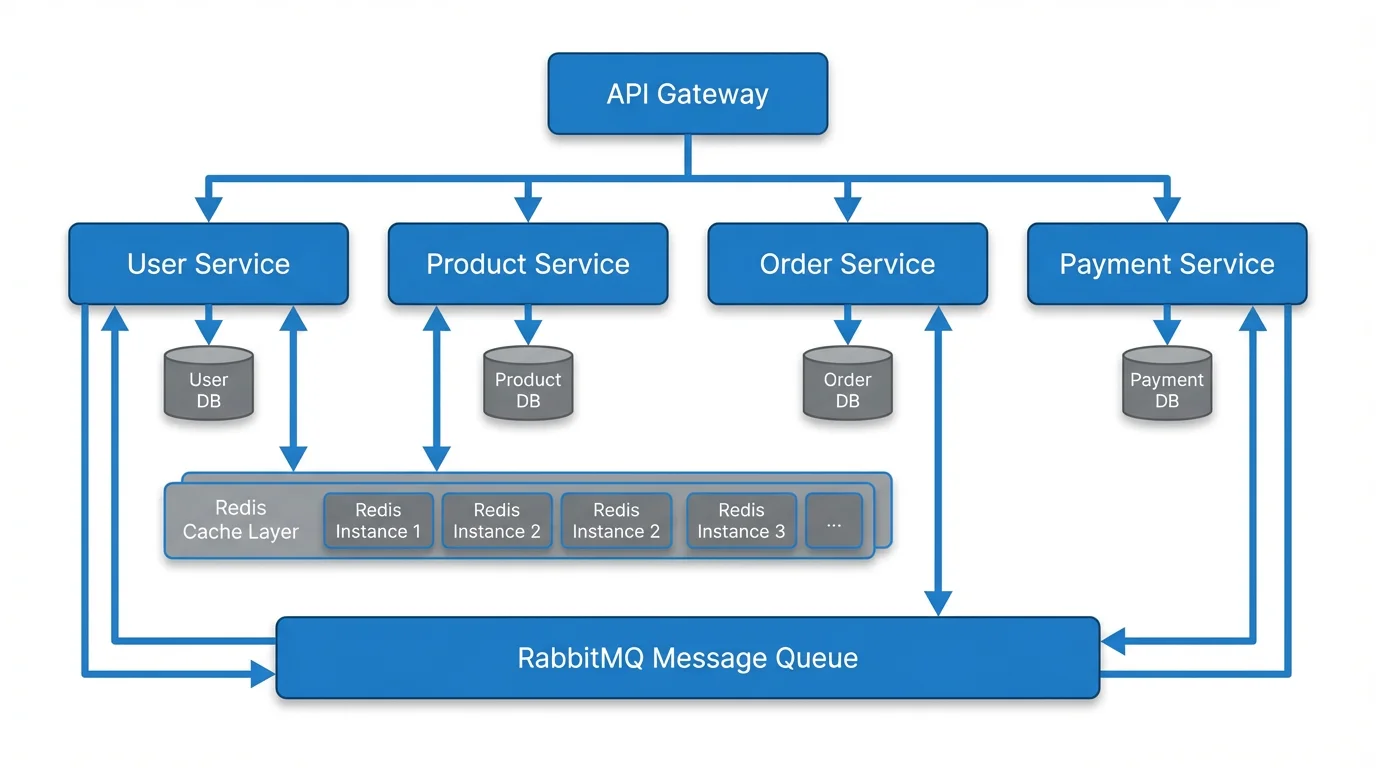
Text to Diagram Generator
Generate flowcharts, architecture, and process diagrams straight from a description.