Foot Bones Diagram
Free foot bones diagrams: labeled tarsals, metatarsals, and phalanges, blank worksheet, simple version, and coloring page. Printable; free download.
Free Foot Bones Diagrams
Every version below is free to view, download, and print. No sign-up.
Labeled Foot Bones (Dorsal View)
A top view of the right foot with the bones named: Calcaneus, Talus, Navicular, Cuboid, the Medial, Intermediate, and Lateral cuneiforms, Metatarsals, Proximal phalanges, and Distal phalanges.
Core diagrams
Structure & focus
Print & practice
Test yourself: foot bones
A quick self-test. Questions reshuffle each time.
How many bones are in a typical adult foot in classroom diagrams?
Customize this diagram
Change view, grade level, or which bones are labeled. Describe it and generate your own.
Customize Your Foot Bones Diagram
Free to try ·
Your custom diagram will appear here
Ask for dorsal, medial, three groups, blank worksheet, or simple labels
How to read the labeled dorsal view
Start with the labeled dorsal (top) view. It names Calcaneus, Talus, Navicular, Medial cuneiform, Cuboid, Intermediate cuneiform, Lateral cuneiform, Metatarsals, Proximal phalanges, and Distal phalanges. Calcaneus is the heel; Talus is at the ankle; Navicular is on the medial side; Cuboid is on the lateral side; the three cuneiforms sit in a row. Distal to those, Metatarsals are labeled as a group so the figure stays at ten names. The toes are labeled Proximal phalanges and Distal phalanges; middle phalanges are not a separate name on this view. Follow every leader line to the bone, not to a neighboring one.
Three groups, then the seven tarsals
The three-group figure labels Tarsals, Metatarsals, and Phalanges as three color groups. Classroom count for one adult foot is 7 tarsals, 5 metatarsals, and 14 phalanges (26 bones). Use it as a poster next to the named dorsal view. Then open the tarsal close-up when students mix up Navicular and Cuboid, or the three cuneiforms. That close-up labels Talus, Calcaneus, Navicular, Cuboid, Medial cuneiform, Intermediate cuneiform, and Lateral cuneiform. Teach “Talus on top of Calcaneus” first; the rest of the row is easier once the ankle stack is stable.
Medial view of the arch
The medial view is a side-on chain, not a top-down map. It labels Talus, Calcaneus, Navicular, Medial cuneiform, First metatarsal, Proximal phalanx, and Distal phalanx. That is the medial arch you stand on. Print it beside the dorsal view so students can find Calcaneus and Talus in both orientations. Cuboid and Lateral cuneiform are not on this inside view; they belong on the dorsal map and the tarsal close-up.
Simple diagram, blank sheet, and coloring page
The simple diagram labels Tarsals, Metatarsals, and Phalanges as colored groups. That is the right first slide for middle school or for a warm-up before a lab. The blank worksheet matches the ten-label dorsal view: same leader-line geometry, numbers 1 to 10, no words. Project the labeled dorsal view, hide it, and give students five minutes on the blank sheet. The coloring page is an outline dorsal foot with no text. Ask the class to color the three groups in three colors, then compare their page with the three-group figure.
How to use these files in class
A reliable sequence is simple three-group diagram, labeled dorsal view, color-group counts, tarsal close-up, medial arch, then the blank dorsal sheet. Homework can be the coloring page plus the blank sheet on the reverse. All files are free to view, download, and print. Drop the dorsal view into slides, or print letter or A4. This page is a foot close-up. Pair it with the hand-bones pack when you teach both limbs, and with the skull pack when the unit is “named bones of the body.” Keep each download set on its own page so labels stay at or under ten per figure.
Hand, foot, and full skeleton
Searchers looking for a foot bones diagram want this close-up, not a full skeleton. Carpals are wrist bones; tarsals are ankle and rearfoot bones. Metacarpals are palm; metatarsals are midfoot. Phalanges are fingers and toes, with the thumb and hallux each having two instead of three. Use the skeletal-system generator for the whole body, then return here for the 26 foot bones. That hub-and-spoke split keeps each query on the page that actually answers it.
Frequently Asked Questions
Related Anatomy Tools
 Biology
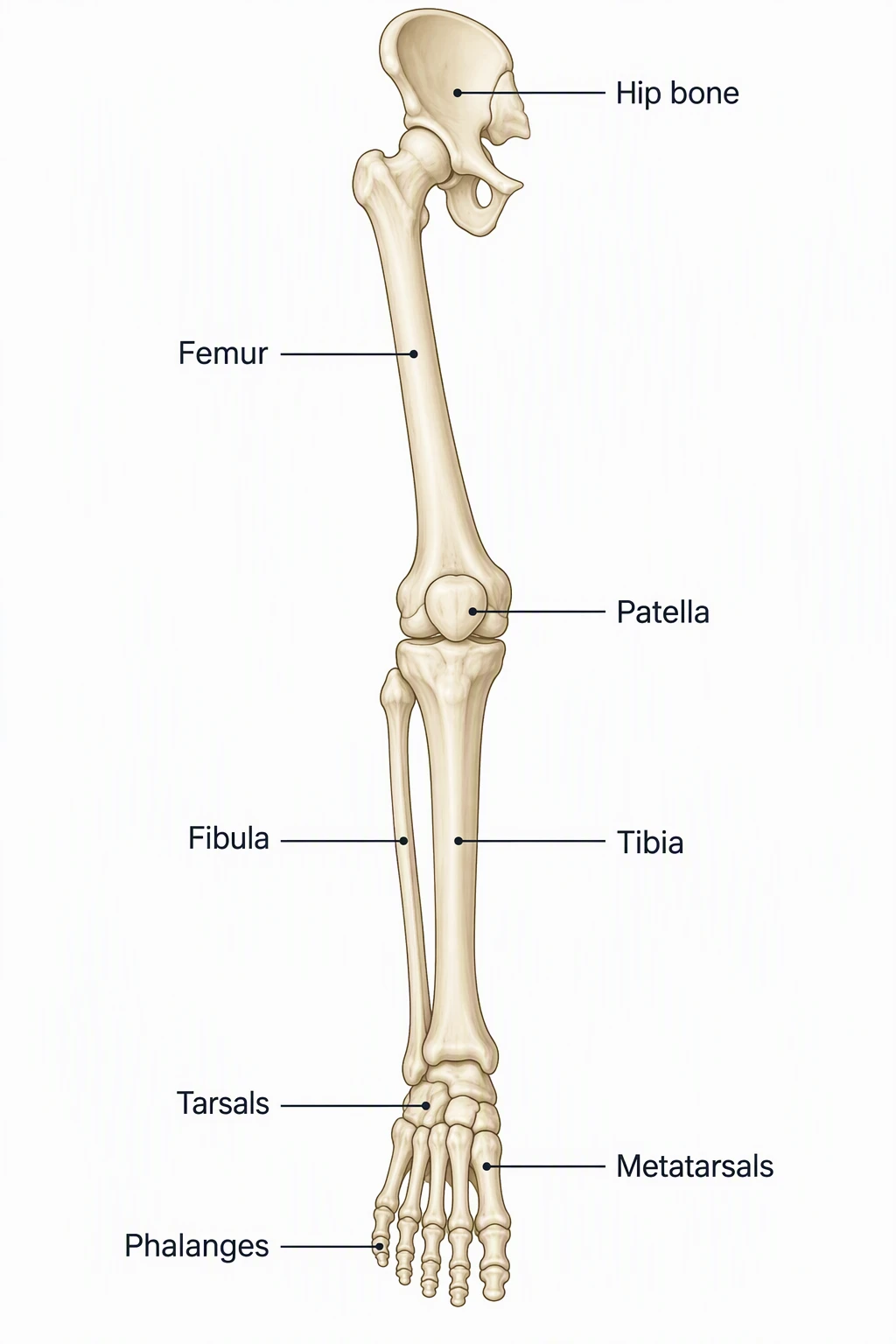
Bones of the Leg Diagram
Labeled and blank leg skeleton diagrams: femur, patella, tibia, fibula, and foot groups.
 Medical
Hand Bones Diagram
Free labeled carpals, metacarpals, and phalanges.
 Medical
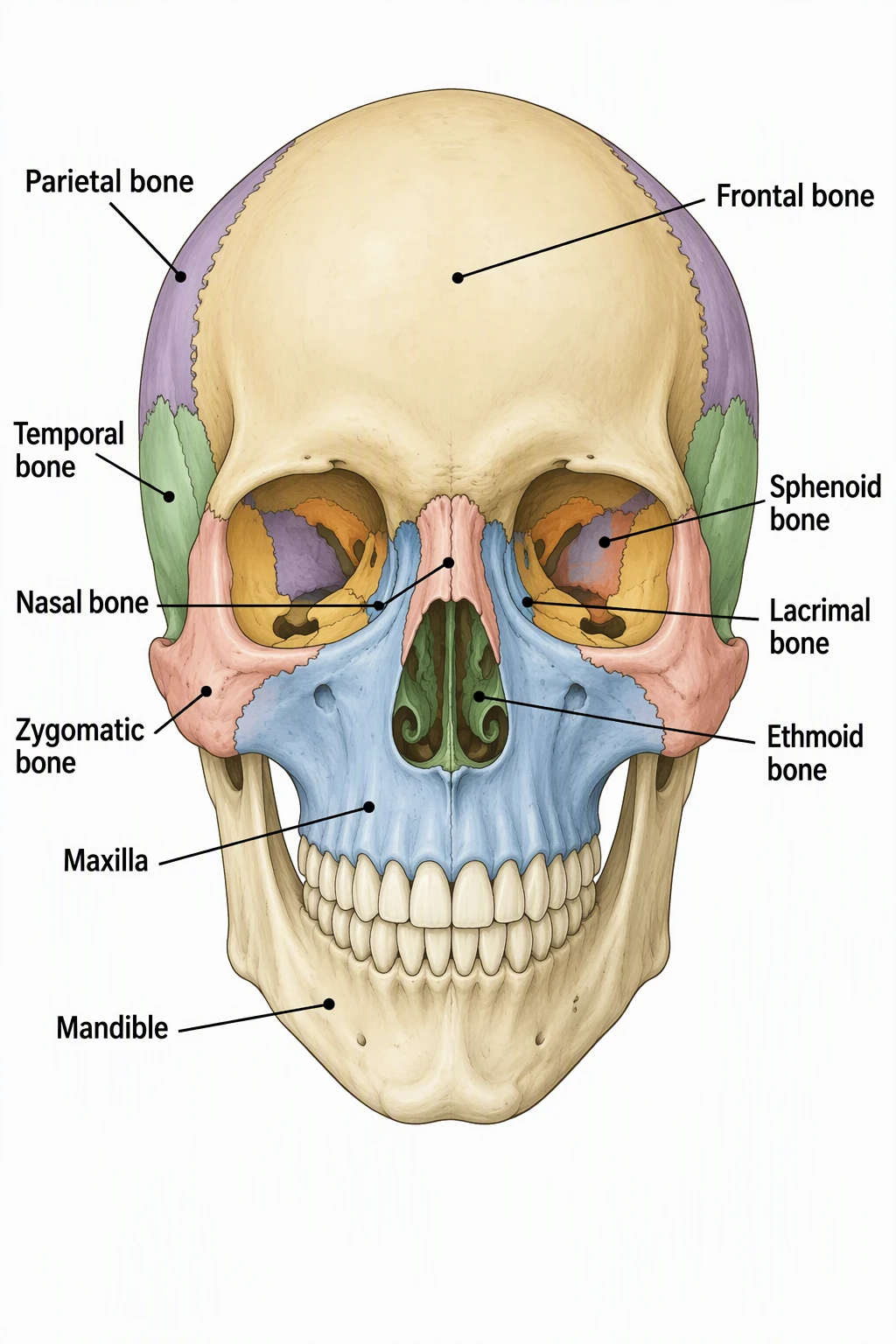
Skull Diagram
Free labeled anterior and lateral skull views.
 Biology
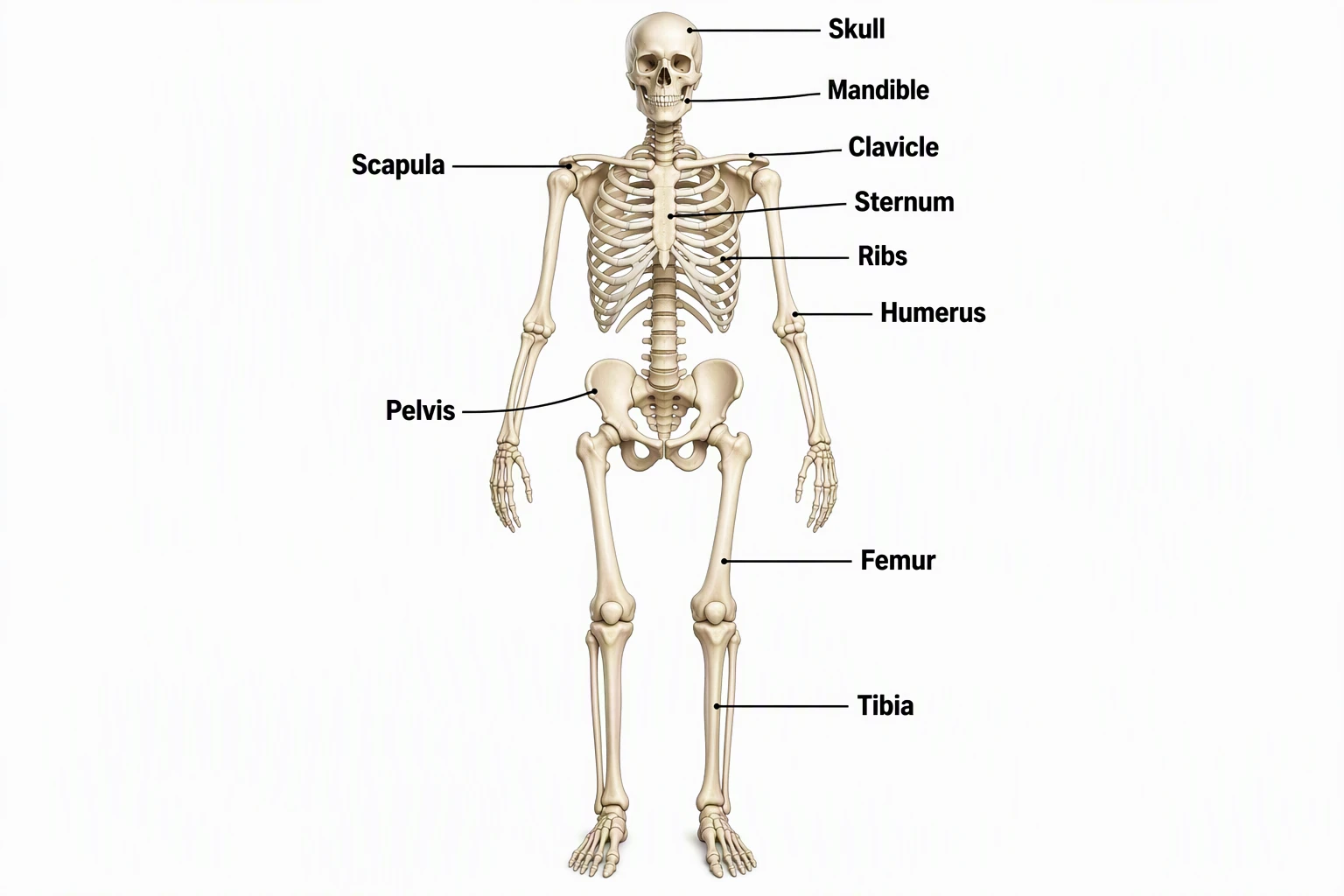
Skeletal System Diagram Generator
Full-body skeleton maps; zoom here for the foot.
 Medical
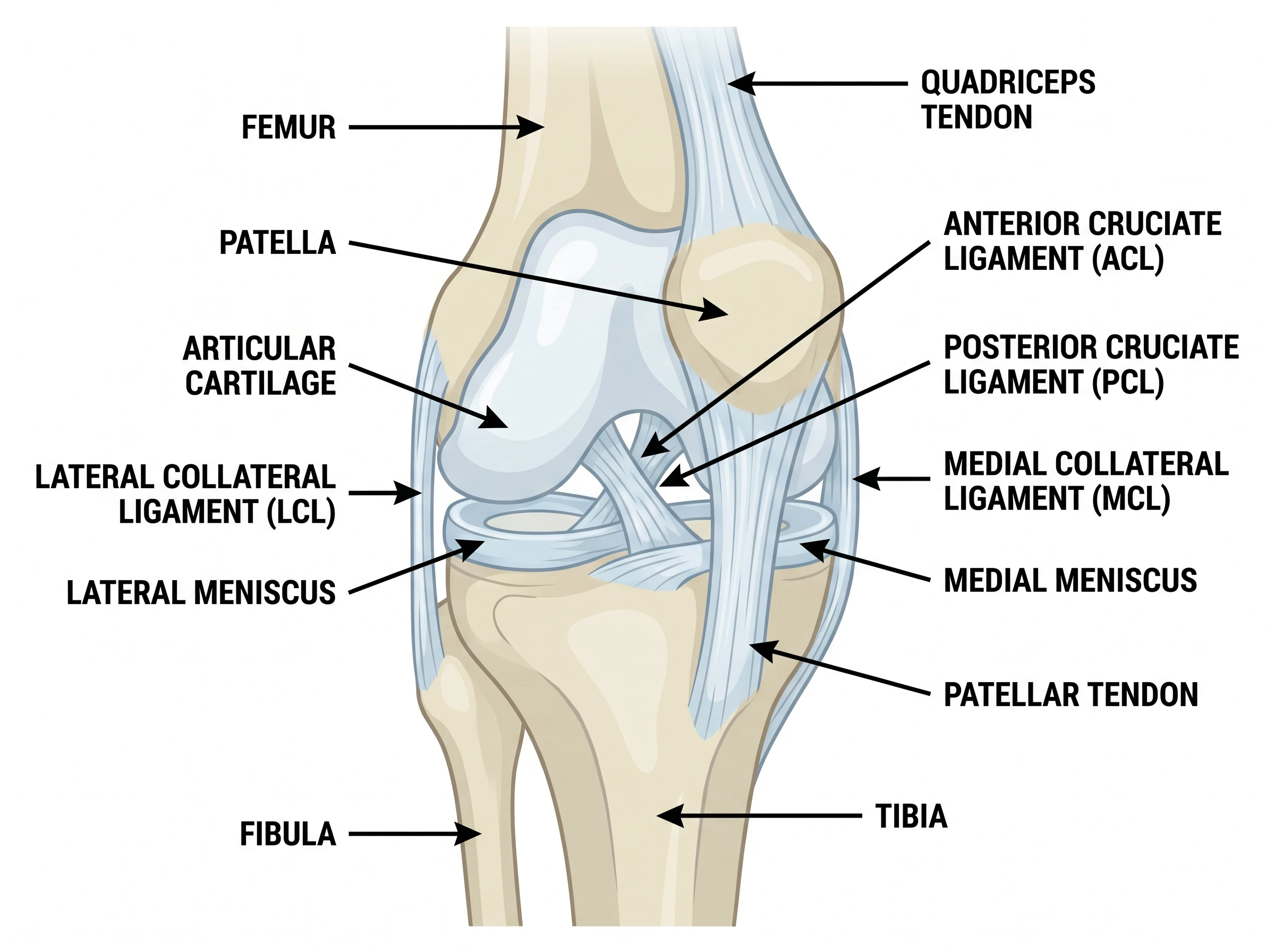
Knee Anatomy Diagram Generator
Joint close-up on the same limb as the foot.
 Biology
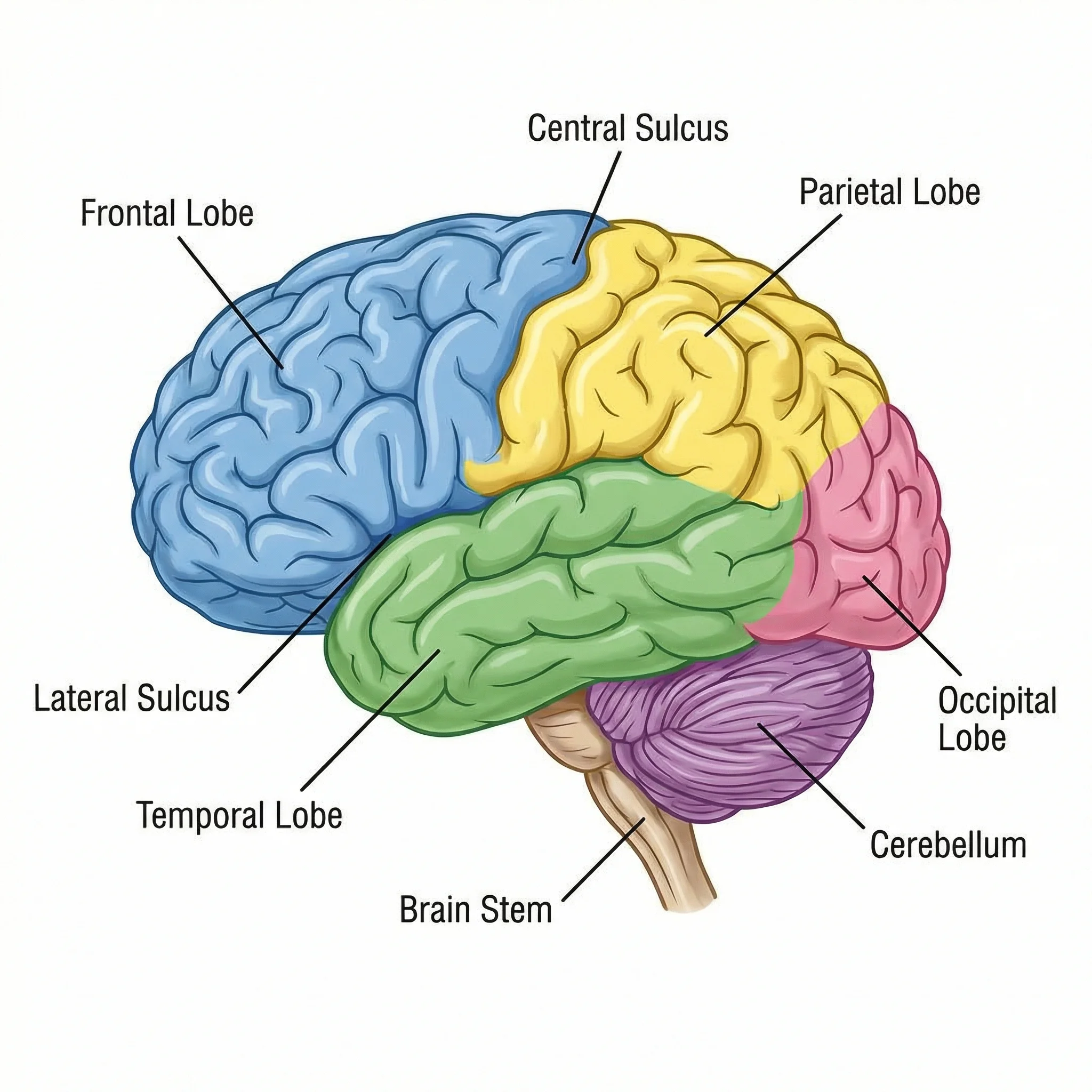
Brain Diagram Generator
Head anatomy that pairs with a named-bones unit.
 Biology
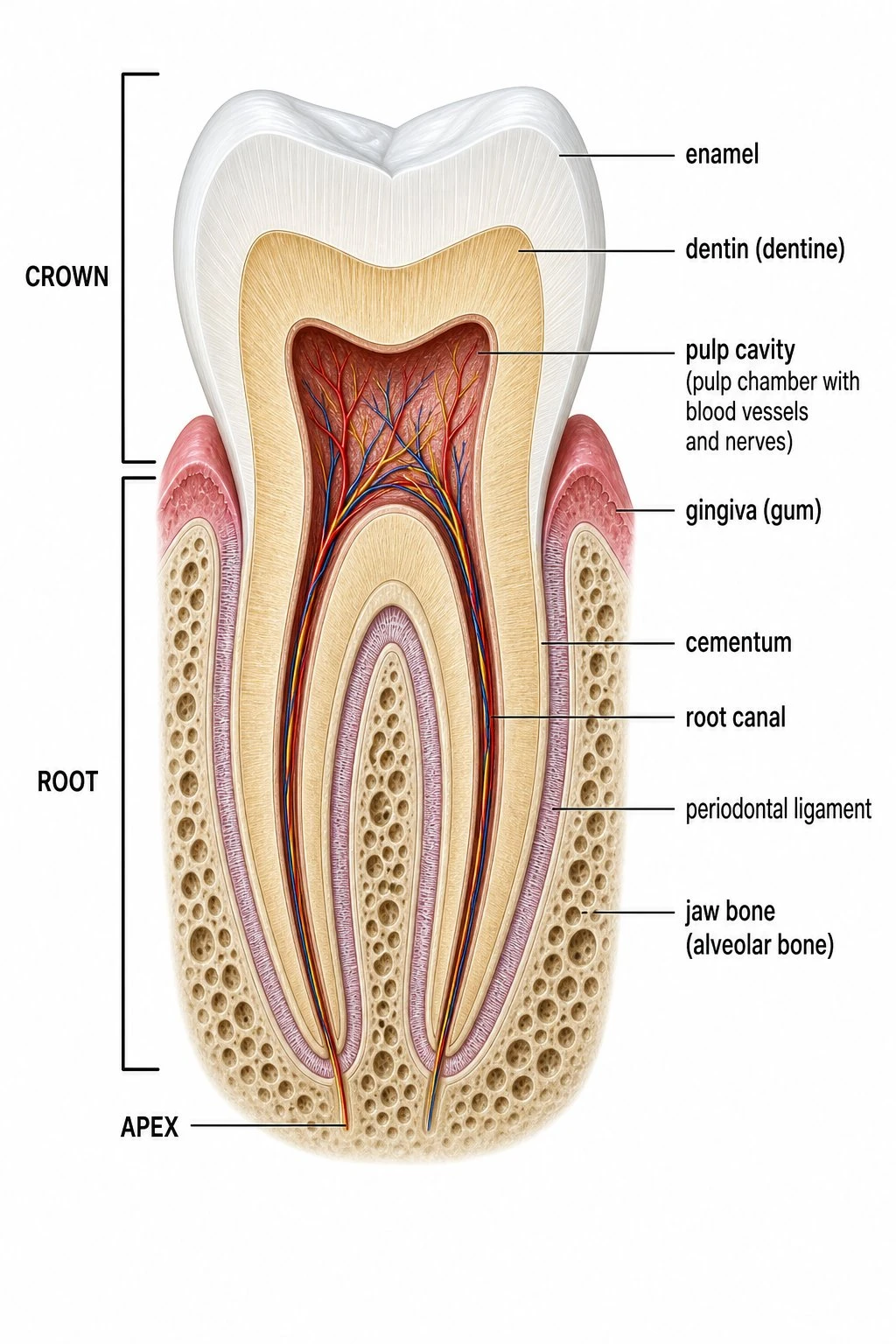
Tooth Diagram
Another close-up bone-and-tissue pack for anatomy week.