Bones of the Arm Diagram
Free arm bones diagrams: labeled bones of the arm, blank worksheet, simple version, and coloring page. Printable; free download.
Free Bones of the Arm Diagrams
Every version below is free to view, download, and print. No sign-up.
Labeled Bones of the Arm
A right upper limb in anatomical position (palm facing forward) with the bones named: Clavicle, Scapula, Humerus, Radius, Ulna, Carpals, Metacarpals, and Phalanges. Thumb and radius are on the left of the figure; scapula is medial.
Core diagrams
Structure & focus
Print & practice
Test yourself: bones of the arm
A quick self-test. Questions reshuffle each time.
One adult upper limb, not counting the girdle, has:
Customize this diagram
Change view, grade level, or which bones are labeled. Describe it and generate your own.
Customize Your Arm Bones Diagram
Free to try ·
Your custom diagram will appear here
Ask for labeled overview, blank worksheet, humerus landmarks, or simple labels
How to read the labeled bones of the arm
Start with the labeled overview. It names Clavicle, Scapula, Humerus, Radius, Ulna, Carpals, Metacarpals, and Phalanges on a right upper limb in anatomical position: palm facing forward, thumb and radius on the left of the figure, scapula medial. Radius sits on the thumb side and Ulna on the pinky side. Clavicle and Scapula are pectoral girdle bones at the top of the figure. Distal to the elbow, Carpals, Metacarpals, and Phalanges are labeled as groups so the map stays at eight names. Follow every leader line to the bone it names, not to a neighbor. Keep this print on the desk while the class opens the close-ups.
What “bones of the arm” means in class
In anatomy class, “bones of the arm” usually means the whole upper limb, not only the humerus. Classroom count for one side is 30 free bones: humerus, radius, ulna, 8 carpals, 5 metacarpals, and 14 phalanges. Scapula and Clavicle belong to the pectoral girdle; they appear on the labeled overview so students can see where the limb hangs, but they are not added into that 30. Say this out loud once when you project the figure, or students will mix girdle bones with free limb bones. Pair the overview with the hand bones page when you need carpals named one by one.
Humerus landmarks and the forearm
The anterior humerus figure names Head of humerus, Greater tubercle, Lesser tubercle, Surgical neck, Shaft of humerus, Lateral epicondyle, Medial epicondyle, Capitulum, and Trochlea. Head of humerus is proximal; Capitulum and Trochlea are the distal articular surfaces. The forearm figure then names Head of radius, Radial tuberosity, Radius, Interosseous membrane, Radial styloid process, Coronoid process, Ulna, and Ulnar styloid process. Head of radius is proximal; the two styloid processes are distal. Print the two close-ups on one sheet so students can match Lateral epicondyle on the humerus with Head of radius on the forearm.
Lateral elbow view
The lateral elbow figure is a side-on joint, not a full limb map. It names Humerus, Lateral epicondyle, Head of radius, Radius, Olecranon, and Ulna. Olecranon is the proximal ulna you feel as the point of the elbow. Head of radius is the disk under the capitulum of the humerus (Capitulum is named on the anterior humerus figure, not on this lateral view). Lateral epicondyle is the same landmark as on the anterior humerus figure, seen from the side. Use this view after the two close-ups, so students already know the three long bones before they look at the joint.
Simple diagram, blank sheet, and coloring page
The simple diagram labels Humerus, Radius, Ulna, and Hand bones in large type. Scapula and clavicle are drawn but not labeled. That is the right first slide for middle school or for a warm-up before a lab. The blank worksheet matches the eight-name overview: same leader-line geometry, numbers 1 to 8, no words. Project the labeled overview, hide it, and give students five minutes on the blank sheet. The coloring page is the same overview in black-and-white outline, still labeled Clavicle, Scapula, Humerus, Radius, Ulna, Carpals, Metacarpals, and Phalanges. Ask the class to color girdle, arm, forearm, and hand in four colors, then compare with the labeled view.
How to use these files in class
A reliable sequence is simple four-name diagram, labeled overview, humerus landmarks, radius-ulna, lateral elbow, then the blank sheet. Homework can be the coloring page plus the blank sheet on the reverse. All files are free to view, download, and print. Drop the labeled overview into slides, or print letter or A4. This page is an upper-limb close-up. Use the hand bones page for named carpals, the bones of the leg page for the matching lower limb, and the skeletal system generator for the whole body. Keep each download set on its own page so labels stay short and readable.
Frequently Asked Questions
Pair this pack with the hand bones diagram for named carpals, the bones of the leg diagram for the matching lower limb, and the skeletal system diagram generator for the whole body.
Related Anatomy Tools
 Medical
Hand Bones Diagram
Free labeled carpals, metacarpals, and phalanges.
 Medical
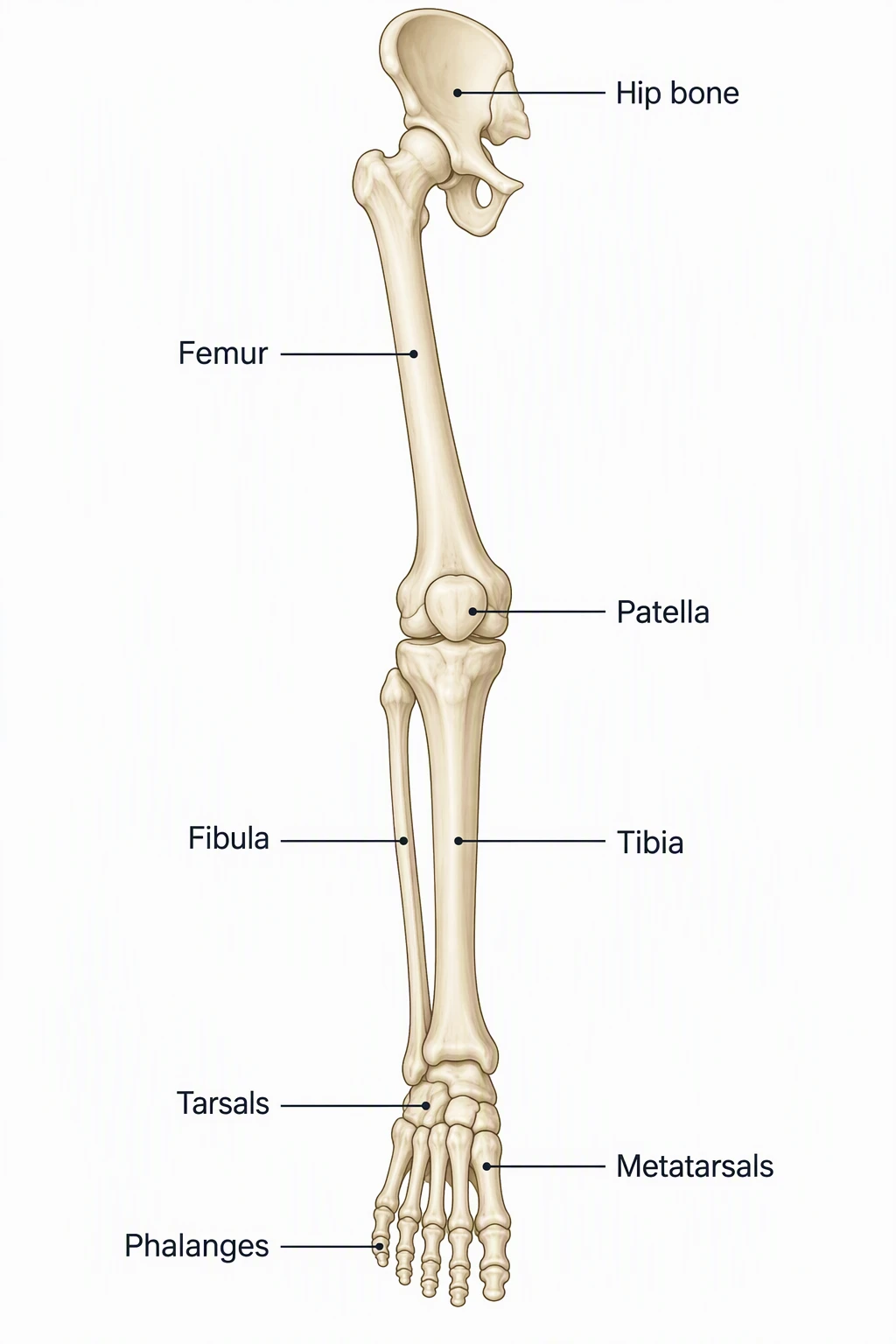
Bones of the Leg Diagram
Free labeled femur, tibia, fibula, and foot groups.
 Biology
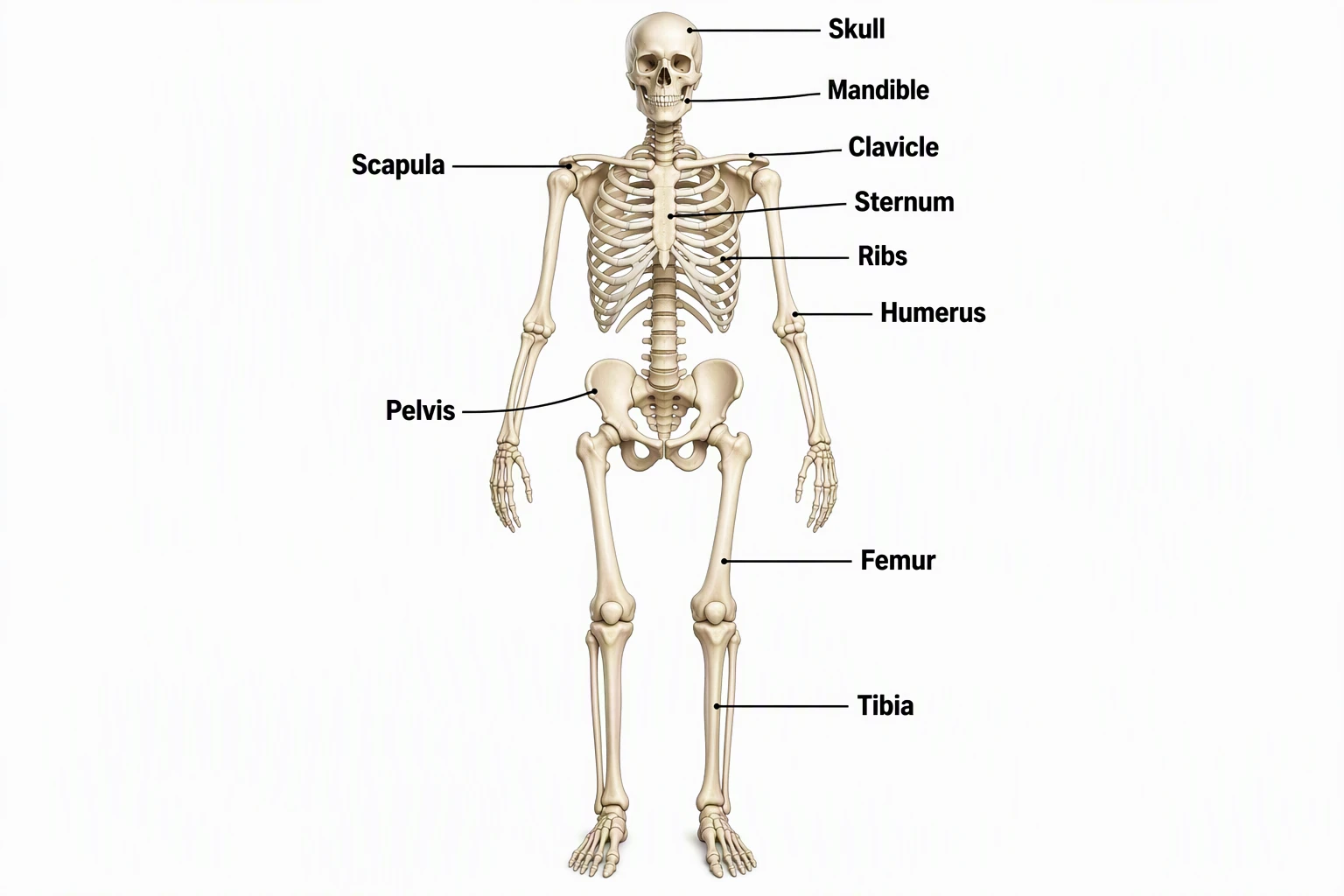
Skeletal System Diagram Generator
Full-body skeleton maps; zoom here for the arm.
 Medical
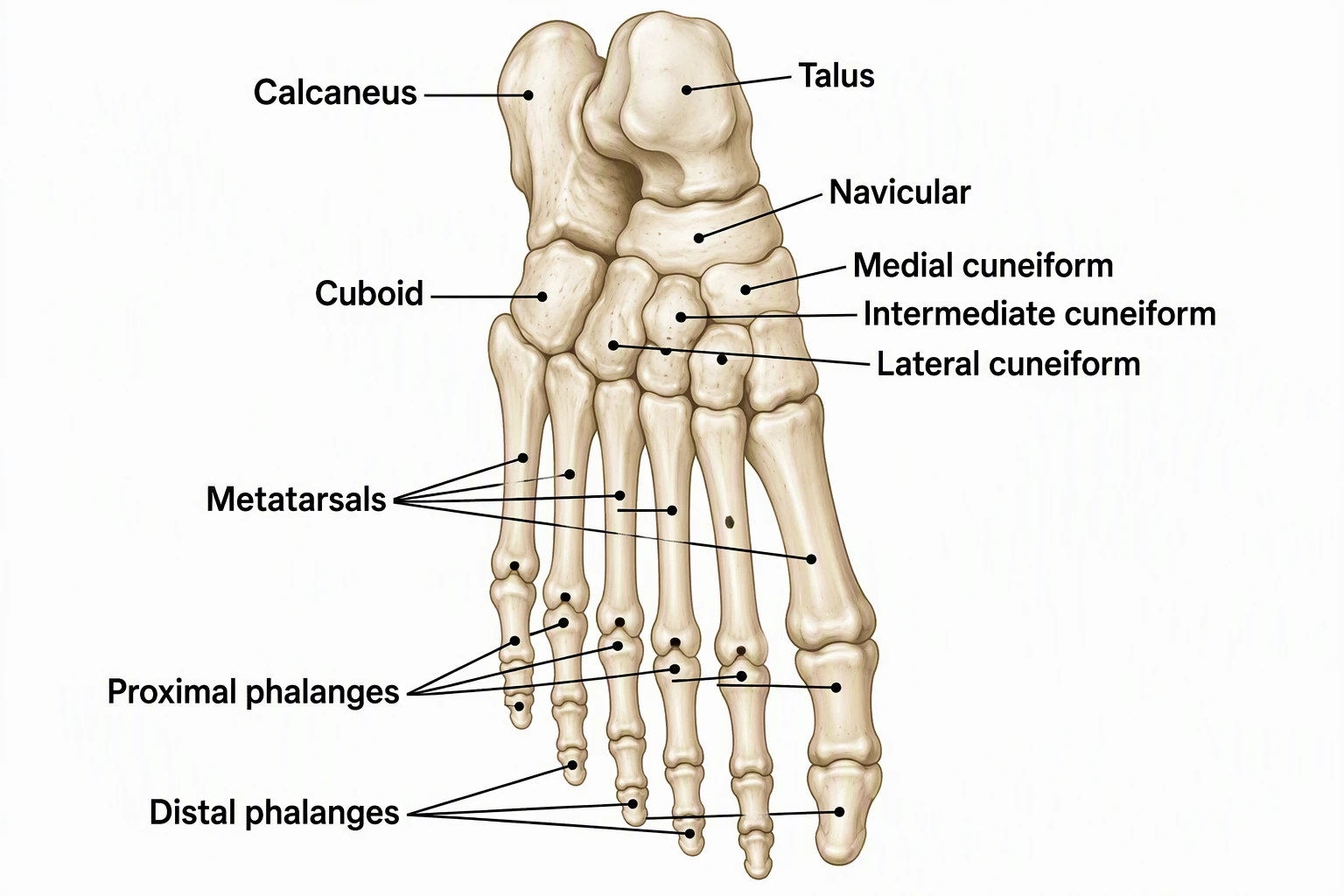
Foot Bones Diagram
Free labeled tarsals, metatarsals, and phalanges.
 Medical
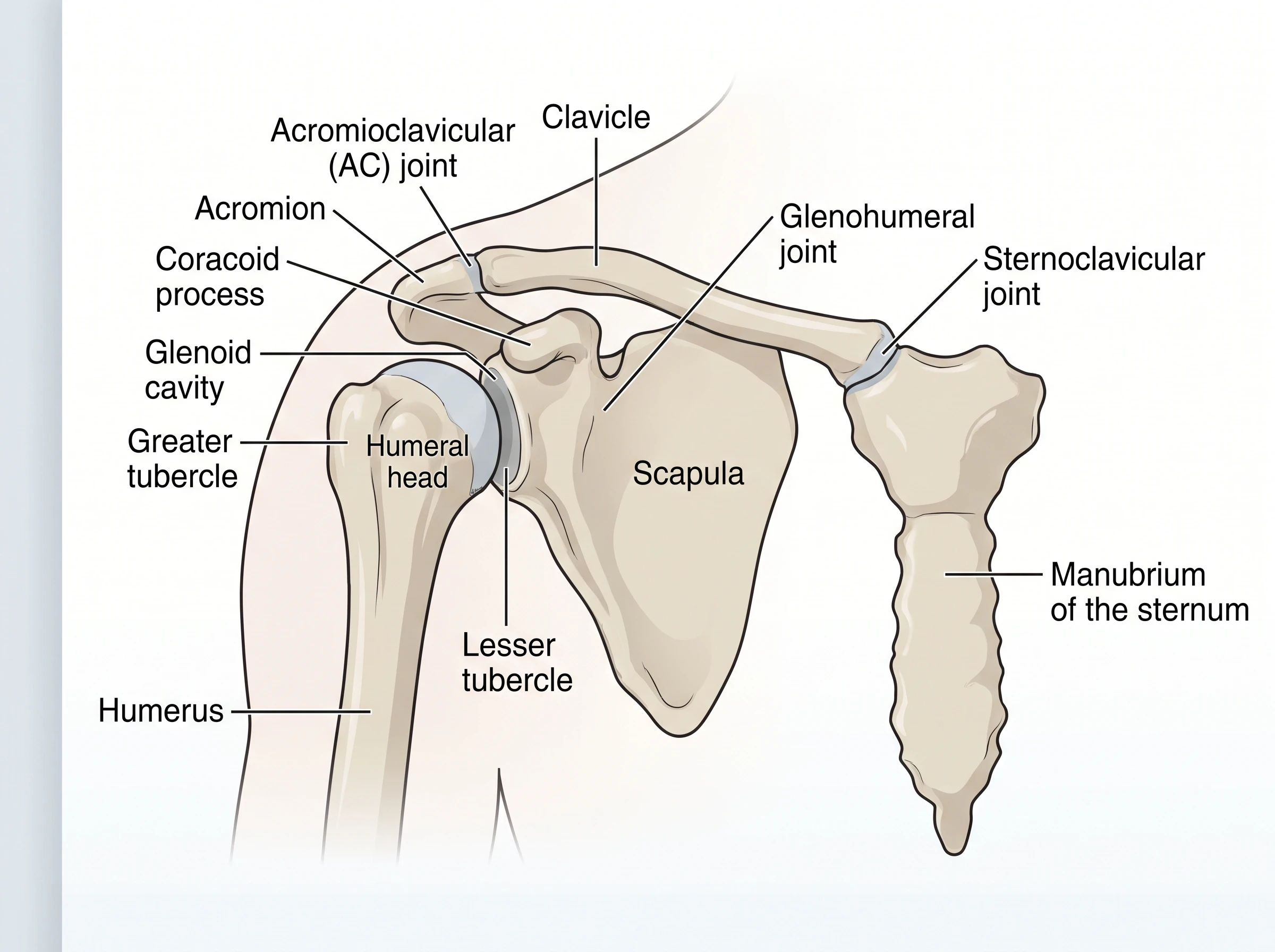
Shoulder Anatomy Diagram Generator
Joint close-up on the same girdle as the arm.
 Medical
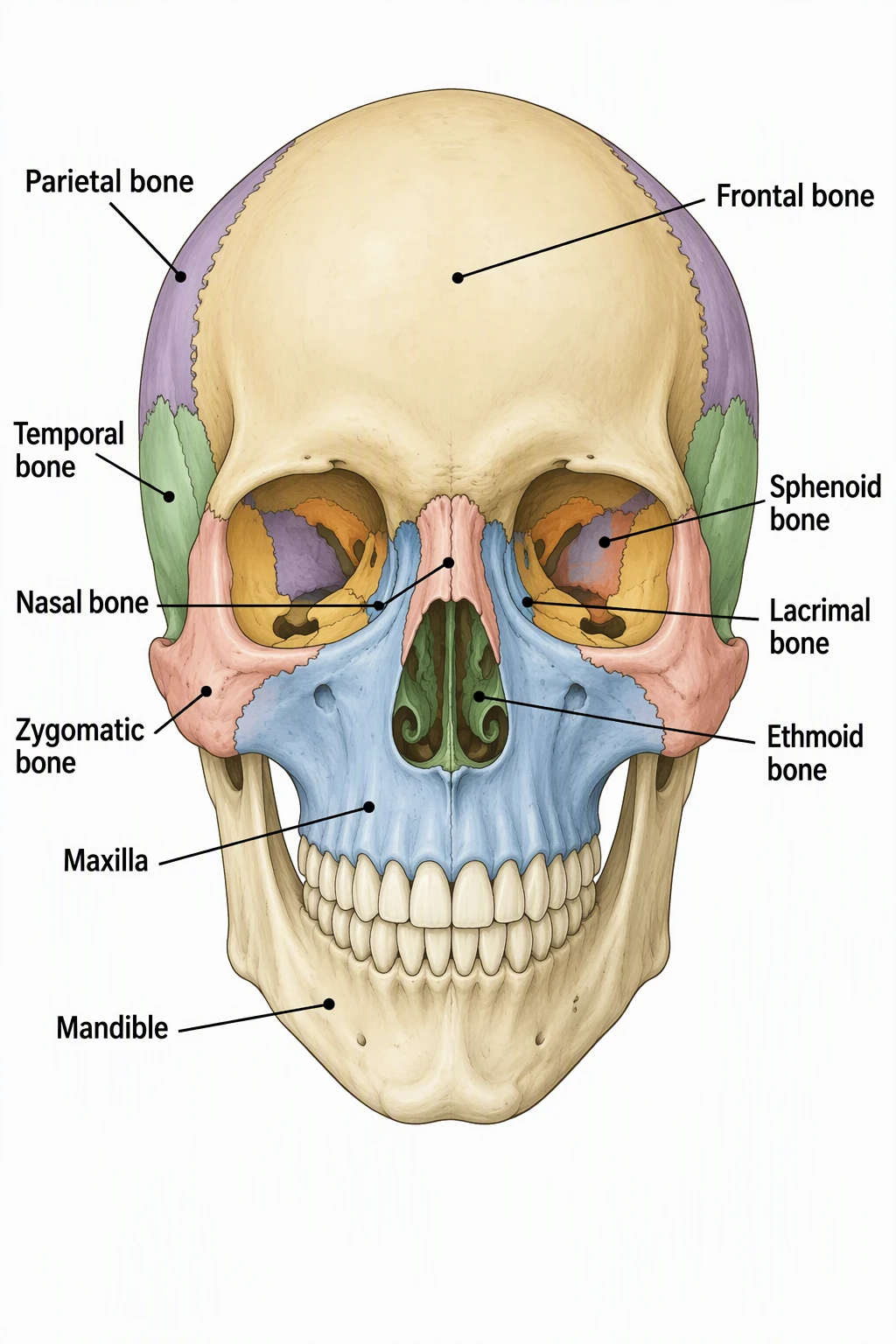
Skull Diagram
Free labeled anterior and lateral skull views.