Electron Configuration Chart of the Elements
Electron configuration chart for all 118 elements: full and noble gas notation, valence electrons, exceptions highlighted, s p d f table. Free to print.
Show
Block
Period
Paper (landscape)
Printing
Scroll sideways on small screens and click an element for its details. Red corner = exception to the filling order. Dashed border = predicted.
Click any element in the table to see its full and noble gas configuration, valence electrons, block, group and period.
Free Electron Configuration Charts
Every chart below is drawn from the same checked data as the tool above. View, download and print them free, no sign-up.
Periodic Table with Electron Configuration
Noble gas configuration in every cell, colored by block, with exceptions marked in red.
Configuration charts
Rules and exceptions
What an electron configuration chart shows
An electron configuration says how the electrons of a neutral atom are spread over its subshells, for example 1s2 2s2 2p6 3s2 3p6 3d6 4s2 for iron. Writing all of that for every element is slow, so most charts use noble gas notation: the electrons of the previous noble gas are replaced by its symbol in brackets, which gives [Ar] 3d6 4s2 for iron. This chart lists both forms for all 118 elements. The table colors each element by block (s, p, d or f), and the list shows the full configuration, the shorthand, the valence electrons, the period and the group in one row that you can search and filter.
How to read the table
- Each cell shows the atomic number, the symbol and the noble gas configuration. The number after a subshell is the number of electrons in it, so 3d6 means six electrons in the 3d subshell.
- Subshells are written in order of shell number first, so 3d comes before 4s, the same order the NIST database uses. Many textbooks write 4s before 3d instead. Both describe the same atom.
- The colors give the block: s (groups 1 and 2, plus helium), p (groups 13 to 18), d (groups 3 to 12) and f (the two rows of 14 below the table). The block follows the position in the table, with lutetium and lawrencium in group 3.
The filling order and its 20 exceptions
Most elements follow the filling order: subshells fill by increasing n + l, and by lower n when n + l is equal, which gives 1s, 2s, 2p, 3s, 3p, 4s, 3d and so on up to 7p. Twenty elements do not. They are chromium, copper, niobium, molybdenum, ruthenium, rhodium, palladium, silver, lanthanum, cerium, gadolinium, platinum, gold, actinium, thorium, protactinium, uranium, neptunium, curium and lawrencium. In each of them the measured ground state has an electron in a different subshell than the rule predicts, usually because two subshells are very close in energy, as 3d and 4s are for chromium and copper. They are marked with a red corner in the table, and the Exceptions view in the list tab and the detail card show the expected value next to the real one. Treat the rule as a good guide, not a law.
How the valence electrons are counted
Valence electrons have no single definition, so this chart states its rule. For hydrogen, helium and the main groups (1, 2 and 13 to 18) it counts the s and p electrons in the outermost shell. For groups 3 to 12 it counts the ns and (n-1)d electrons, which is why iron shows 8 and zinc shows 12, even though zinc usually acts as if it had 2. For the lanthanides and actinides it counts every electron outside the noble gas core, f electrons included, and marks the number with an asterisk because most of them use only 2 to 3 electrons in bonding. Your course may use a different convention, so check it before copying a number into homework.
Where the data comes from, and what is predicted
Configurations for elements 1 to 103 are the ground configurations in the NIST Atomic Spectra Database, checked against the Wikipedia data page for the elements, and the two sources agree. Elements 104 to 118 are shown as predicted. Rutherfordium to hassium appear in NIST with uncertain or theoretical values, and elements 109 to 118 follow relativistic calculations of the kind published by Fricke and by Hoffman, Lee and Pershina. Older tables sometimes give 6d9 7s1 for darmstadtium or 6d10 7s1 for roentgenium by analogy with platinum and gold, while the calculations favor 6d8 7s2 and 6d9 7s2. NIST lists lawrencium as 7s2 7p1, Wikipedia marks that assignment as tentative, and many textbooks still write 6d1 7s2.
Frequently Asked Questions
Related Chemistry Tools
 Chemistry
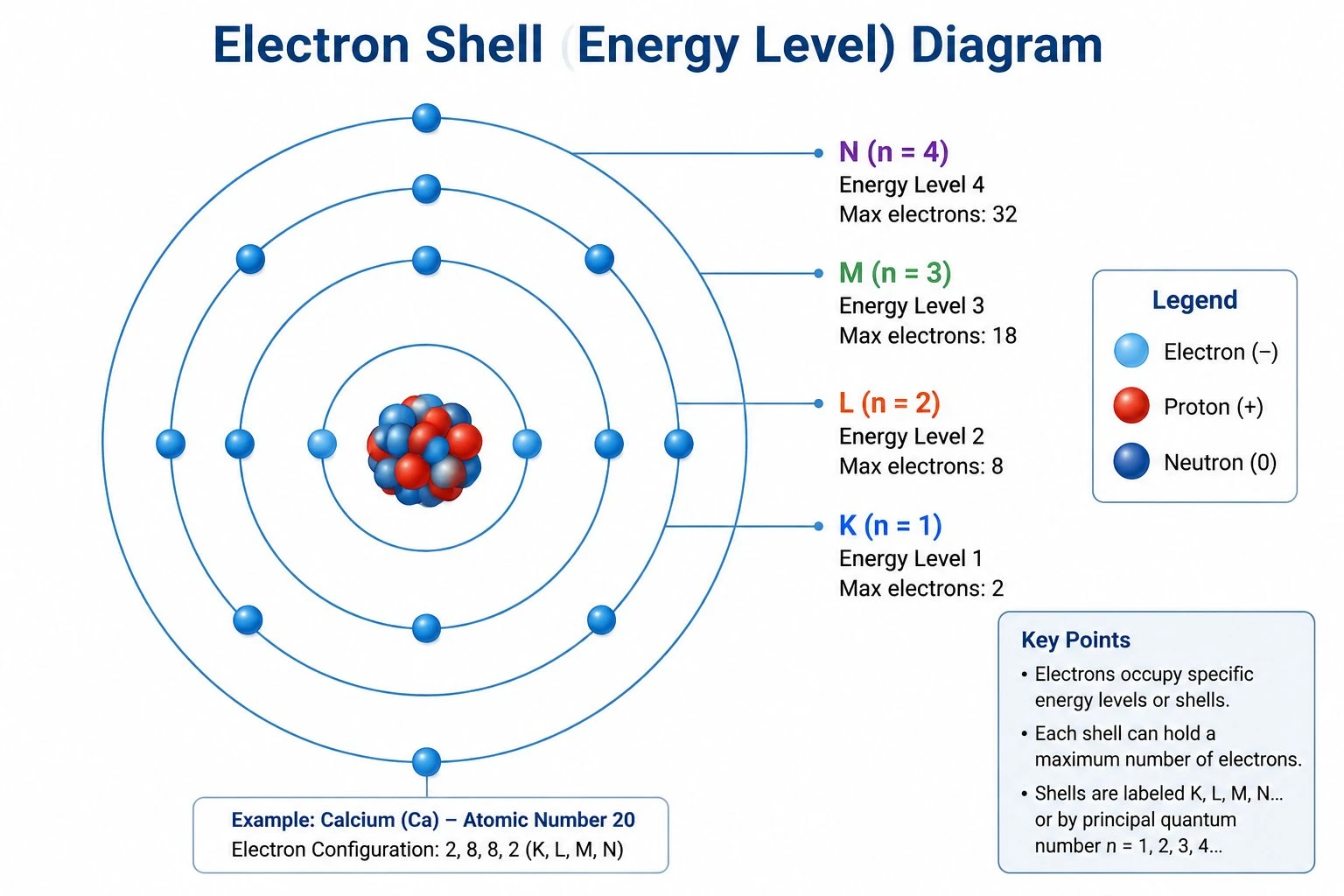
Electron Configuration Diagram Generator
Create electron shell and orbital diagrams for a single element, with AI-made visuals for slides and notes.
 Chemistry
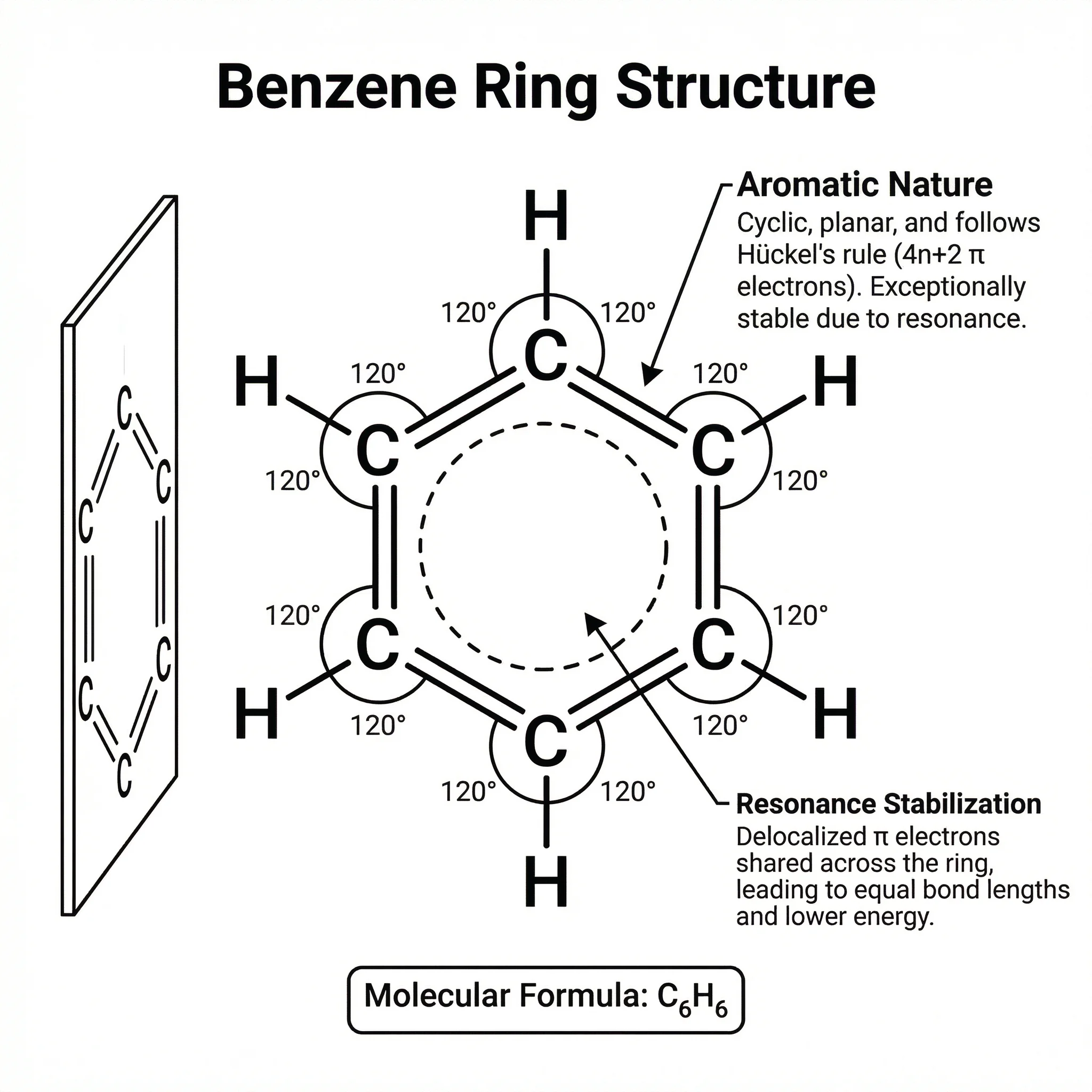
Bohr Model Maker
Create Bohr model diagrams for atoms, electron shells and valence electrons.
 Chemistry
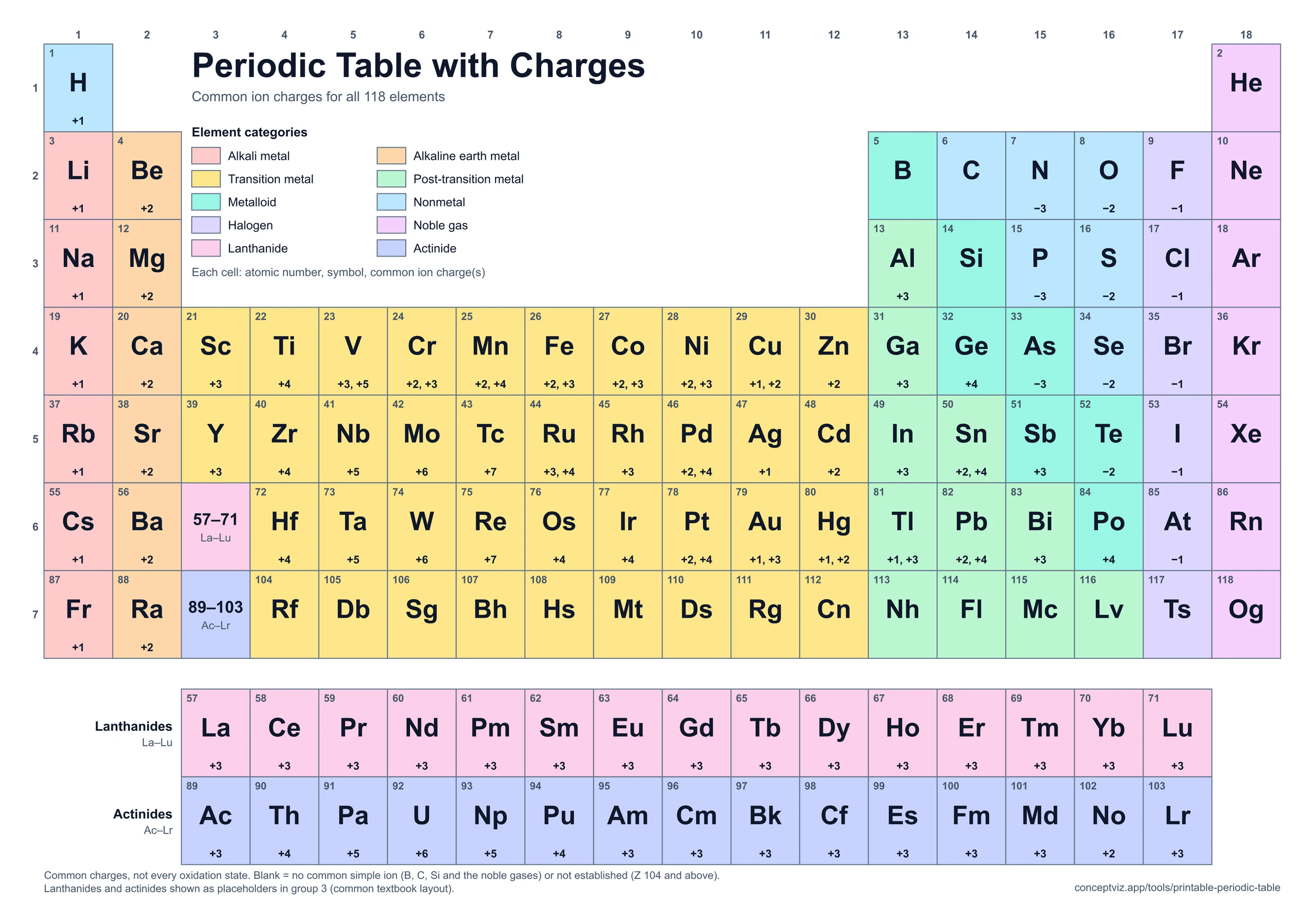
Printable Periodic Table
Periodic table with the common ion charge of every element, plus atomic mass and category versions.
 Chemistry
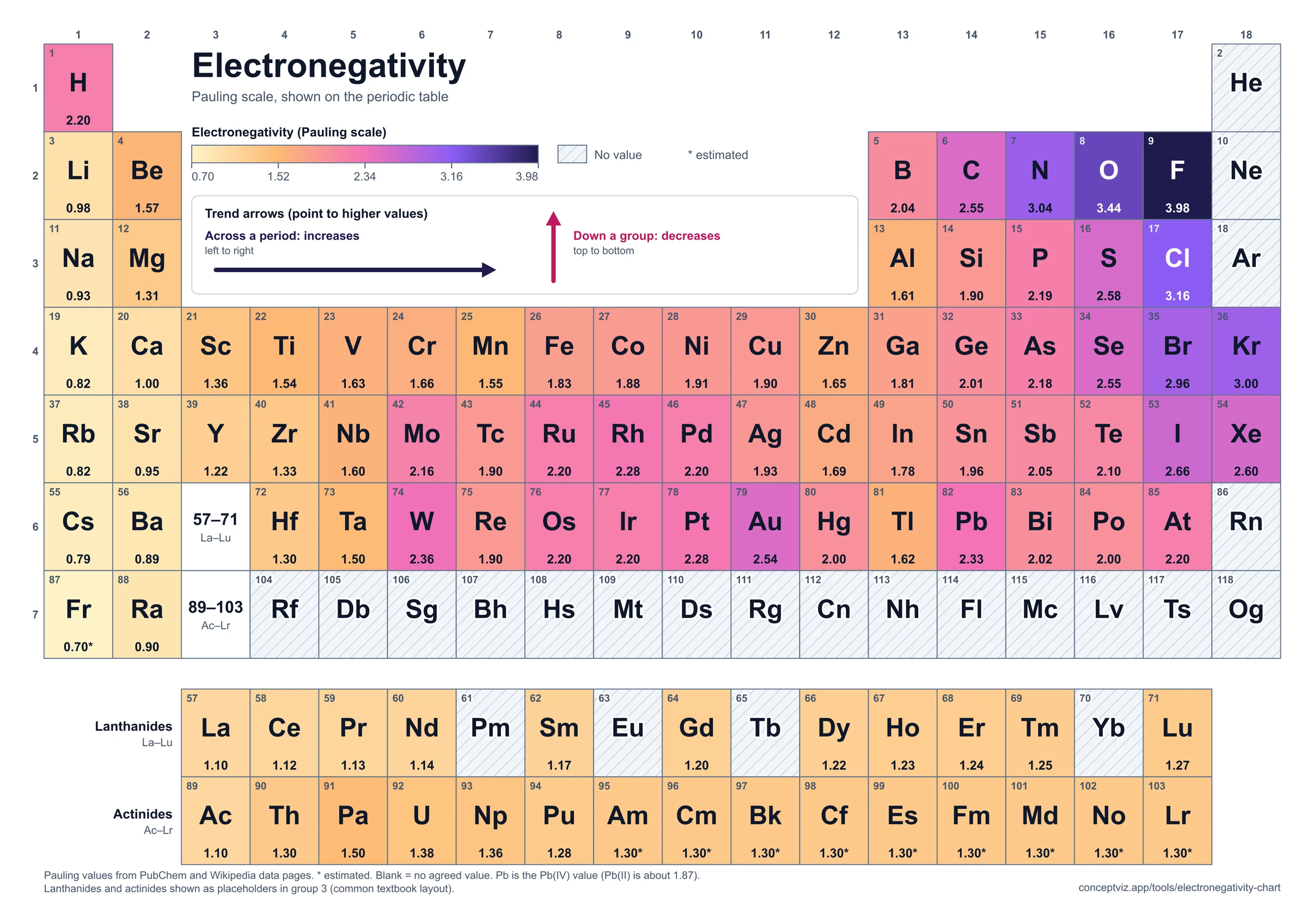
Electronegativity Chart
Periodic table heatmaps of electronegativity, atomic radius and ionization energy, with a bond type calculator.
 Science
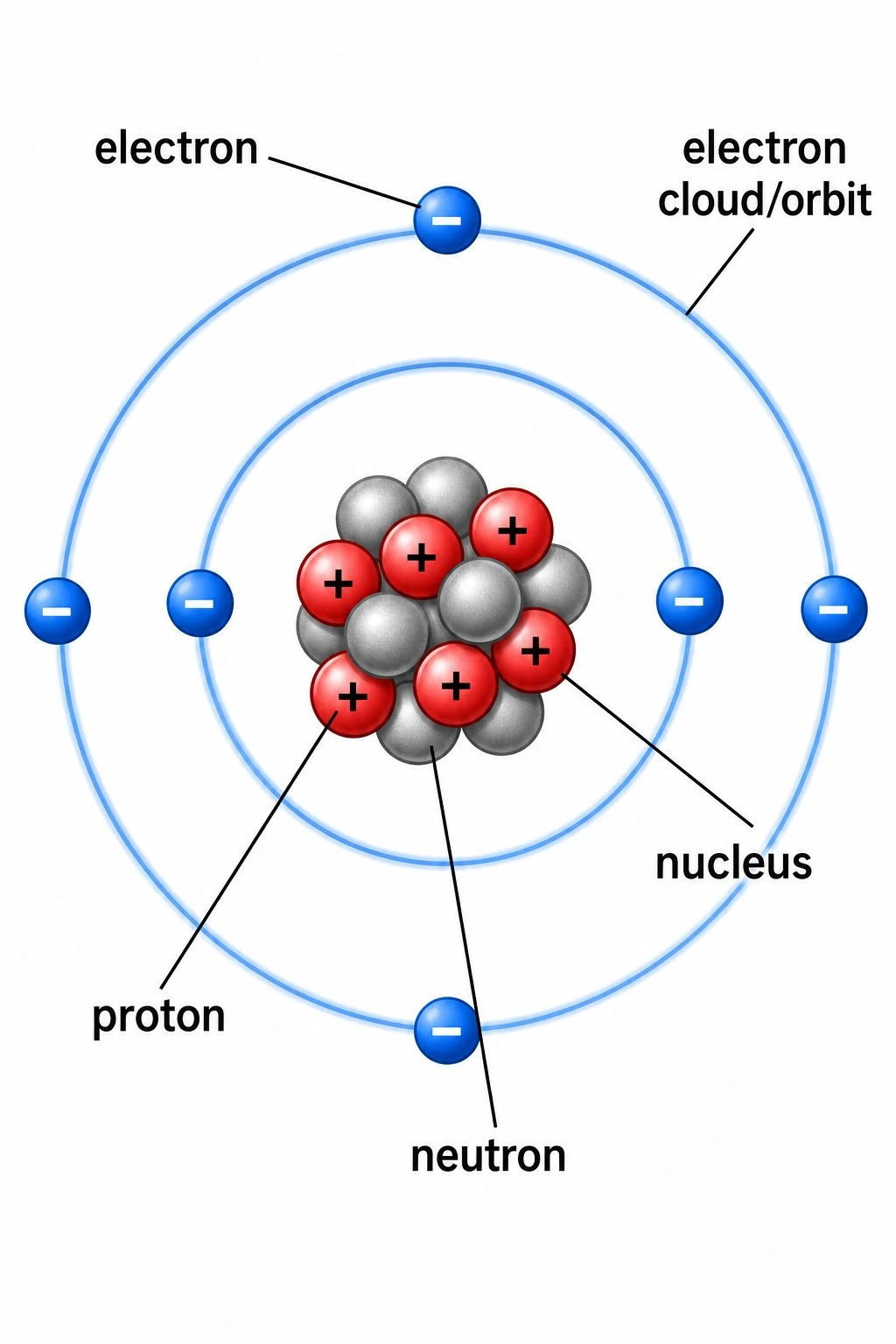
Atom Diagram
Free atom diagrams with labeled parts, particle charts and coloring pages for science class.
 Chemistry
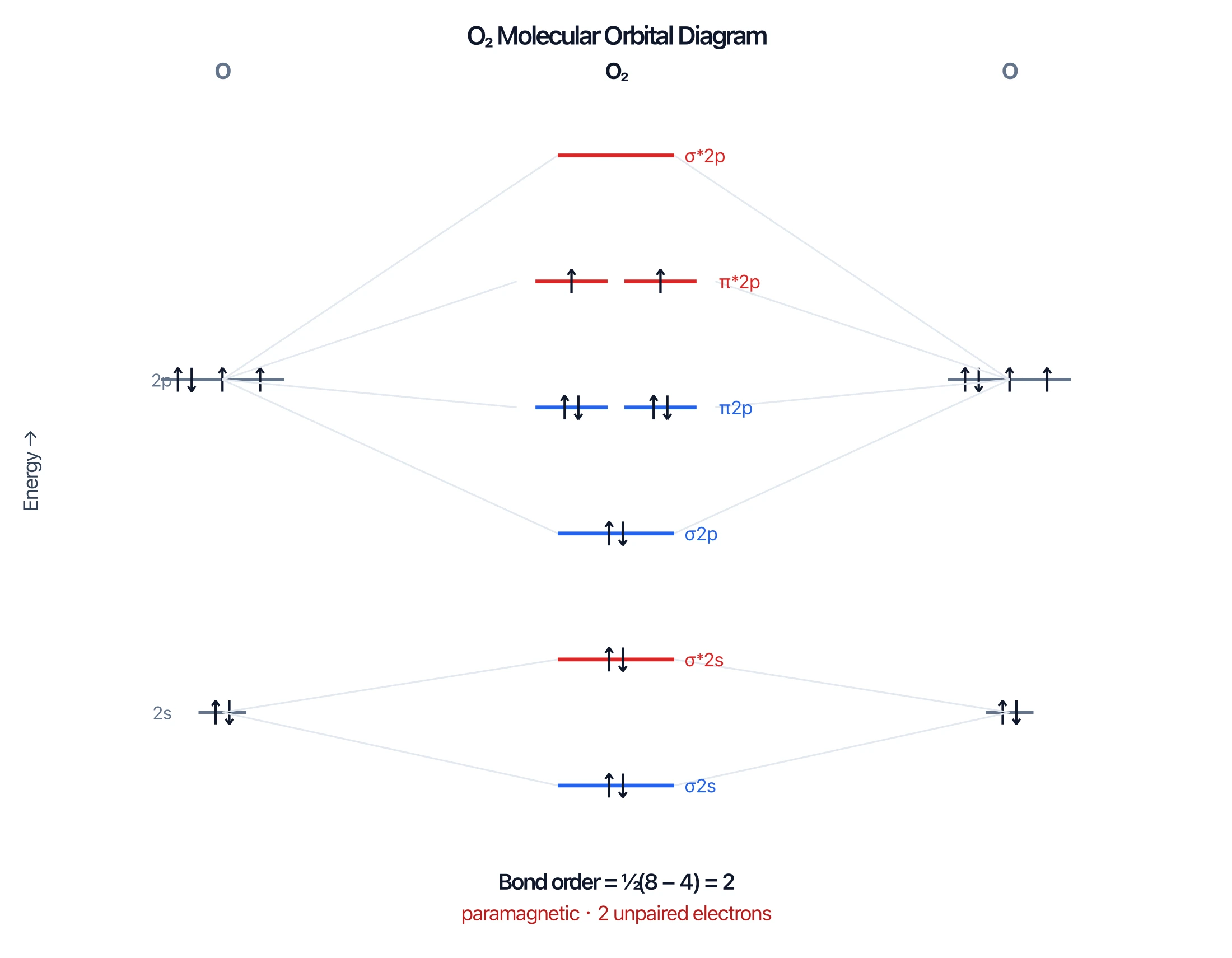
Molecular Orbital Diagram Generator
Build MO diagrams for period-2 diatomics with correct orbital filling, bond order and magnetism.