Blood Type Punnett Square Calculator
Pick two parents and see the ABO and Rh Punnett squares with the chance of each child blood type. Includes the full parents to child chart and a printable practice sheet.
Parent 1: O+
ABO blood type
Rh factor
Parent 2: AB+
ABO blood type
Rh factor
A and B parents can carry a hidden O allele. If you do not know the genotype, leave it on "Not known" and every possible case is shown, without population weighting.
Swipe sideways inside the diagram to see every column.
O+ x AB+: the child can be A+, A-, B+, B-
- A+: 37.5% to 50%
- A-: 0% to 12.5%
- B+: 37.5% to 50%
- B-: 0% to 12.5%
Not possible in this model: AB+, AB-, O+, O-. Rare exceptions (see below) can break this rule.
Genotypes not known: percentages are shown as a range from the lowest to the highest case. Pick a genotype above for one exact answer.
Parents to child blood type chart
Every parent combination, computed with the same engine as the calculator. Click a row to open it in the calculator.
Table
| Parents | Child can be | Child cannot be |
|---|---|---|
| A+ x A+ | A+, A-, O+, O- | B+, B-, AB+, AB- |
| A+ x A- | A+, A-, O+, O- | B+, B-, AB+, AB- |
| A+ x B+ | A+, A-, B+, B-, AB+, AB-, O+, O- | none |
| A+ x B- | A+, A-, B+, B-, AB+, AB-, O+, O- | none |
| A+ x AB+ | A+, A-, B+, B-, AB+, AB- | O+, O- |
| A+ x AB- | A+, A-, B+, B-, AB+, AB- | O+, O- |
| A+ x O+ | A+, A-, O+, O- | B+, B-, AB+, AB- |
| A+ x O- | A+, A-, O+, O- | B+, B-, AB+, AB- |
| A- x A- | A-, O- | A+, B+, B-, AB+, AB-, O+ |
| A- x B+ | A+, A-, B+, B-, AB+, AB-, O+, O- | none |
| A- x B- | A-, B-, AB-, O- | A+, B+, AB+, O+ |
| A- x AB+ | A+, A-, B+, B-, AB+, AB- | O+, O- |
| A- x AB- | A-, B-, AB- | A+, B+, AB+, O+, O- |
| A- x O+ | A+, A-, O+, O- | B+, B-, AB+, AB- |
| A- x O- | A-, O- | A+, B+, B-, AB+, AB-, O+ |
| B+ x B+ | B+, B-, O+, O- | A+, A-, AB+, AB- |
| B+ x B- | B+, B-, O+, O- | A+, A-, AB+, AB- |
| B+ x AB+ | A+, A-, B+, B-, AB+, AB- | O+, O- |
| B+ x AB- | A+, A-, B+, B-, AB+, AB- | O+, O- |
| B+ x O+ | B+, B-, O+, O- | A+, A-, AB+, AB- |
| B+ x O- | B+, B-, O+, O- | A+, A-, AB+, AB- |
| B- x B- | B-, O- | A+, A-, B+, AB+, AB-, O+ |
| B- x AB+ | A+, A-, B+, B-, AB+, AB- | O+, O- |
| B- x AB- | A-, B-, AB- | A+, B+, AB+, O+, O- |
| B- x O+ | B+, B-, O+, O- | A+, A-, AB+, AB- |
| B- x O- | B-, O- | A+, A-, B+, AB+, AB-, O+ |
| AB+ x AB+ | A+, A-, B+, B-, AB+, AB- | O+, O- |
| AB+ x AB- | A+, A-, B+, B-, AB+, AB- | O+, O- |
| AB+ x O+ | A+, A-, B+, B- | AB+, AB-, O+, O- |
| AB+ x O- | A+, A-, B+, B- | AB+, AB-, O+, O- |
| AB- x AB- | A-, B-, AB- | A+, B+, AB+, O+, O- |
| AB- x O+ | A+, A-, B+, B- | AB+, AB-, O+, O- |
| AB- x O- | A-, B- | A+, B+, AB+, AB-, O+, O- |
| O+ x O+ | O+, O- | A+, A-, B+, B-, AB+, AB- |
| O+ x O- | O+, O- | A+, A-, B+, B-, AB+, AB- |
| O- x O- | O- | A+, A-, B+, B-, AB+, AB-, O+ |
For A and B parents the table lists every child type that is possible for at least one genotype. Ranges in the ABO-only table run from the lowest to the highest case. Percentages are Punnett cell counts, not population statistics.
Printable practice sheet with answer key
Six blood type Punnett square problems with blank ABO and Rh grids. Pick a set, then print the sheet and the answer key.
Problem set
Preview
Donor and recipient compatibility (red blood cells)
A small reference, separate from inheritance. It shows which recipients can receive red blood cells from each donor type. Source: American Red Cross, Blood Types. It is not guidance for any real transfusion.
| Donor type | Can give red cells to |
|---|---|
| O- | All eight types |
| O+ | O+, A+, B+, AB+ |
| A- | A-, A+, AB-, AB+ |
| A+ | A+, AB+ |
| B- | B-, B+, AB-, AB+ |
| B+ | B+, AB+ |
| AB- | AB-, AB+ |
| AB+ | AB+ |
Blood Type Inheritance Charts
Ready-made charts, a worked example and printable practice sheets, free to view and download with no sign-up. They come from the same engine as the calculator above.
ABO Blood Type Inheritance Chart: Parents to Child
All ten ABO parent combinations with the chance of each child type. Ranges cover every genotype a type A or type B parent could have.
Inheritance charts
Worked examples
Print and practice
How blood type is inherited
- ABO blood type is controlled by one gene with three common alleles: I-A (written A), I-B (written B) and i (written O). A and B are codominant, so a child who receives both has type AB. O is recessive, so type O needs two O alleles. That gives six genotypes (AA, AO, BB, BO, AB and OO) and four blood types.
- Each parent passes on one of their two alleles, chosen at random, and a Punnett square lays out the four equally likely combinations. A parent with type A can be AA or AO, which is why two type A parents can still have a type O child when both carry the hidden O allele.
- The Rh factor is shown here as a second, independent gene with a dominant D allele (Rh positive) and a recessive d allele (Rh negative). Because the genes sit on different chromosomes, the ABO chance and the Rh chance multiply. An O positive by AB negative cross with genotypes OO Dd and AB dd gives A or B at 50% each and Rh positive or negative at 50% each, so A+, A-, B+ and B- are 25% each.
How to use the blood type Punnett square calculator
- Choose the ABO type and the Rh factor for each parent. If you only know the blood type, leave the genotype on "Not known": the calculator then shows every genotype pair that fits, as separate Punnett squares, and gives each child type as a range from the lowest to the highest case. It does not weight the cases by how common each genotype is in a population, because that would need real frequency data.
- If you do know a genotype, for example from a family tree or a textbook problem, pick it in the genotype menus and the answer becomes one exact percentage per blood type. The table below the calculator lists every parent combination, and clicking a row opens it in the calculator.
- Export the diagram as PNG or SVG, or print it. The practice sheet section prints six problems with blank grids and a matching answer key.
Parents to child chart: what it tells you
Two type O parents can only have type O children, and a type AB parent can never have a type O child in this model. Two type A parents can have type A or type O children, two type B parents can have type B or type O, and an A by B pairing can produce all four types. The chart also shows the limits of the method: a type A parent might be AA or AO, so the honest answer for many pairs is a range rather than one number. The 21-row genotype table removes that uncertainty by fixing the genotypes.
Limits of the simple model and rare exceptions
- This page is a teaching model. It is for learning genetics, it is not medical advice, and blood type is confirmed by laboratory testing. ABO typing alone is not enough to prove or disprove who a child's parents are, so do not use this calculator for that purpose.
- Real blood groups have exceptions. In the Bombay phenotype (hh) a person lacks the H antigen and tests as type O even if they carry A or B alleles, so two parents who seem to be O and AB can have an unexpected child. Cis-AB, where one chromosome carries both A and B, and chimerism, where a person has two cell lines, can also break the usual patterns.
- Rh is more complex than one gene. Rh positive and negative depend mainly on the RHD gene, which is often deleted in Rh negative people, and variants such as weak D and partial D exist. The D and d model is a simplification that matches the way the Rh factor is taught.
Blood type chart, donor compatibility and the difference
Many pages that say "blood type chart" mean donation and transfusion compatibility, which is a different question from inheritance. A small donor and recipient table for red blood cells sits at the bottom of the tool for reference, with the American Red Cross as the source. This page focuses on inheritance: which blood types a child can have, given the parents. For general crosses of other traits, use the Punnett square maker linked below, or draw a family tree with the pedigree chart maker.
Frequently Asked Questions
Related Biology Tools
 Biology
Punnett Square Maker
Make a Punnett square for any trait: monohybrid, dihybrid and custom crosses.
 Biology
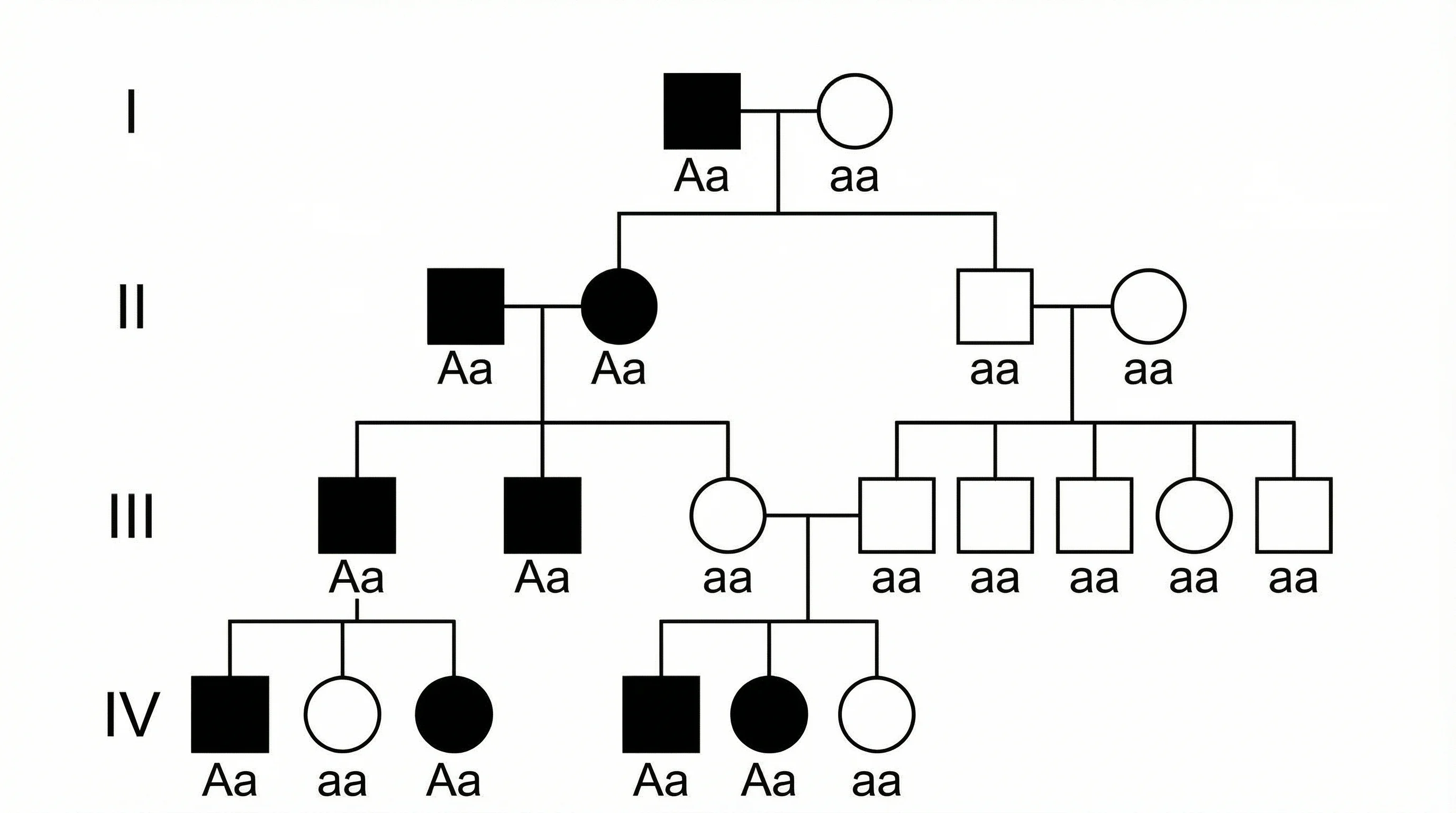
Pedigree Chart Maker
Draw a family tree to follow a trait or blood type through generations.
 Biology
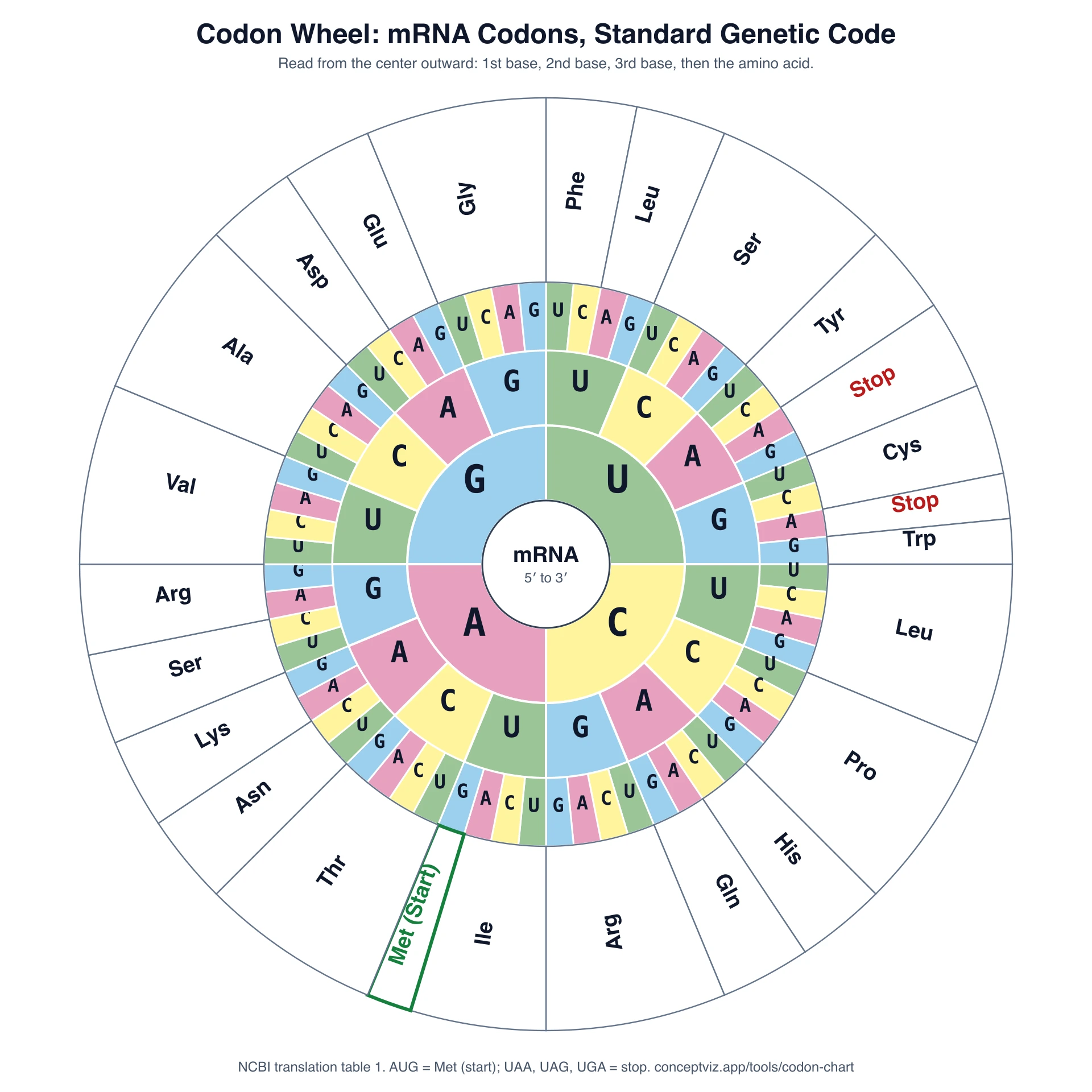
Codon Chart
Look up codons, amino acids and the genetic code with a table and a wheel.
 Biology
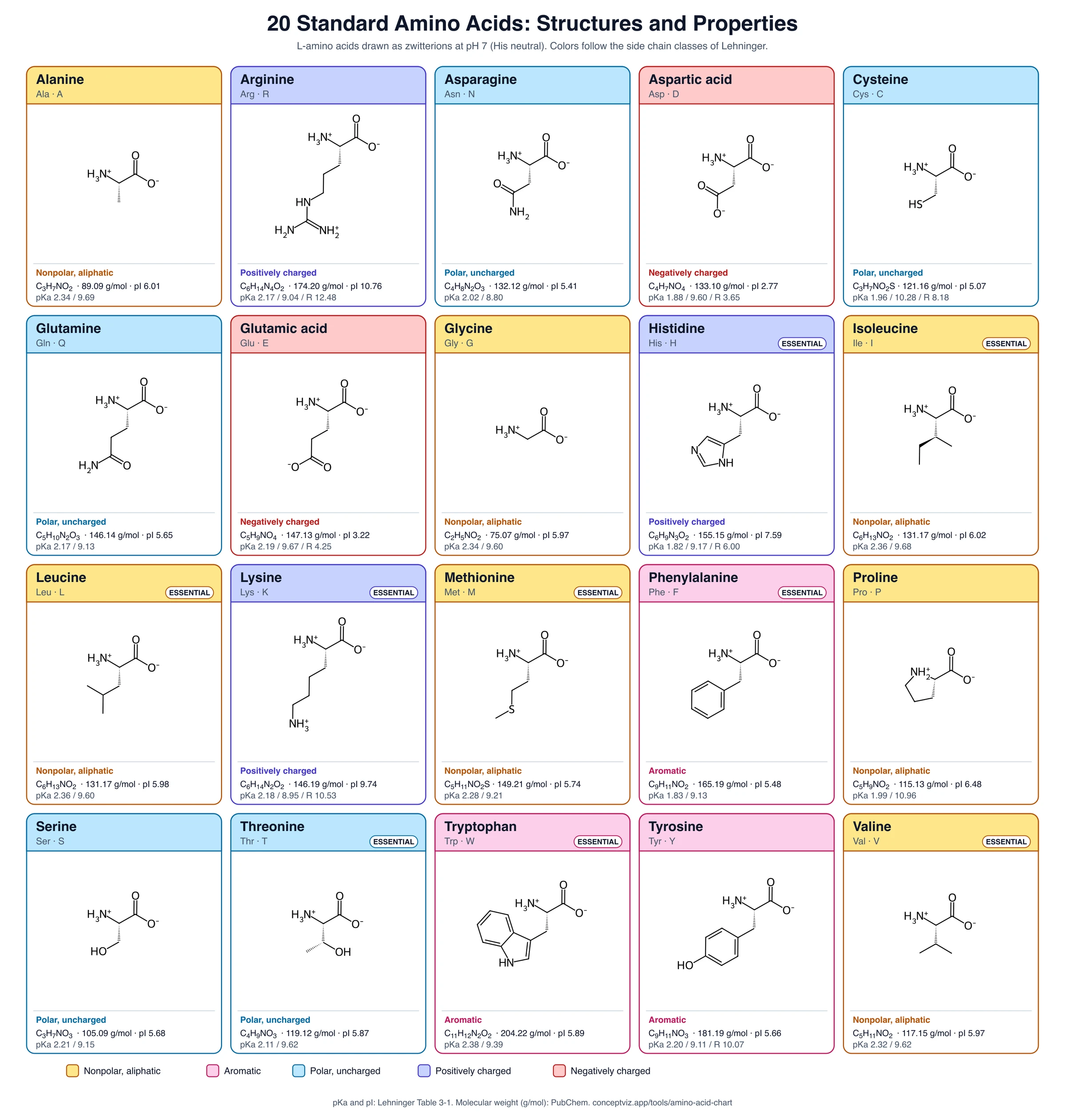
Amino Acid Chart
See the structure, pKa, pI and class of all 20 amino acids.