Amino Acid Chart 20 Structures and Properties
Free amino acid chart with all 20 structures at pH 7, names, 3-letter and 1-letter codes, pKa, pI and essential amino acids. Filter, print, PNG or SVG.
Mode
Essential for adults
Charge at pH 7.4
Side chain class
Sort by
Showing 20 of 20 amino acids. Exports match the cards below, in the same order. PNG is 3200 px wide.
Click any card to see the formula, molecular weight, pKa values, isoelectric point (pI), hydropathy and charge at pH 7.4.
L-amino acids drawn at pH 7: NH3+ and COO-, acidic side chains deprotonated, basic side chains protonated, histidine neutral. pKa and pI from Lehninger; molecular weights from PubChem; hydropathy (KD) from Kyte and Doolittle.
Amino Acid Chart Images
Ready-made amino acid charts, free to view and download with no sign-up. They come from the same chart engine as the tool above.
Amino Acid Chart with Structures and Properties
All 20 standard amino acids drawn as zwitterions at pH 7, colored by the Lehninger side chain classes. Each card lists the formula, molecular weight, pI and pKa values.
Amino acid charts
Essential amino acids
Print and practice
Looking for the codons behind each amino acid? Open the codon chart for the full genetic code table and codon wheel.
What is an amino acid chart?
An amino acid chart lists the 20 standard amino acids that cells use to build proteins, with the structure, name, three-letter and one-letter code and the properties that decide how each one behaves. Every standard amino acid has the same backbone, an alpha carbon bonded to an amino group, a carboxyl group, a hydrogen and a variable side chain (the R group). Only the side chain changes, and that side chain is what the chart groups by. The structures on this page are the L-forms found in proteins, drawn as zwitterions at pH 7, with the backbone in the same position on every card so the side chains are easy to compare.
How to read the structures
- Each structure shows the amino group on the upper left as NH3+, the carboxyl group on the upper right as COO-, and the side chain hanging down from the alpha carbon on a hashed bond. That bond shows the L configuration. Almost all L-amino acids are S in CIP naming; cysteine is R only because sulfur outranks the carboxyl group in the priority rules, and glycine has no stereocenter because its side chain is a hydrogen. Isoleucine and threonine have a second stereocenter, which is why their side chains carry an extra wedge or hash.
- Why charges? Free amino acids exist mostly as zwitterions near neutral pH: the amino group (pKa about 9 to 10) is protonated and the carboxyl group (pKa about 2) has lost its proton. Side chains follow the same rule. Aspartate and glutamate are drawn deprotonated, lysine and arginine protonated. Histidine is drawn neutral because its imidazole ring has a pKa near 6, so at pH 7.4 it is mostly neutral and only partly protonated. Proline is the only standard amino acid whose side chain loops back onto the nitrogen, giving a secondary amine.
How to remember the 20 amino acids
- Learn them by side chain group rather than alphabetically. The nonpolar aliphatic group is glycine, alanine, proline, valine, leucine, isoleucine and methionine. The aromatic group is phenylalanine, tyrosine and tryptophan. The polar uncharged group is serine, threonine, cysteine, asparagine and glutamine. Lysine, arginine and histidine carry positive charges, and aspartate and glutamate carry negative charges.
- Use the filters above to show one group at a time, then switch to blank practice mode, name each structure from memory and click the card to check. Sorting by hydropathy is a quick way to see which residues tend to sit inside a folded protein (isoleucine, valine, leucine) and which sit on the surface (arginine, lysine, aspartate, glutamate).
Why cysteine, glycine, histidine, tyrosine and tryptophan are grouped differently
Textbooks do not agree on every amino acid. This chart follows Lehninger: glycine is nonpolar aliphatic, cysteine is polar uncharged, tyrosine and tryptophan are aromatic, and histidine is positively charged. Other books group glycine as polar or as its own special case because its side chain is only a hydrogen. Cysteine is often listed as nonpolar because its Kyte-Doolittle hydropathy is positive (+2.5), yet its thiol can ionize and form disulfide bonds. Tyrosine is sometimes called polar because of its hydroxyl group, and tryptophan is sometimes called nonpolar because its indole ring is mostly hydrophobic. Histidine is called basic, polar or neutral depending on the pH considered. The codon chart on this site uses a simpler four-class scheme (nonpolar, polar, acidic, basic), so a few colors differ between the two pages for these reasons, not because either is wrong.
pKa, pI and charge at different pH values
The pKa values are for the alpha carboxyl group (pK1), the alpha amino group (pK2) and, where one exists, the side chain (pKR). The isoelectric point (pI) is the pH at which the molecule has no net charge. For amino acids with a neutral side chain it is the average of pK1 and pK2; for acidic amino acids it is the average of pK1 and pKR, and for basic ones the average of pK2 and pKR. All pKa and pI values here come from one source, Table 3-1 of Lehninger Principles of Biochemistry, so they stay consistent with each other. Other textbooks and databases report values that differ by a few tenths of a unit, especially for threonine, cysteine and proline, so use the values your course or lab protocol specifies.
Essential and non-essential amino acids
Nine amino acids are essential for adults, meaning the body cannot make enough of them and they must come from food: histidine, isoleucine, leucine, lysine, methionine, phenylalanine, threonine, tryptophan and valine. Older lists counted eight and treated histidine as essential only for infants; current WHO and FAO guidance includes histidine for adults too. Arginine, cysteine, glutamine, glycine, proline and tyrosine are often called conditionally essential, because demand can exceed production during growth, illness or low intake of their precursors. Tyrosine, for example, is made from phenylalanine. The remaining amino acids are non-essential.
Amino acids and the codon chart
Every amino acid on this chart is encoded by one to six codons of the genetic code. Methionine and tryptophan have a single codon each, while leucine, serine and arginine have six. To go from a codon to the amino acid and back to its structure, use the codon chart for the lookup and this page for the chemistry. The three-letter and one-letter codes here are the same ones shown on the codon chart.
Printing and exporting
Use PNG for slides and documents, SVG when you need a vector that stays sharp at any size, and Print for a paper copy; your browser print dialog can also save a PDF. The black and white version prints the side chain class on every card, and the blank practice sheet hides every name and code for worksheets and quizzes. The export always matches the cards currently shown, so a filtered or sorted view exports as filtered or sorted. Everything is drawn in your browser and is free to use without an account.
Frequently Asked Questions
Related Biology and Chemistry Tools
 Biology
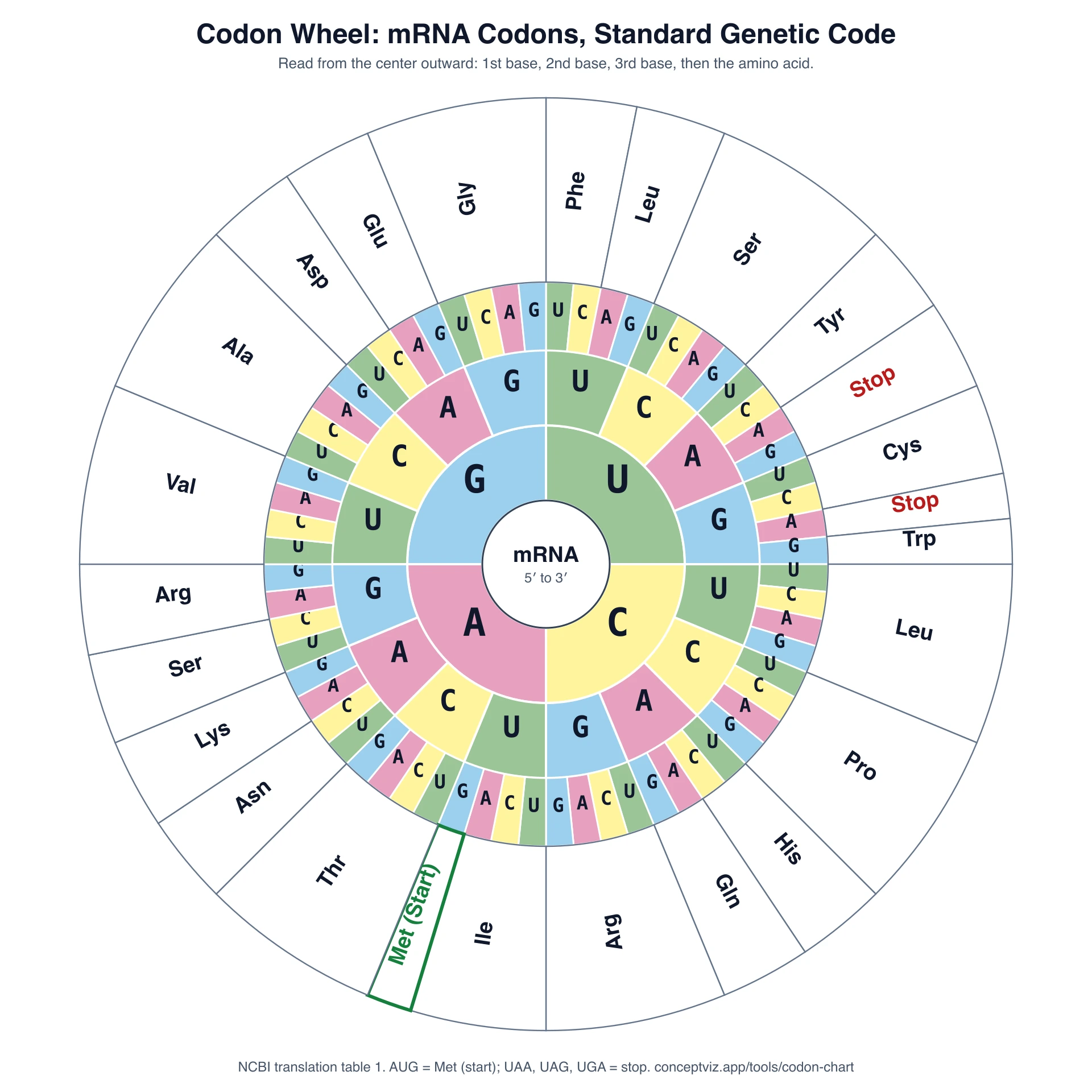
Codon Chart
Look up which codons code for each amino acid, with a codon table, wheel and blank sheet.
 Biology
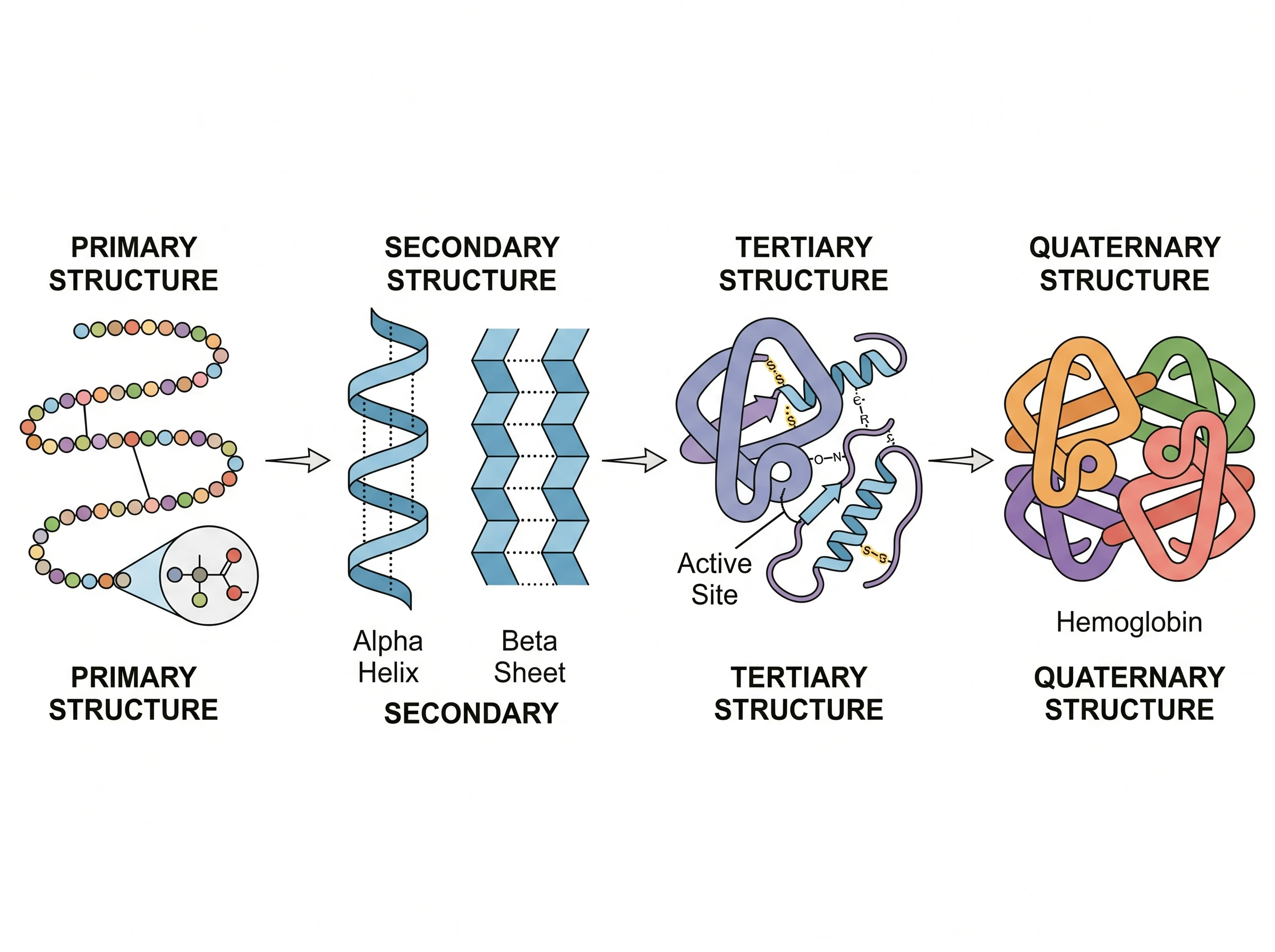
Protein Structure Diagram Generator
Illustrate how amino acid chains fold into primary, secondary, tertiary and quaternary structure.
 Chemistry
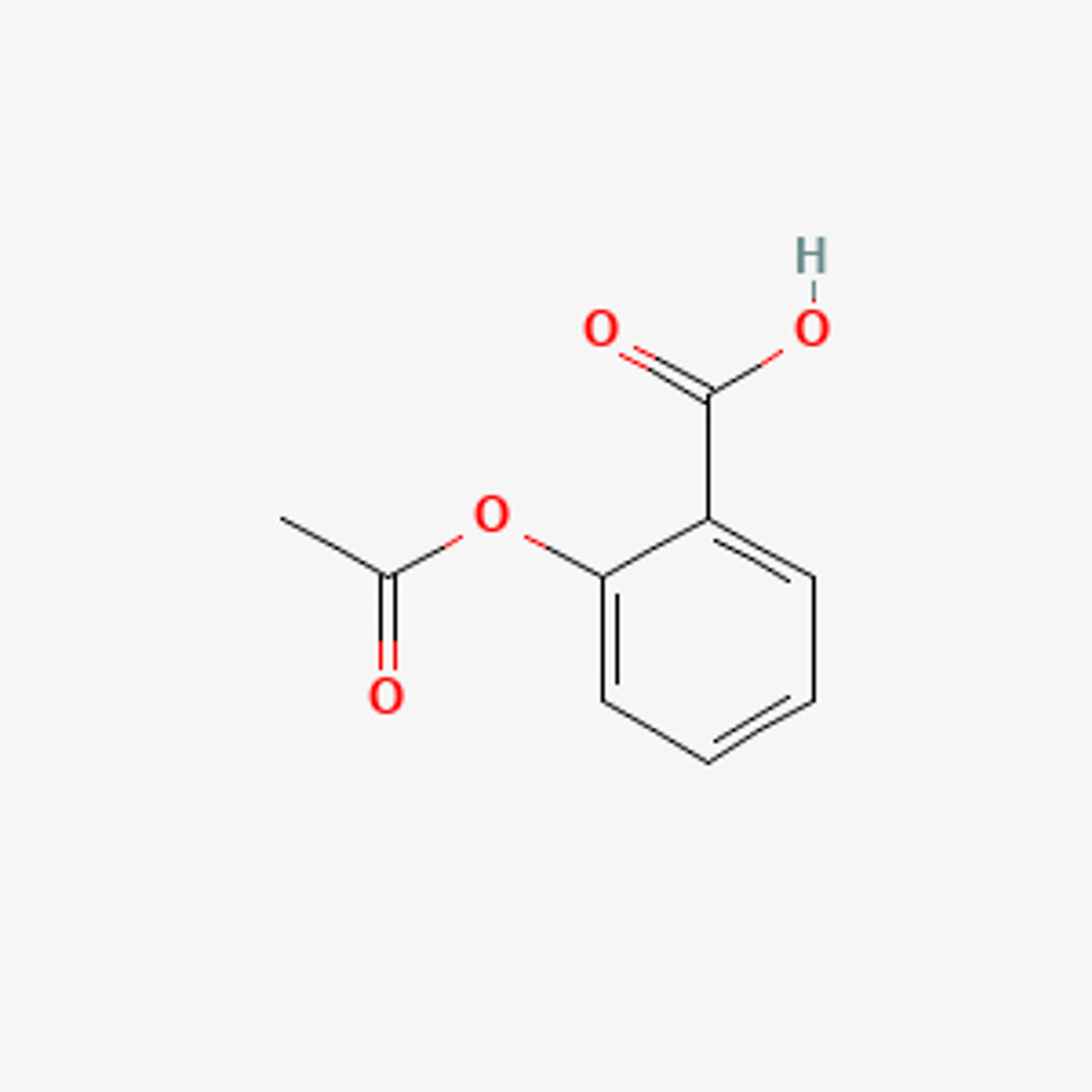
Molecule Generator from Description
Describe a molecule in plain English and get a structure diagram for notes and slides.
 Chemistry
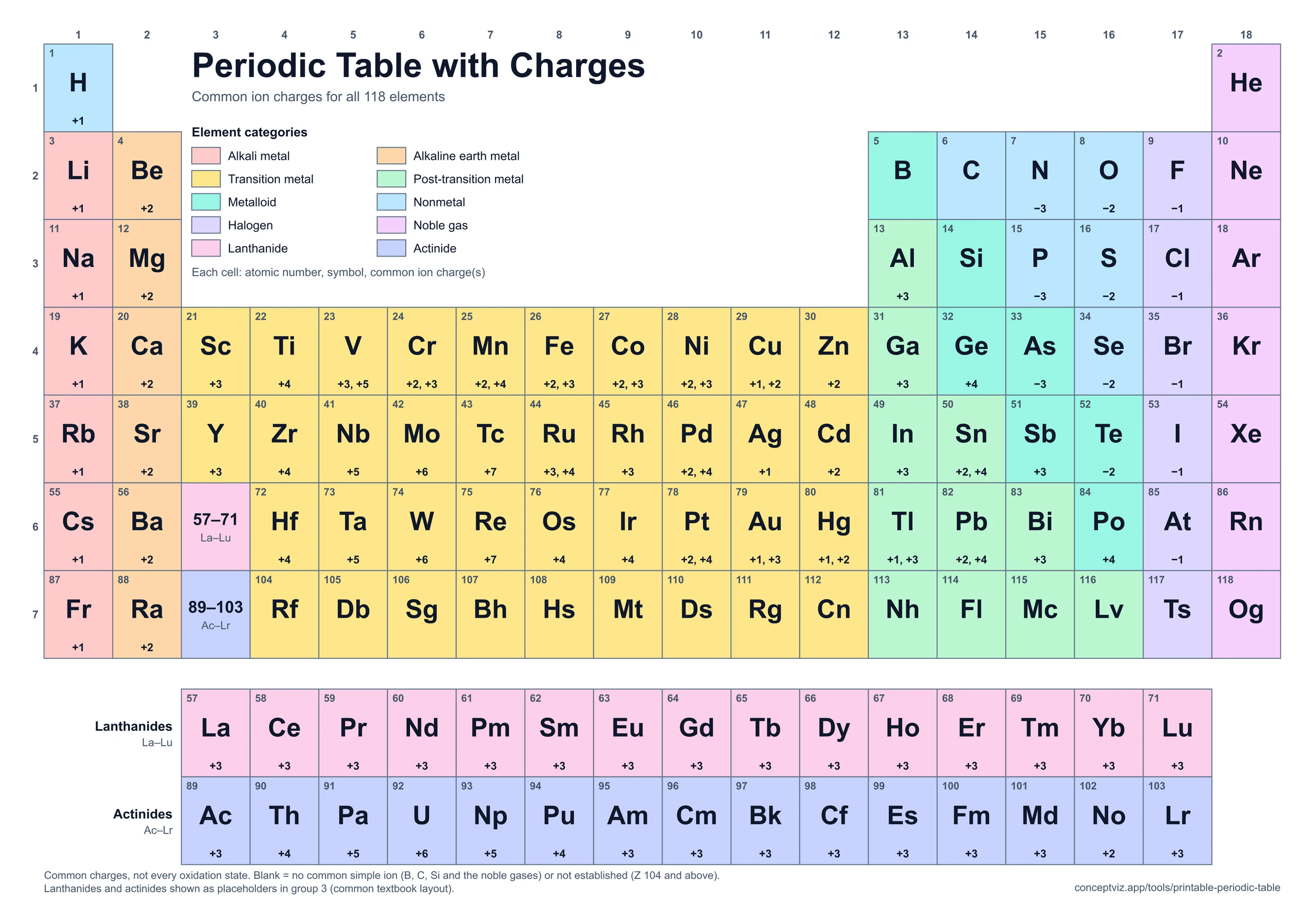
Printable Periodic Table
Printable periodic tables with ion charges, atomic mass and blank versions.