Nursing Concept Map Generator for Care Plans & Pathophysiology
Generate a nursing concept map from a fictional case: assessment, diagnosis, outcomes, interventions, evaluation, or a pathophysiology map.
Create Your Nursing Concept Map
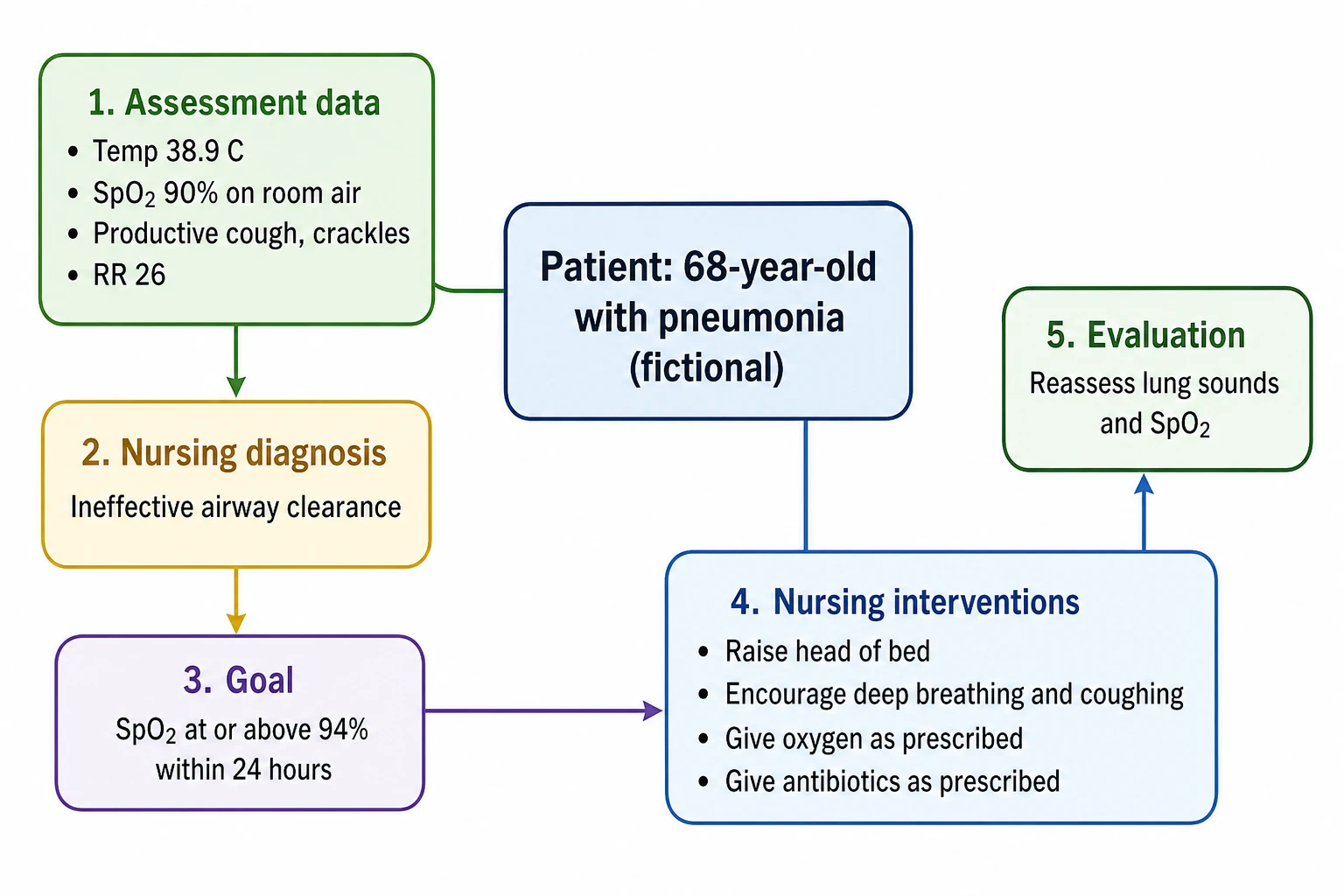 Example: Care plan map for pneumoniaView full size
Preview is free on this page ·
Your nursing concept map will appear here
AI maps are drafts. Check every link against your nursing textbook. Use fictional cases only.
Nursing Concept Map Examples
Two exact diagrams drawn in code, plus three AI maps with their known flaws noted. Fictional cases. AI maps need review.
Heart failure nursing care plan map (exact diagram)
Drawn in code, not by AI. Fictional patient, ADPIE order from left to right, two nursing diagnoses with a cross-link between them, and a feedback arrow for reassessing when a goal is not met. A template for how a care plan map is laid out, not clinical advice.
Type 2 diabetes pathophysiology map (exact diagram)
Drawn in code: insulin resistance and declining insulin output lead to hyperglycemia, which branches into the osmotic signs, the energy deficit, and the long-term vessel and nerve damage. Dashed cross-links show how neuropathy and poor blood flow meet at foot ulcer risk. Simplified for teaching.
Pneumonia care plan map (AI diagram)
AI-generated from the prompt shown. The clinical content is sound: ineffective airway clearance fits the cough and crackles, and the outcome is measurable. Known flaws: no linking phrases on any arrow, no related-to factors, the patient box is joined to the assessment and intervention boxes by lines without arrowheads, and "Temp 38.9 C" has no degree sign.
DKA pathophysiology map (AI diagram)
AI-generated from the prompt shown. Linking phrases are present and the two branches (osmotic diuresis and ketosis) are correct. Known flaws: it draws fat breakdown as caused by glucose being unable to enter cells, when it follows directly from the lack of insulin; it leaves out the liver releasing more glucose; and Kussmaul respirations, a compensation sign, sit inside the acidosis box as if part of its name.
COPD exacerbation care plan map (AI diagram)
AI-generated from the prompt shown, with the sequence and the linking phrases spelled out in the prompt. The order is right and the content is sound: impaired gas exchange, an oxygen target of 88% to 92% for COPD, and oxygen titrated as prescribed. Known flaws: the assessment SpO2 of 89% is already inside the 88% to 92% target, so a real map would set the outcome on work of breathing, dyspnea, or SpO2 held during activity; "airway obstruction" fits Ineffective airway clearance better, since Impaired gas exchange is usually related to ventilation-perfusion imbalance; the related factor sits inside the diagnosis box instead of its own box, the patient is not shown, there is no feedback arrow back to reassessment, and the map has no cross-links.
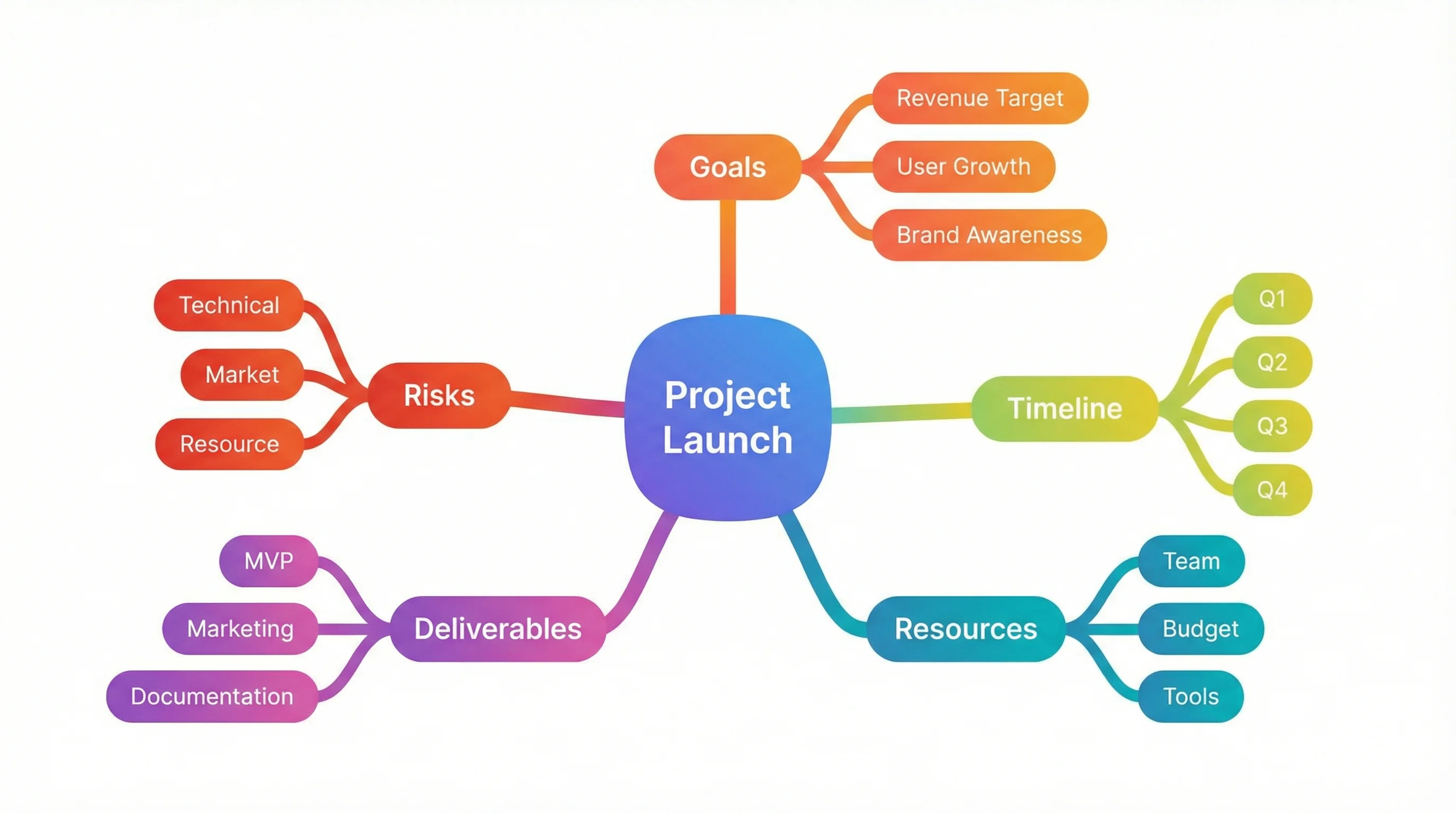
Mapping a topic outside nursing? Use the Concept Map Generator, or read the step-by-step guide to making a concept map for the general method of nodes, linking phrases, and cross-links.
What is a nursing concept map?
A nursing concept map is a diagram that links a patient case to the reasoning behind care. Instead of a long table of text, you place the patient problem, the assessment findings, the nursing diagnosis, the expected outcome, the interventions, and the evaluation in boxes, then connect them with labeled arrows. Nursing programs use two main types. A care plan concept map follows one patient from data to action through the nursing process, ADPIE: Assessment, Diagnosis, Planning, Implementation, Evaluation. A pathophysiology concept map follows a disease from its cause to the signs, symptoms, and complications a nurse will assess. The generator on this page drafts either type from a short case description.
The parts of a nursing care plan concept map
- Patient and problem: a short description of the case in the center or at the start of the map. Use a fictional or fully de-identified case.
- Assessment data: the subjective and objective findings that matter, such as vital signs, lung sounds, weight, pain score, and lab values.
- Nursing diagnosis: the problem the data point to, written in common wording such as "Excess fluid volume" or "Ineffective airway clearance", with the related factor. Many programs take these names from the NANDA-I list; this page uses only the commonly published names.
- Expected outcome: a measurable goal with a time frame, such as SpO2 of 94% or higher within 24 hours.
- Nursing interventions: the actions that move the patient toward the outcome, each tied to the diagnosis it addresses.
- Evaluation: how you will know whether the outcome was met, and the arrow back to reassessment when it was not.
Common types of nursing concept maps
- Care plan map: one patient, from assessment data through the nursing diagnosis, outcome, interventions, and evaluation (ADPIE).
- Pathophysiology map: one condition, from cause to signs, symptoms, and complications, ending in what you assess or prevent.
- Flowchart-style map: boxes in a strict left-to-right or top-to-bottom sequence, popular for step-by-step care plans.
- Spider or radial map: the patient or condition in the center with spokes for assessment, diagnoses, and interventions. Quick to draw, but it hides the order of care unless you number the spokes.
Pathophysiology concept maps: from cause to what the nurse sees
A pathophysiology map starts at the cause of a condition and follows it step by step. For type 2 diabetes the chain runs from insulin resistance to hyperglycemia, then splits: glucose in the urine pulls water with it and causes polyuria and thirst, cells that cannot use glucose cause fatigue and hunger, and years of high glucose damage small and large vessels. Linking phrases such as "causes", "leads to", and "pulls water along" turn the boxes into statements you can check. Cross-links, like neuropathy and poor blood flow both leading to foot ulcer risk, show the connections a plain list hides. Ending each branch at something you can assess or prevent keeps the map useful at the bedside.
How to make a nursing concept map from a case
- Write the case in two or three lines: age, main problem, and the key findings. Use a fictional patient for practice.
- List the assessment data in your prompt, including the numbers (for example, weight up 2 kg in 3 days, SpO2 92% on room air).
- Name the nursing diagnosis you are testing and its related factor, or ask the generator to propose one for you to review.
- State a measurable outcome with a time frame and the interventions you expect, including "as prescribed" for medications.
- Generate the map, then check the order of the arrows and every linking phrase against your textbook and your course rubric.
- Fix what is wrong by re-prompting or by redrawing in your own tool. The map is a study aid, so the reasoning must be yours.
Exact diagrams vs AI illustration on this page
The two exact diagrams are drawn in code, so every box, arrow, and label is placed on purpose. The three AI diagrams were generated from the prompts shown, and each caption lists the flaws we found when we checked them. Typical AI problems on nursing maps are missing linking phrases, arrows without heads, missing related factors or feedback arrows, and a cause written as the effect of the wrong step. Spelling out the order and the linking phrases in the prompt helps, as the COPD map shows. Treat AI output as a first draft and verify every link against a trusted nursing source before you hand in or study from it.
Privacy and academic integrity
Never enter a real patient name, date of birth, record number, or any detail that could identify a person. Build practice maps from fictional or fully de-identified cases, and follow your school and clinical site rules on what may leave the unit. Many programs also set rules on whether AI tools may be used for graded care plans. Check your course policy first, and use the generator to practice layout and reasoning rather than to replace your own clinical judgment.
Frequently Asked Questions
Related Learning Tools
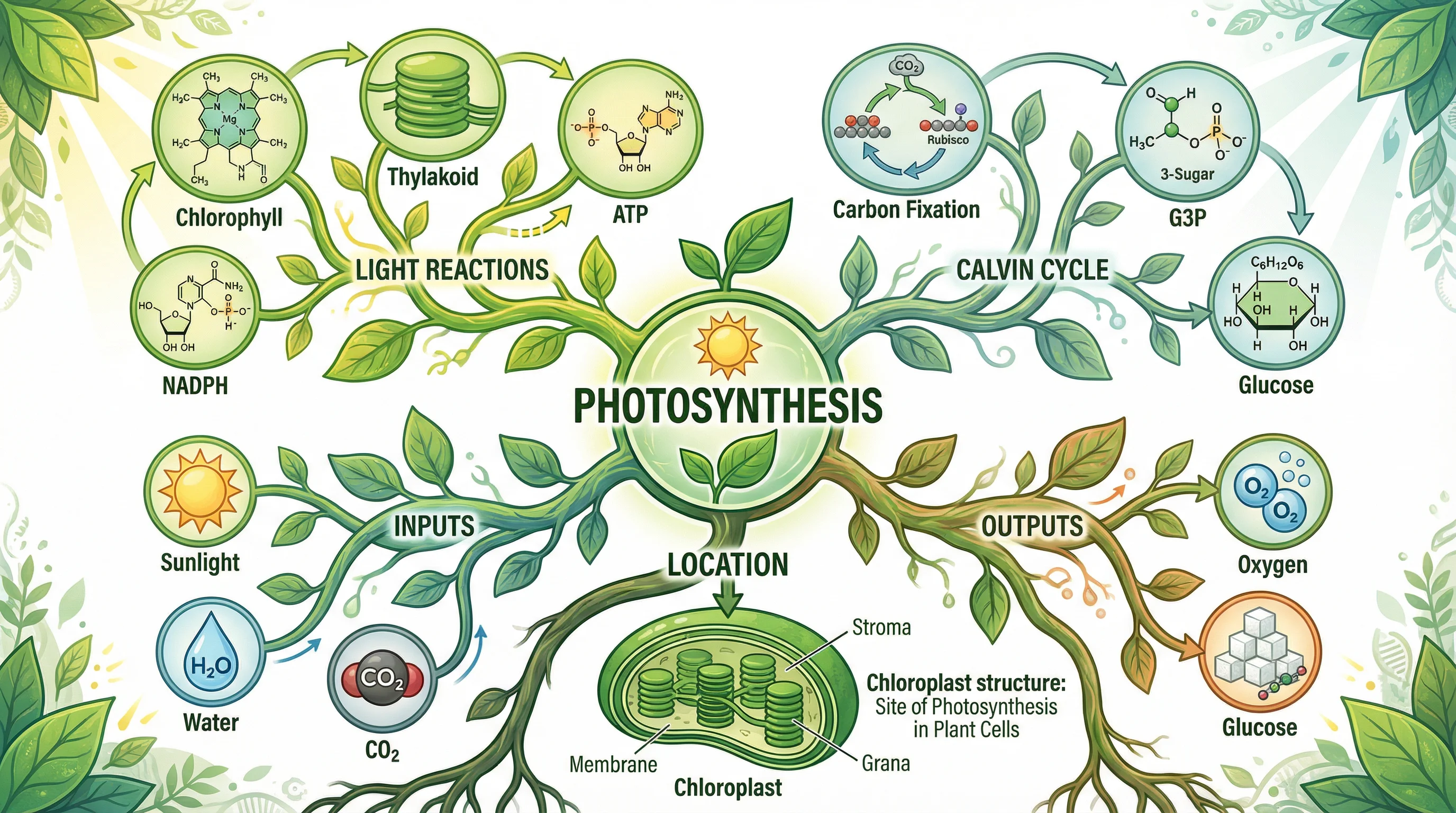 Visualization
Concept Map Generator
Build a concept map on any topic, with labeled linking phrases and cross-links.
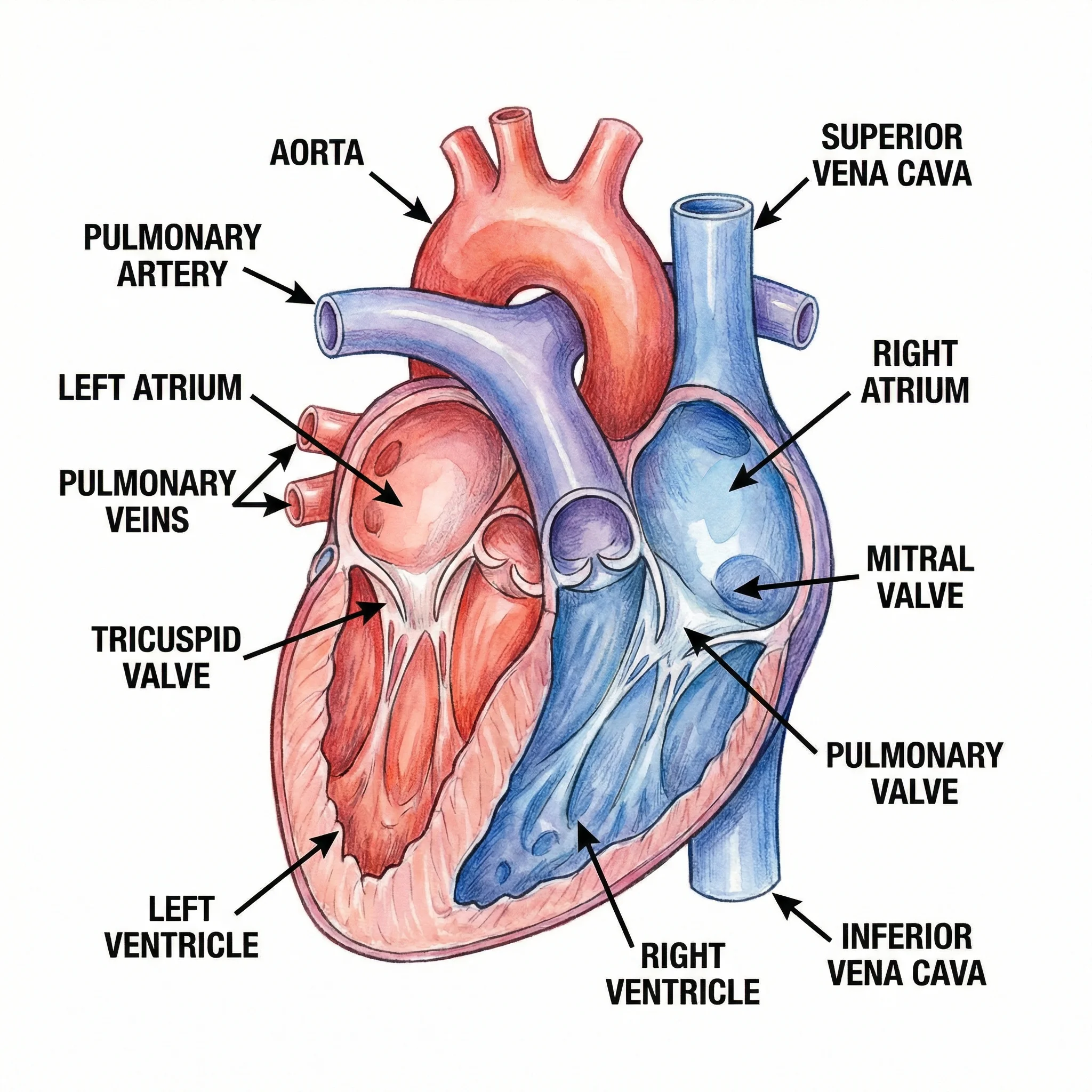 Medical
Medical Illustration Generator
Create labeled medical and anatomy illustrations for teaching and patient education.
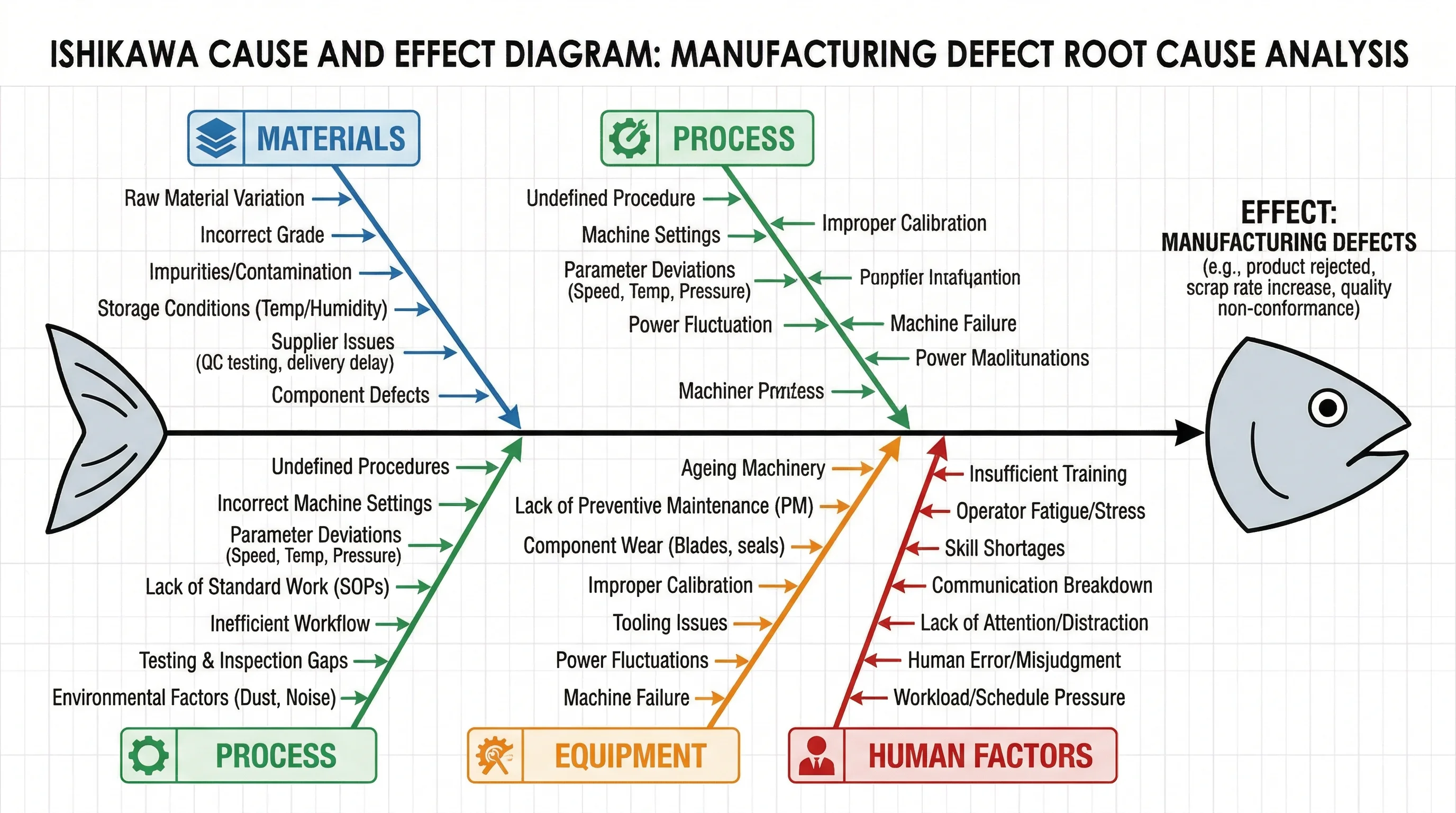 Education
Graphic Organizer Generator
Create graphic organizers for comparisons, cause and effect, and structured notes.
 Visualization
Mind Map Generator
Branch one central topic outward into a radial mind map for quick study notes.