Genogram Maker Genograms
Describe your family structure and our AI will create a professional genogram instantly. Perfect for family therapy, social work assessments, and medical history documentation.
Genogram Maker
Free to try ·
Your genogram will appear here
Describe your family structure and click Generate
Genogram Examples
Browse genogram examples or generate your own above
Three-Generation Family Genogram
A standard three-generation genogram displaying family structure with marriages, divorces, and offspring using conventional genogram symbols.
Medical History Genogram
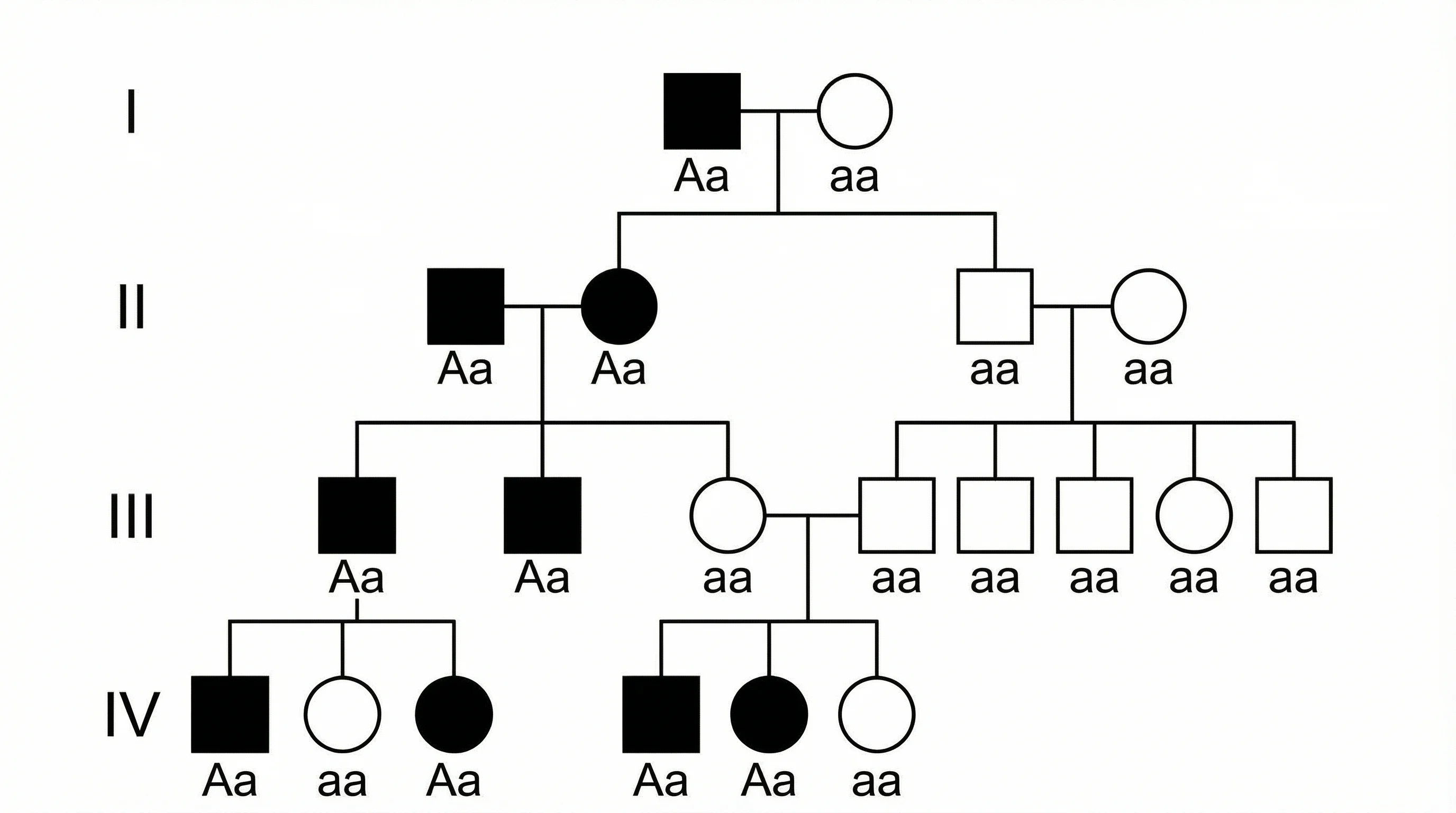
Medical genogram tracking hereditary conditions like heart disease, diabetes, and cancer across multiple generations with color-coded indicators.
Emotional Relationship Genogram
Genogram with emotional relationship mapping using standard relationship lines: close, enmeshed, conflictual, distant, and cutoff patterns.
Substance Abuse Pattern Genogram
Clinical genogram mapping substance abuse patterns and co-occurring mental health conditions across four generations for treatment planning.
Cultural Genogram
Cultural genogram incorporating ethnicity, migration history, religious affiliations, and cultural values across a multicultural family.
Social Work Assessment Genogram
Comprehensive social work genogram showing household boundaries, support networks, community resources, and intervention points.
What is a Genogram?
A genogram is a detailed graphical representation of a family tree that goes far beyond traditional genealogy charts. Developed by Monica McGoldrick and Randy Gerson in the 1980s, genograms use standardized symbols to map family relationships, medical history, emotional patterns, and behavioral traits across multiple generations. Unlike simple family trees that only show names and dates, genograms capture the complexity of family dynamics — including divorces, adoptions, miscarriages, emotional bonds, conflicts, and hereditary conditions. They are essential tools in family therapy, social work, medicine, and genetic counseling, providing clinicians with a visual snapshot of intergenerational patterns that influence current behavior and health.
Standard Genogram Symbols
- Males are represented by squares, females by circles, and unknown gender by diamonds
- Horizontal lines connect partners (single line for marriage, single slash for separation, double slash for divorce)
- Vertical lines connect parents to children, with children arranged left to right by birth order
- Deceased individuals are marked with an X through their symbol
- Adopted children are connected with dashed lines, foster children with dotted lines
- Emotional relationships use special line patterns: zigzag for conflict, triple lines for enmeshed, dotted for distant
Applications of Genograms in Professional Practice
Genograms serve as powerful assessment and treatment planning tools across multiple disciplines. In family therapy, they help therapists identify recurring emotional patterns, triangulation, and intergenerational transmission of trauma. Social workers use genograms for comprehensive family assessments, identifying strengths, risks, and support networks. In medicine, genetic counselors create medical genograms to track hereditary conditions like heart disease, cancer, and mental illness across generations. Psychiatrists use them to map patterns of substance abuse, depression, and anxiety in family systems. Nurses and primary care physicians increasingly use genograms during intake assessments to build a complete picture of a patient's family health history and psychosocial context.
How to Create a Genogram
- Start with the identified client or patient and work outward to include at least three generations
- Use standard symbols: squares for males, circles for females, horizontal lines for partnerships
- Add demographic information: names, ages, dates of birth/death, occupations, and locations
- Map relationship patterns using appropriate line styles (close, distant, conflictual, enmeshed, cutoff)
- Include relevant medical, behavioral, or cultural information using color coding or special symbols
- Our AI genogram maker handles symbol placement and layout automatically from your description
Genogram vs Family Tree: Key Differences
While family trees and genograms both map family relationships, they serve fundamentally different purposes. A family tree is a genealogical record focused on lineage, names, dates, and biological descent — answering the question "who is related to whom?" A genogram, in contrast, is a clinical assessment tool that captures not just family structure but also the quality of relationships, emotional patterns, medical conditions, and behavioral dynamics within the family system. Genograms use standardized symbols recognized across clinical disciplines, include non-biological relationships (adopted, foster, step-family), and map emotional connections that a family tree would never show. Think of a family tree as a historical record and a genogram as a diagnostic tool for understanding how family patterns shape individual behavior and health.
Frequently Asked Questions
More Diagram Tools
BiologyPedigree Chart Maker
Create professional pedigree charts for genetic inheritance and trait analysis.
EducationMind Map Generator
Generate mind maps to organize ideas, concepts, and information visually.
ResearchTree Diagram Generator
Create hierarchical tree diagrams for decision trees, org charts, and classification systems.