ブログ
STEM 教育者向けの指導のコツ、ツール比較、科学図解ガイド。AI による図の生成で、より良い授業教材を作成できます。
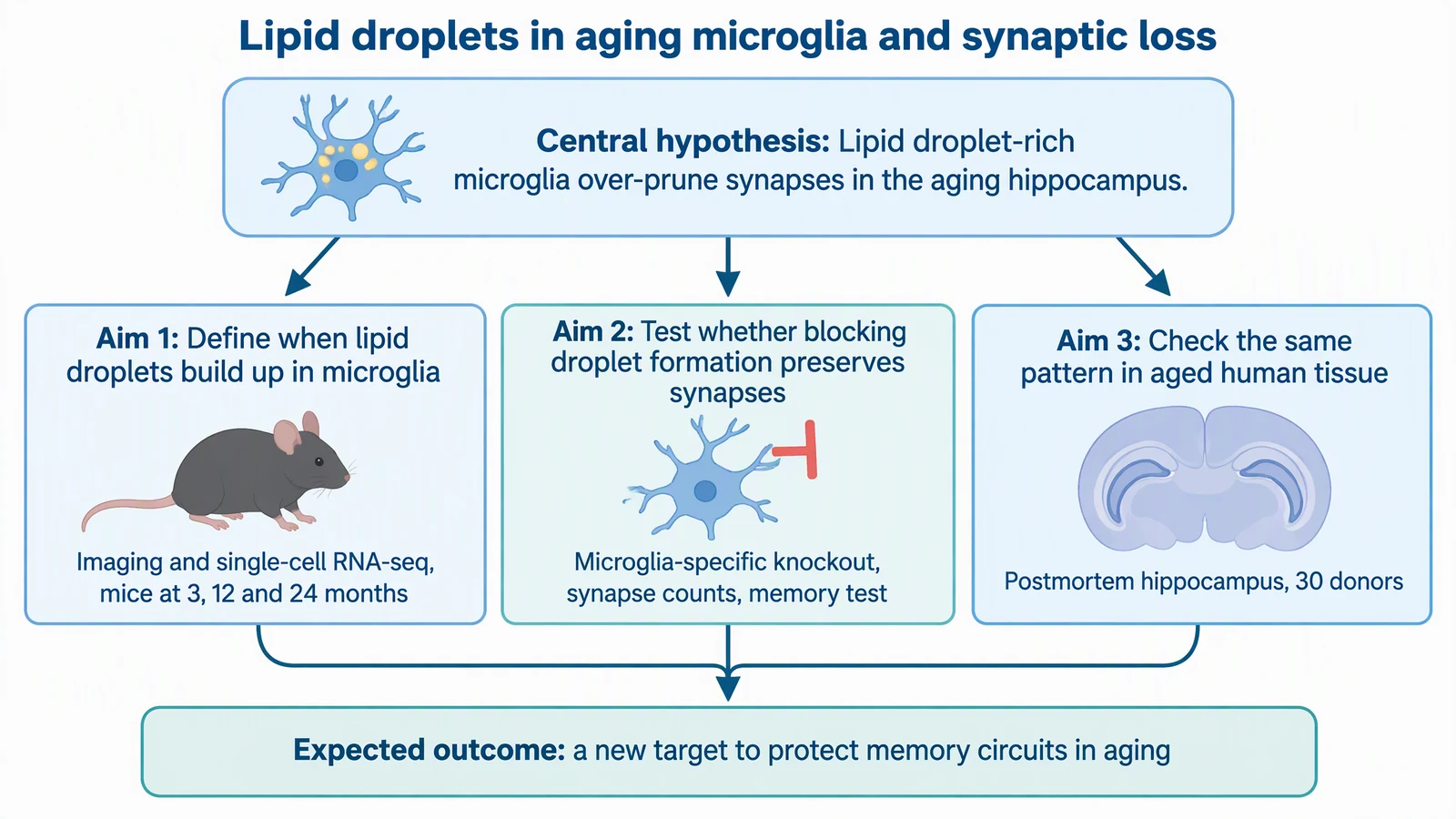
How to Make Figures for an NIH Grant Application
Figures belong in the Research Strategy, not Specific Aims. NIH rules with sources, three fictional overview-figure examples with prompts, and a checklist.
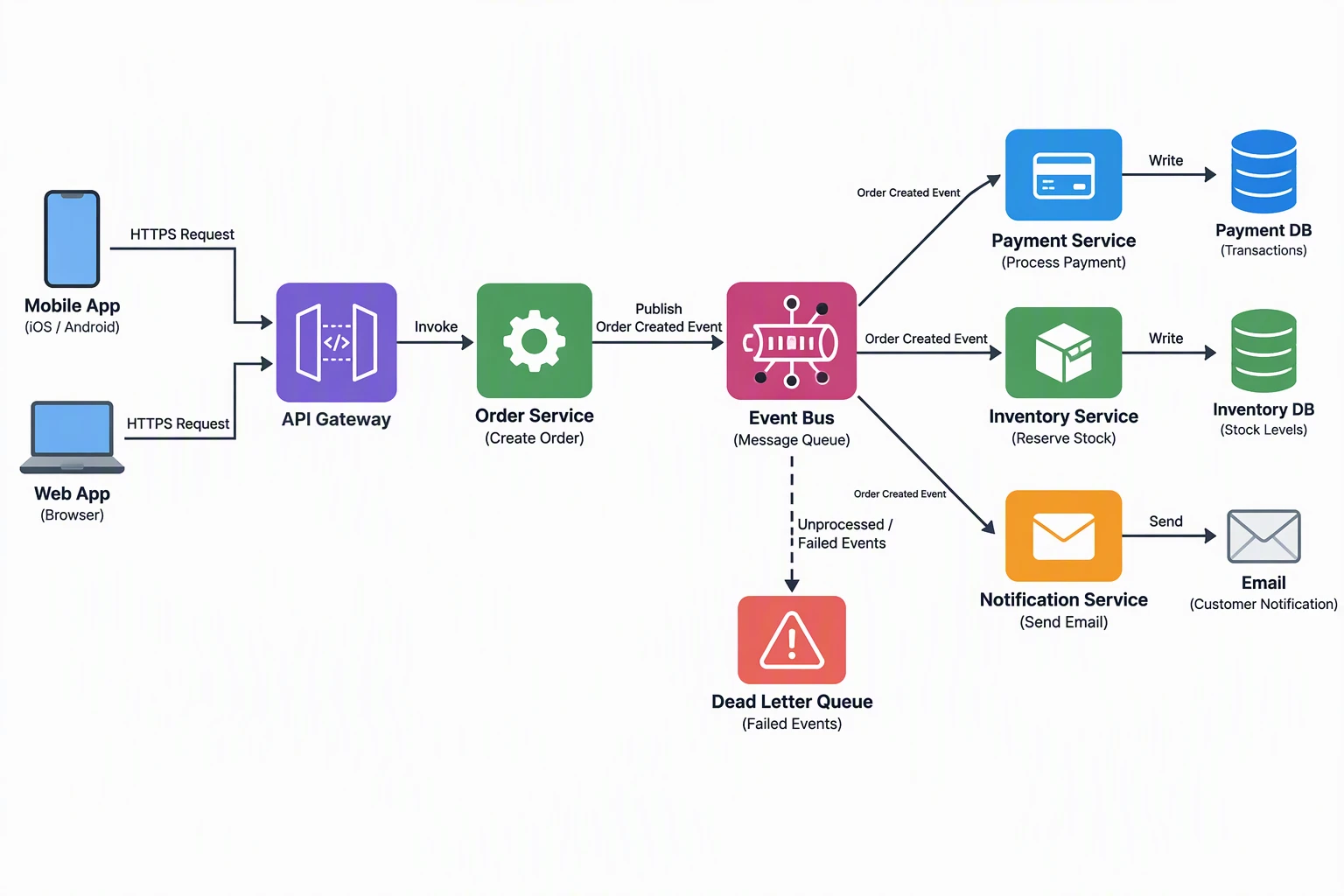
Best AI Architecture Diagram Generators: 7 Tools Compared
Compare 7 AI architecture diagram tools for software, cloud and LLM apps. Prices checked October 2026 on official pages, plus three real test diagrams.
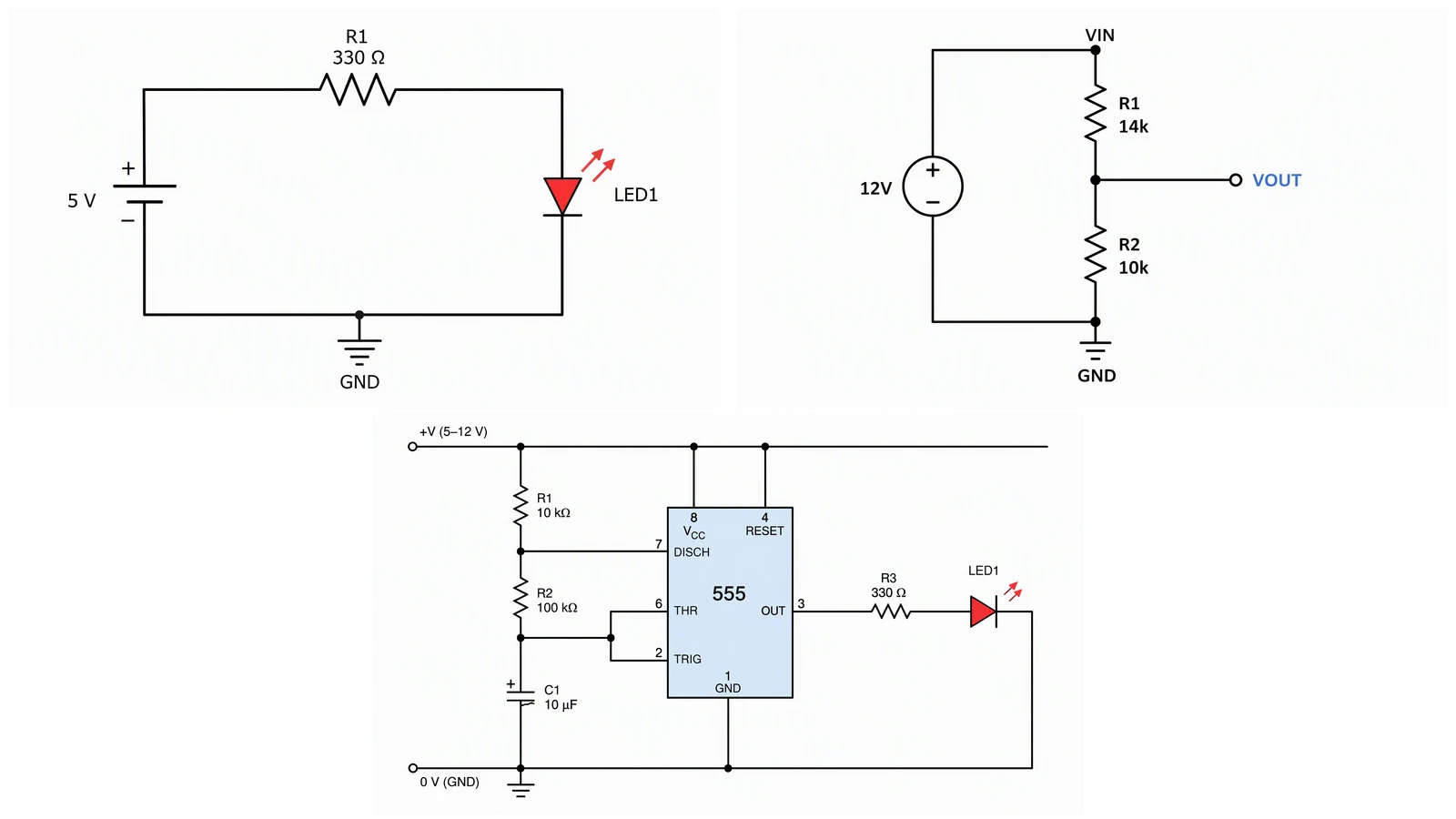
Best Circuit Diagram Software: 12 Tools Compared (2026)
Compare 12 circuit diagram tools for schematics, simulation and PCB work. Prices checked October 2026 on official pages, with free options and who each fits.
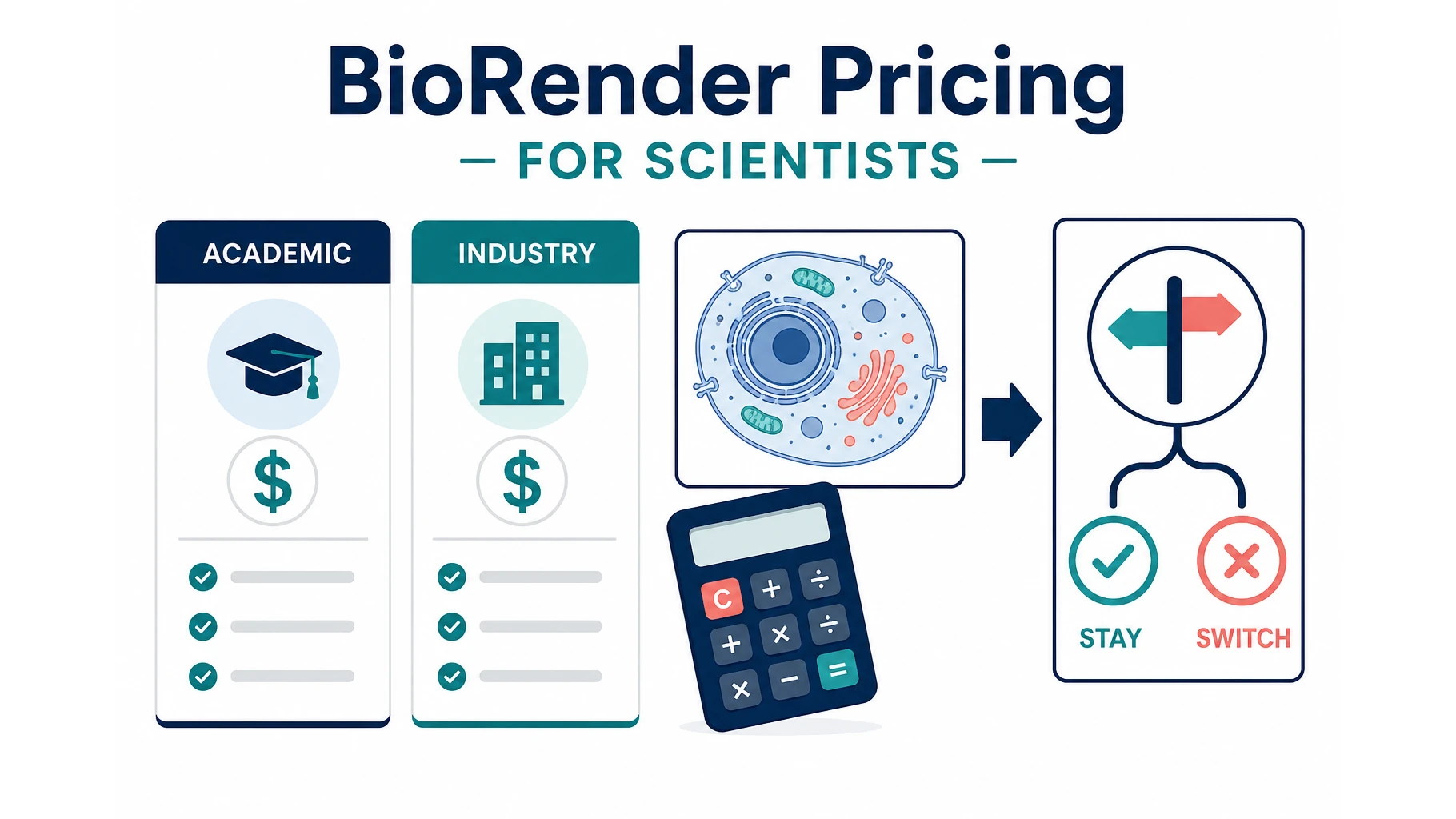
BioRender Pricing 2026: Plans, Academic Cost, When to Switch
BioRender pricing in 2026: Academic Individual is $35/month billed yearly. Compare plans, add-ons, publication rights, and when switching makes sense.
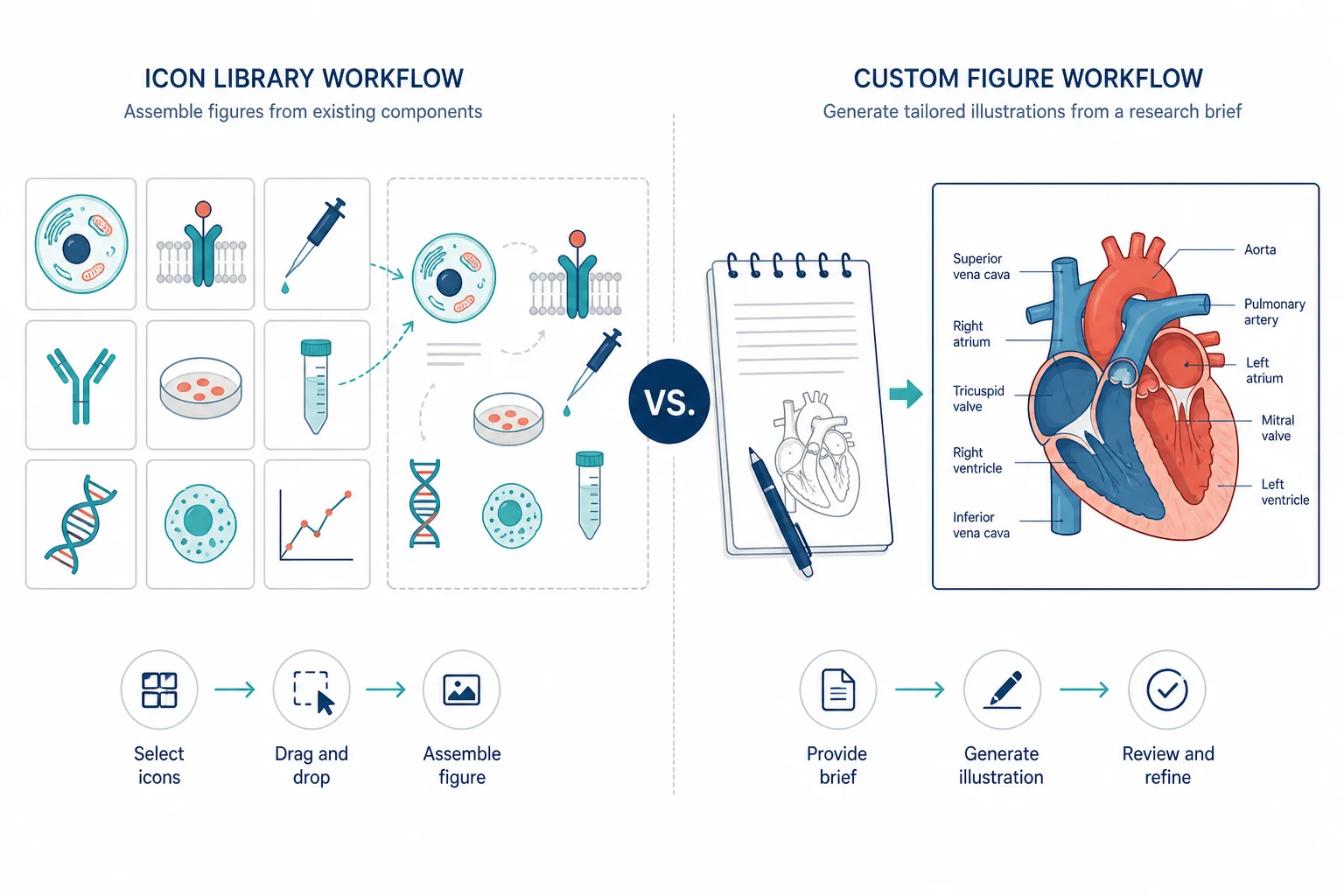
BioRender vs ConceptViz: Keep the Seat or Pay Per Figure
Compare BioRender vs ConceptViz in 2026: $35/mo Academic Individual versus credit packs, required citations, and when buying a second seat is the wrong call.
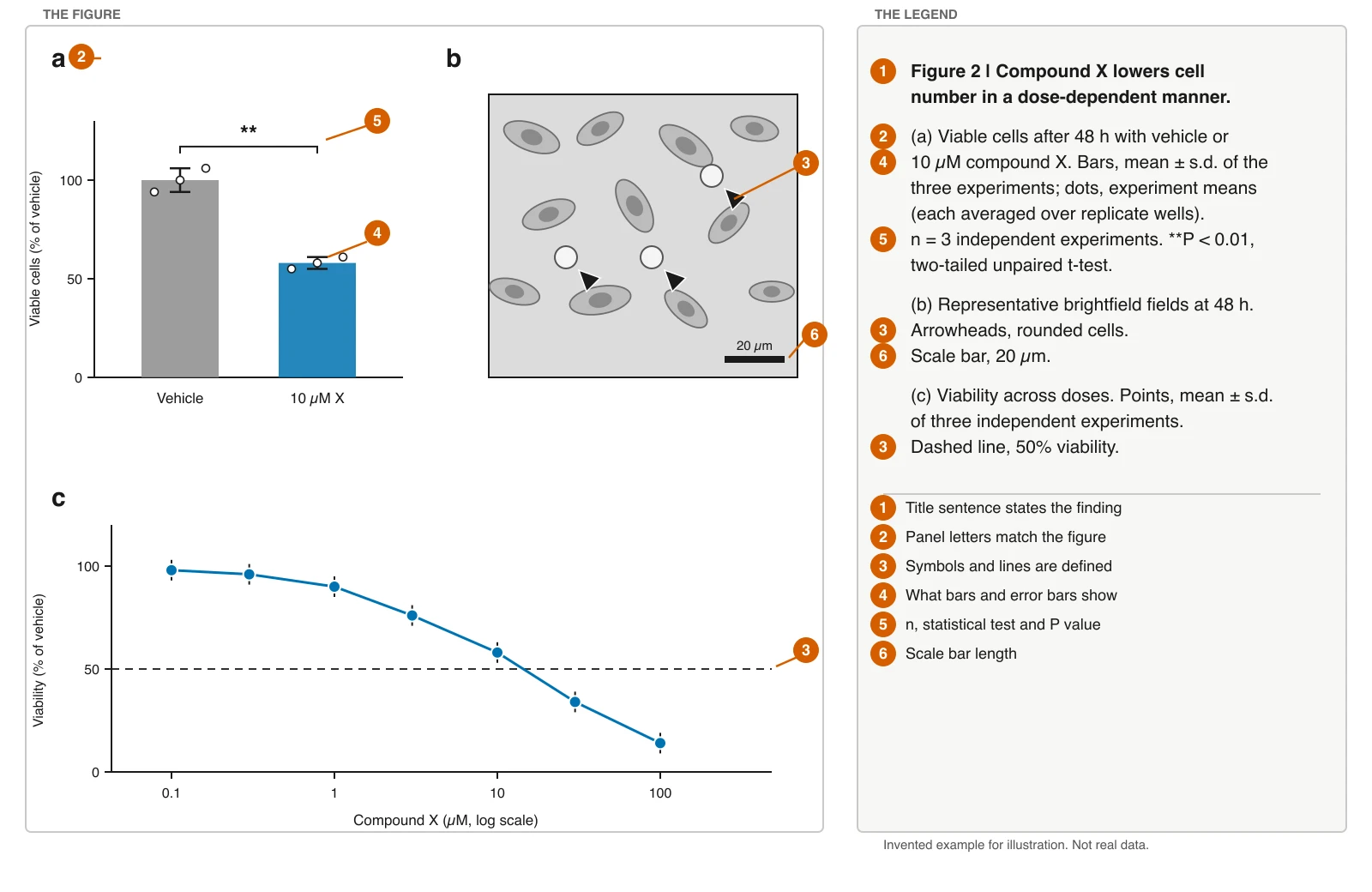
Figure Legend Examples: Structure and Journal Rules
Write a figure legend in six parts, with before-and-after examples, a fill-in template, and Nature, Science, Cell, PLOS and APA rules with official links.