Bohr Model Maker for Any Element
Make a Bohr model online for any element (1–36). Enter a symbol or atomic number for a precise diagram with correct shells and electrons, or describe one for an AI illustration — then export SVG, free.
Enter an element symbol or atomic number — renders an exact Bohr diagram with correct shell counts as SVG, free
Element
Exact Bohr diagram, rendered as SVG.
Supports elements 1–36 (Hydrogen to Krypton).
Configuration: 2, 6
Electron shells fill in standard Bohr order with chemically correct counts (2, 6). Download an editable SVG for slides, worksheets, and chemistry reports.
Bohr Model Maker
免费试用 ·
Your Bohr model will appear here
Describe the Bohr model you want
Bohr Model Examples
Accurate diagrams across periods 1–4, from hydrogen to krypton
Carbon Bohr Model
Carbon (atomic number 6): a 2-shell atom with 4 valence electrons — the basis of organic chemistry.
Oxygen Bohr Diagram
Oxygen (2, 6): six valence electrons make it eager to gain two and complete its outer shell.
Sodium Bohr Model
Sodium (2, 8, 1): a single valence electron it readily loses to form the Na⁺ ion.
Calcium Bohr Diagram
Calcium (2, 8, 8, 2): a four-shell atom with two valence electrons in the N shell.
Chlorine Bohr Model
Chlorine (2, 8, 7): seven valence electrons, one short of a full octet.
Neon Bohr Diagram
Neon (2, 8): a stable noble gas with a complete outer shell, so it rarely reacts.
What is a Bohr model?
A Bohr model is a simple, two-dimensional picture of an atom: a small central nucleus orbited by electrons that travel on fixed circular paths called shells or energy levels. Proposed by Niels Bohr in 1913, it shows where an atom’s protons, neutrons, and electrons sit and how the electrons are arranged level by level. It is not a perfect description of an atom, but it is the clearest way to see electron arrangement at a glance — which is exactly why it is taught in every introductory chemistry class and exactly what this Bohr model maker draws for you, with the shells filled correctly every time.
The nucleus: protons and neutrons
At the center of every Bohr diagram is the nucleus, which holds the protons and neutrons. The number of protons equals the atomic number and defines the element — carbon always has 6 protons, oxygen always has 8. The number of neutrons is the mass number minus the atomic number, so a standard oxygen atom (mass number 16) has 16 − 8 = 8 neutrons. This tool labels the nucleus with the proton count (p⁺) and the neutron count (n) automatically, using the standard atomic mass of each element rounded to the nearest whole number.
Electron shells, energy levels, and capacities
- Electrons occupy shells (energy levels) around the nucleus, labeled K, L, M, N from the inside out — the K shell is closest and lowest in energy.
- Each shell holds a limited number of electrons. For a Bohr model the standard capacities are: K = 2, L = 8, M = 8, and N = 18 (the M shell shows 8 before the N shell begins filling, then expands as the d-block fills).
- Electrons fill the lowest available shell first, so hydrogen is [1], helium is [2], carbon is [2, 4], sodium is [2, 8, 1], and chlorine is [2, 8, 7].
- This generator stores the correct electron-per-shell arrangement for elements 1–36, so transition metals such as iron (2, 8, 14, 2) and noble gases such as krypton (2, 8, 18, 8) come out right rather than over-filled.
Valence electrons and why they matter
The electrons in the outermost shell are the valence electrons, and they control almost all of an element’s chemistry — how it bonds, what charge its ion forms, and where it sits in the periodic table. Sodium has one valence electron it gives away to become Na⁺; chlorine has seven and gains one to complete its octet; the noble gases already have a full outer shell, so they barely react. Atoms tend to gain, lose, or share electrons until their outer shell is full, a pattern known as the octet rule, and the number of valence electrons usually matches the group number for the main-group elements. Because a Bohr model puts the outer shell on the outside ring, you can count the valence electrons just by looking, which makes it the go-to diagram for teaching bonding, ions, and reactivity.
How to draw a Bohr model
- Find the element’s atomic number on the periodic table — that is the number of protons, and for a neutral atom, the number of electrons.
- Work out the neutrons: subtract the atomic number from the rounded mass number, then draw a nucleus labeled with the proton and neutron counts.
- Add electrons to the shells from the inside out, filling K (2), then L (8), then M, then N, until you have placed all the electrons.
- Space the electrons evenly around each ring and check the outer shell — those are the valence electrons. With this tool you skip the math: type a symbol or atomic number and it fills every shell correctly, then exports a clean SVG.
Using Bohr models in chemistry class
Bohr-Rutherford diagrams are a staple of middle-school and high-school chemistry because they make abstract ideas concrete: students can see the nucleus, count electrons by energy level, and predict bonding from the valence shell. They are commonly used to introduce atomic structure, isotopes, the periodic table, and ionic versus covalent bonding before students move on to more advanced orbital models. Use the precise mode to generate accurate diagrams for worksheets, homework, lab handouts, quizzes, and study notes, where the shell counts have to be exactly right and a single wrong electron can cost marks. Switch to the AI illustration mode when you want a more decorative, presentation-ready graphic for a slide, classroom poster, or revision flashcard. Either way, the diagram downloads instantly as a clean file so you can drop it straight into a document, a Google Slides deck, or a printed handout.
常见问题
Related Chemistry Tools
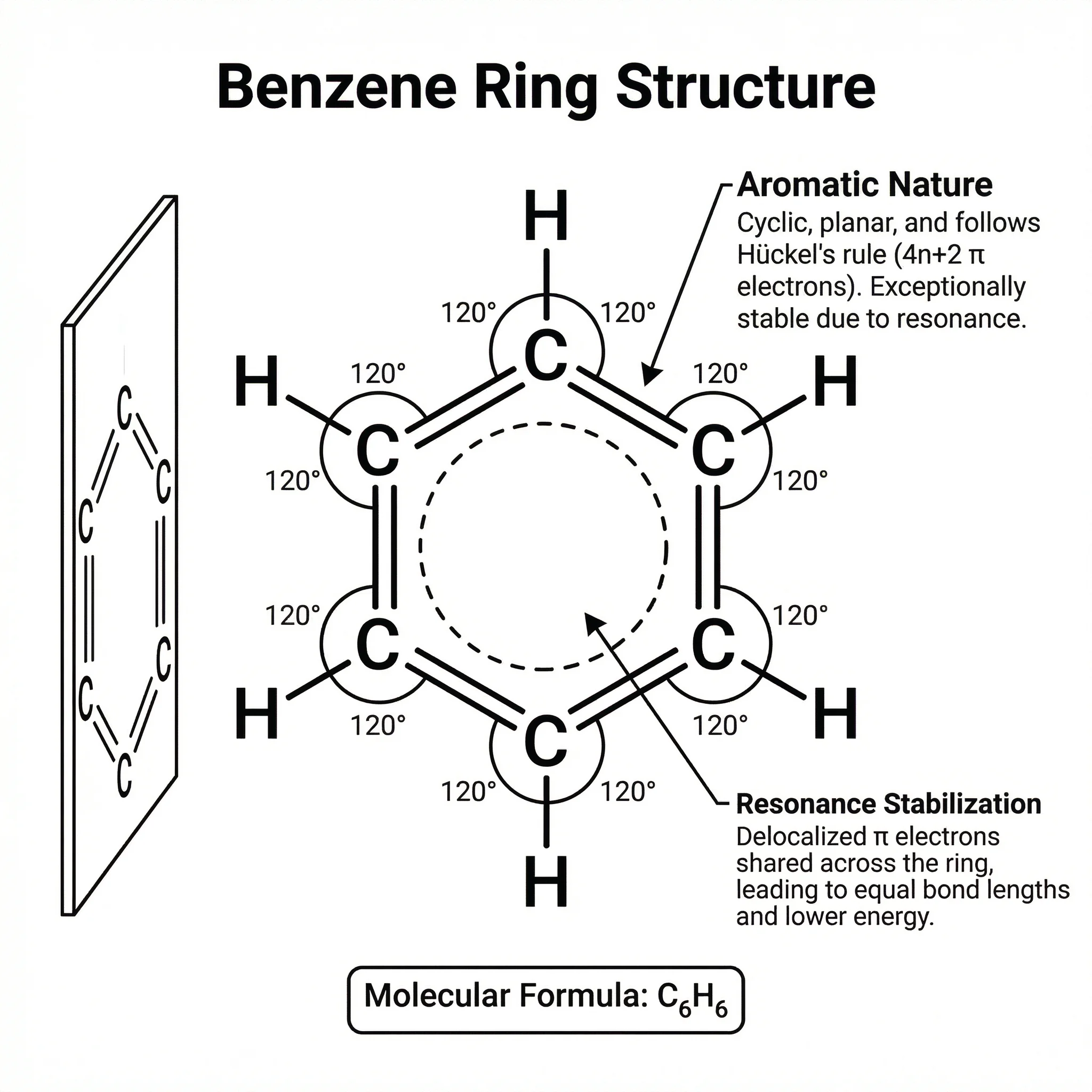 Chemistry
Chemistry Structure Generator
Draw molecular and reaction structures for organic and inorganic chemistry.
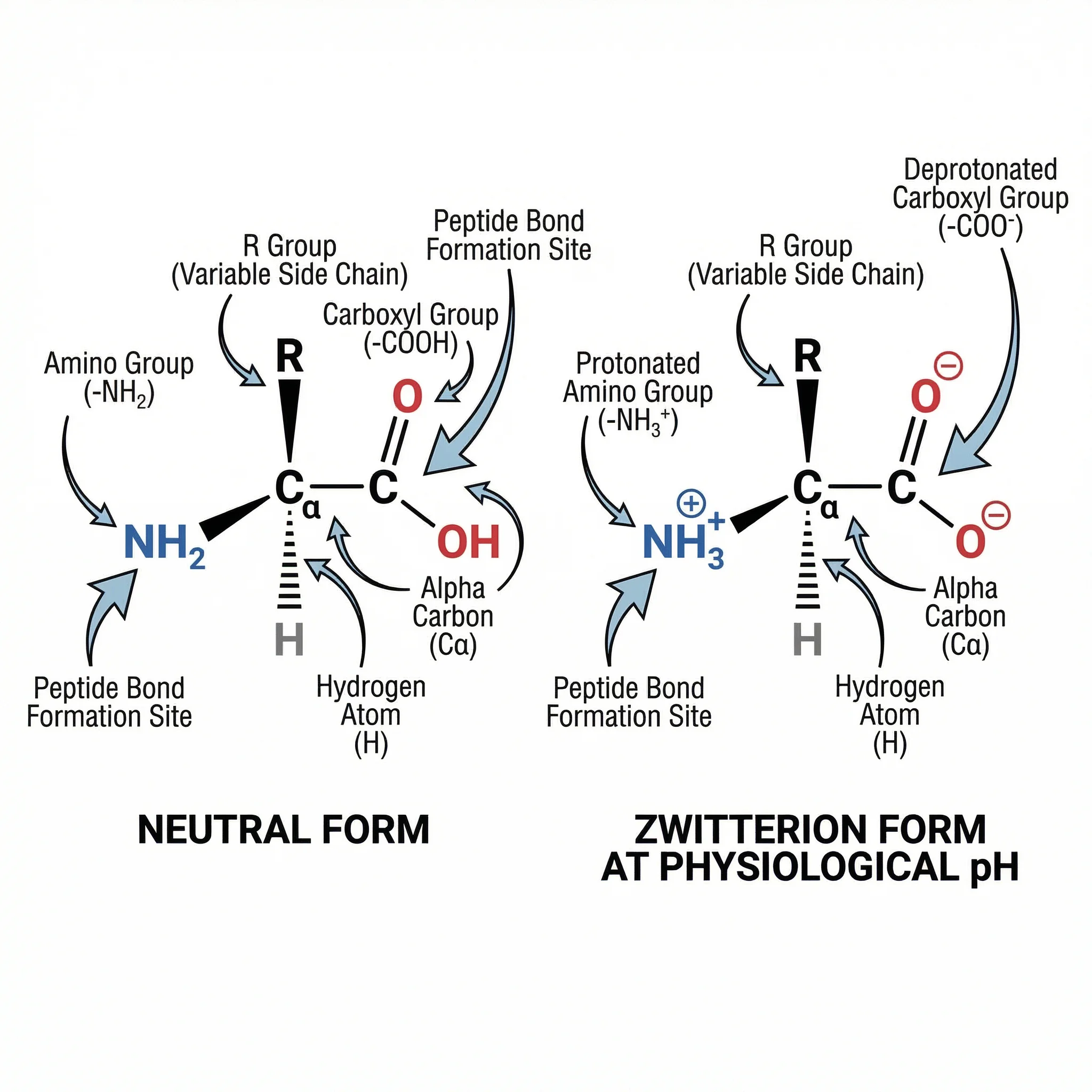 Chemistry
Lewis Dot Structure Generator
Show valence electrons and bonding with clear Lewis dot diagrams.
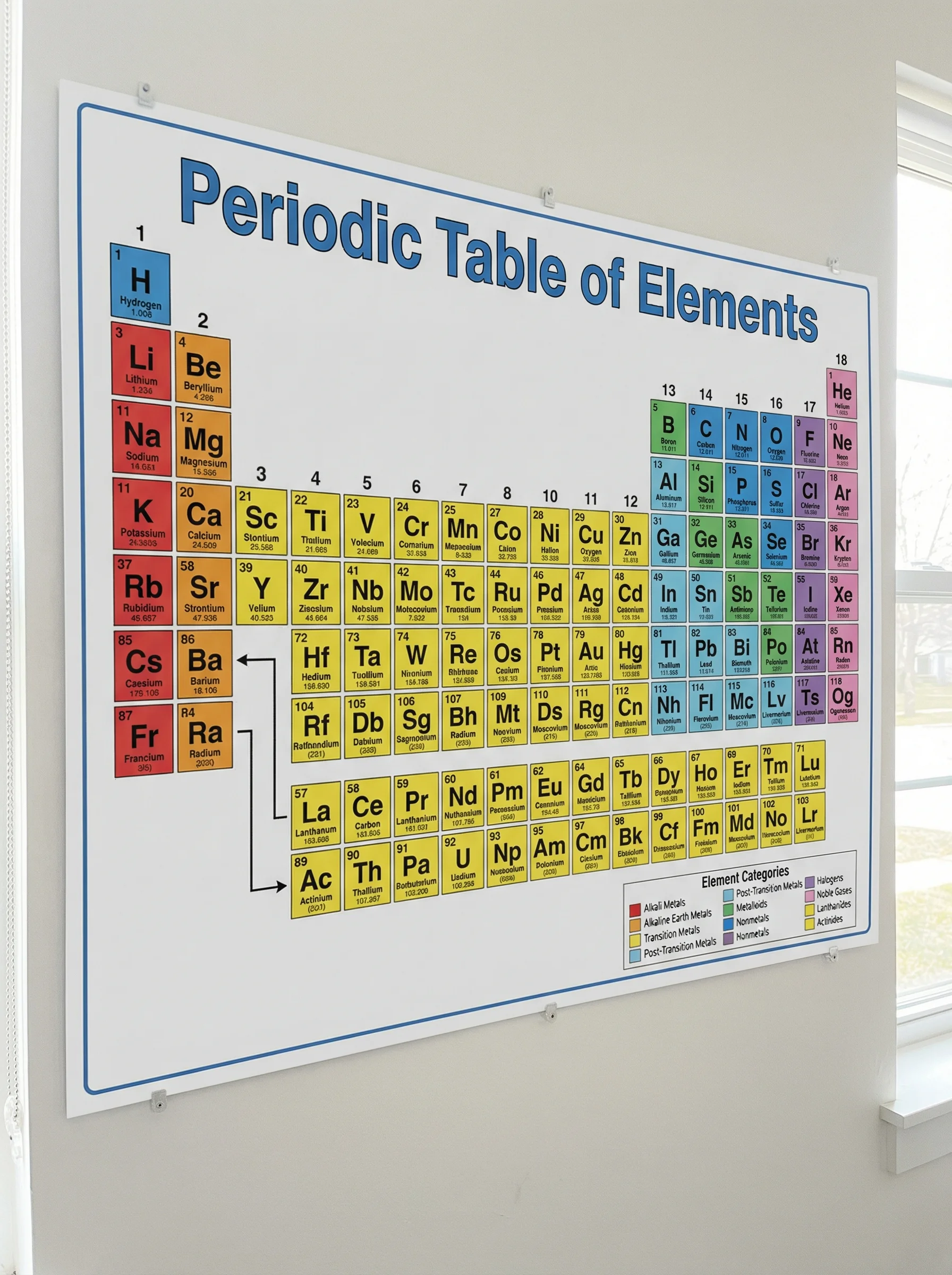 Chemistry
Chemistry Poster Maker
Create periodic tables and chemistry posters for the classroom.