Chemistry Poster Maker for Classrooms & Science Fairs
Free chemistry poster maker: describe a topic — the periodic table, chemical reactions, lab safety, molecules — and AI creates a print-ready science poster in seconds. Perfect for class projects, science fairs, and classroom displays.
Create Your Chemistry Poster
Free to try ·
Your chemistry poster will appear here
Describe your poster and click Generate
Chemistry Poster Examples
Periodic tables, reactions, lab safety, molecules, and science-fair topics
Periodic Table Poster
The classic classroom poster — every element color-coded by group with a clear legend, readable from across the room.
Chemical Reactions & Bonds
A reactions-and-bonding poster: ionic, covalent, and metallic bonds explained side by side with labeled diagrams.
Lab Safety Poster
A high-contrast safety poster with rules, hazard symbols, and PPE — designed to be scanned at a glance on a lab wall.
Molecules & Functional Groups
A molecules poster organizing organic functional groups into a tidy reference grid with formulas and examples.
Science Fair Poster
A concept poster with particle diagrams and phase-change arrows — the kind of clear visual that wins a science fair.
pH Scale Poster
A vivid pH-scale poster placing everyday substances along a 0–14 gradient — easy to read and easy to remember.
What makes a good chemistry poster
A good chemistry poster gets one idea across clearly from across the room. It has a single, obvious title, a strong focal point, and only the information a viewer actually needs — not a wall of text. Color is used to organize, not to decorate: groups of elements, types of bonds, or levels of a pH scale each get their own consistent color so the structure is visible at a glance. Diagrams are labeled, molecules are drawn the same way throughout, and the most important takeaway is the biggest thing on the page. A common mistake is cramming in everything from a topic — every exception, every edge case — until the poster reads like a textbook page rather than a display. The opposite mistake is decoration without information: bright graphics that look nice but teach nothing. The sweet spot is a focused poster that picks one idea, supports it with two or three clear diagrams, and leaves plenty of breathing room. Whether it is for a class project, a science fair board, or a classroom wall, the test is the same: can someone two meters away understand the main point in a few seconds? This maker is built to hit that bar — you describe the topic and it lays out a clean, high-contrast poster with clear hierarchy and readable labels.
Types of chemistry posters you can make
- Periodic table: the all-time classic, with elements color-coded by group and a legend — great for a permanent classroom display.
- Chemical reactions and bonding: ionic, covalent, and metallic bonds, or a reaction map showing substitution, addition, and oxidation with example molecules.
- Lab safety: rules, hazard symbols, and PPE in bold warning colors, designed to be scanned instantly above a lab bench.
- Molecules and functional groups: structural formulas laid out in a reference grid, ideal for organic chemistry revision.
- Elements and trends: a single element profile or the periodic trends — atomic radius, electronegativity, ionization energy — shown with arrows.
- Science-fair topics: states of matter, the pH scale, the water cycle, or your own experiment summarized as one clean visual board.
Design tips: layout, hierarchy, and color
Three things separate a poster that reads well from one that does not. First, hierarchy: pick one title and one headline takeaway, make them the largest elements, and let everything else step down in size from there, so a viewer always knows where to look first. Second, layout: group related content into clear blocks with generous white space, and arrange them so the eye flows in a natural order — usually top-to-bottom or left-to-right, with the title anchored at the top. Crowding is the enemy; if a block feels tight, cut content rather than shrink the type. Third, color and contrast: use a small, consistent palette where color carries meaning (acidic versus basic, metal versus nonmetal) rather than random brightness, and keep dark text on light backgrounds so it stays legible under classroom lighting. Finally, design for distance — use large, sans-serif labels, avoid tiny footnotes, and keep the total amount of text low so the poster works on a wall and not just on a screen. When you write your prompt, naming these things ("strong visual hierarchy", "color-coded by group", "readable from across the room", "clean layout with white space") pushes the AI toward a poster that actually works in the room it is made for.
How to make a chemistry poster with AI
- Describe your topic in plain English — for example "periodic table color-coded by group" or "ionic vs covalent bonding with examples". Name the chemistry, not just "a poster".
- List what to include: the specific elements, reactions, molecules, or safety rules you want shown, plus any title text. The more concrete you are, the more accurate the result.
- Set the look and shape — choose portrait, square, or landscape, and mention a style such as colorful, classroom-friendly, or high-contrast with strong visual hierarchy.
- Generate, then review the labels and chemistry. Refine your prompt and regenerate if anything is off — then download the high-resolution poster, ready to print.
Posters for class projects and science fairs
For a class project or homework, a focused poster on one topic — say the pH scale or a single functional group — turns a written assignment into something you can present and pin up. Pick a topic from the unit you are studying, generate a clear visual for it, and add a short paragraph in your own words explaining what it shows; that combination usually scores better than text alone because it proves you understood the concept well enough to picture it. For a science fair, the board usually needs a clear title, a question or hypothesis, your method and results, and a conclusion; you can generate a polished topic visual for the center of the board and add your own data, charts, and photos around it so the science you actually did stays front and center. For everyday teaching, generated posters make fast, attractive classroom displays and revision aids that you can refresh whenever the topic changes — a new pH-scale poster for the acids unit, a fresh bonding poster for the next. Because each poster comes from a description rather than a fixed template, two students covering the same unit can still produce distinct, original-looking boards — useful when a whole class is making posters at once and you want them to look different.
Printing, sizes, and honest limits
Pick the aspect ratio that matches how you will print: portrait (3:4) suits most A4, A3, and standard poster prints and is the default here; square works for a social post or a smaller display card; landscape suits a wide banner or slide. Generate at the highest quality for the sharpest result, then send the image to a home printer, school printer, or an online poster service — A3 is a good size for a classroom wall, larger for a science-fair board. One honest note: every poster here is AI-generated art, not a verified textbook. It looks polished and is fast to produce, but the model can render chemical symbols, numbers, or labels imperfectly, so always proofread the text and double-check any formulas or facts before you print or present. For anything that must be exactly correct, treat the poster as the visual and verify the chemistry yourself.
Frequently Asked Questions
More Science Tools
 Research
Scientific Poster Generator
Build a full academic research poster with title, methods, results, and figures for a conference or class.
 Research
AI Scientific Image Generator
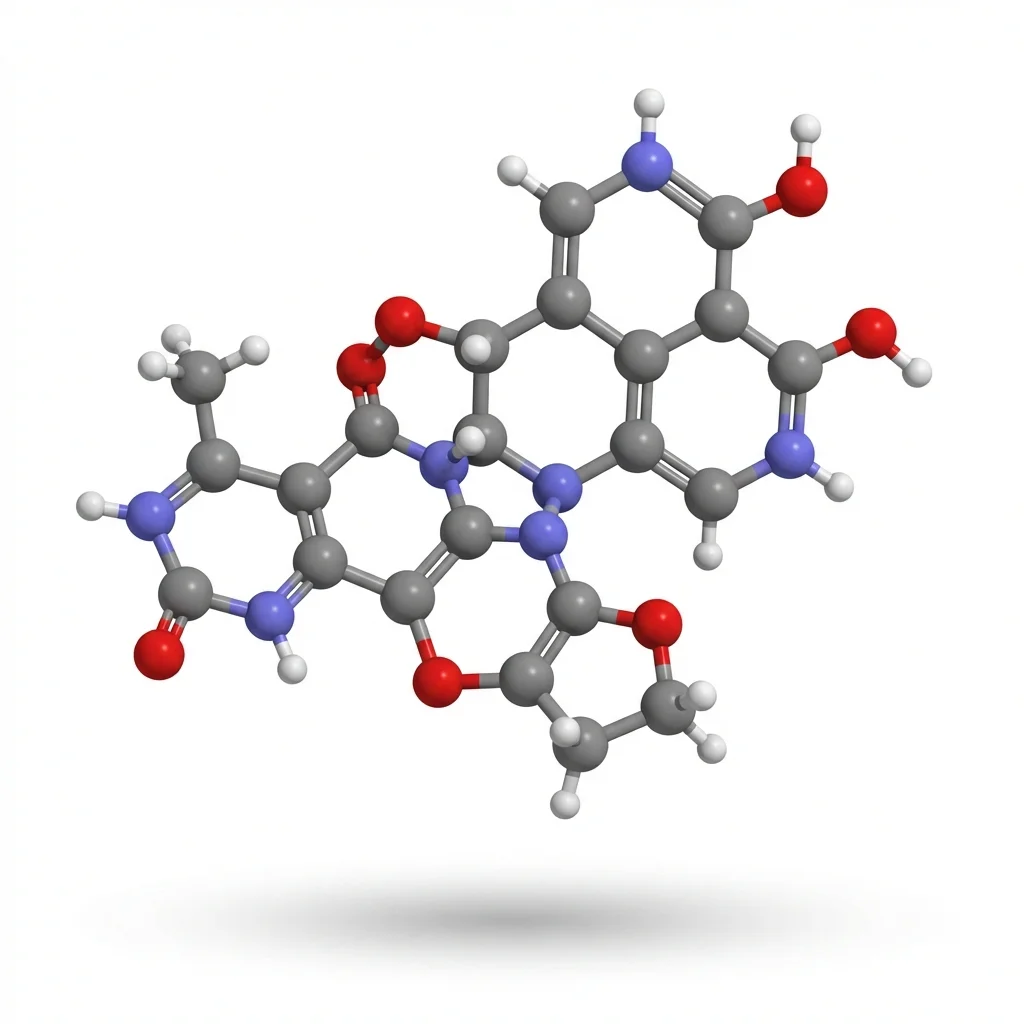
Create molecular structures, lab scenes, and science illustrations from a text description.
 Biology
Phospholipid Diagram Generator
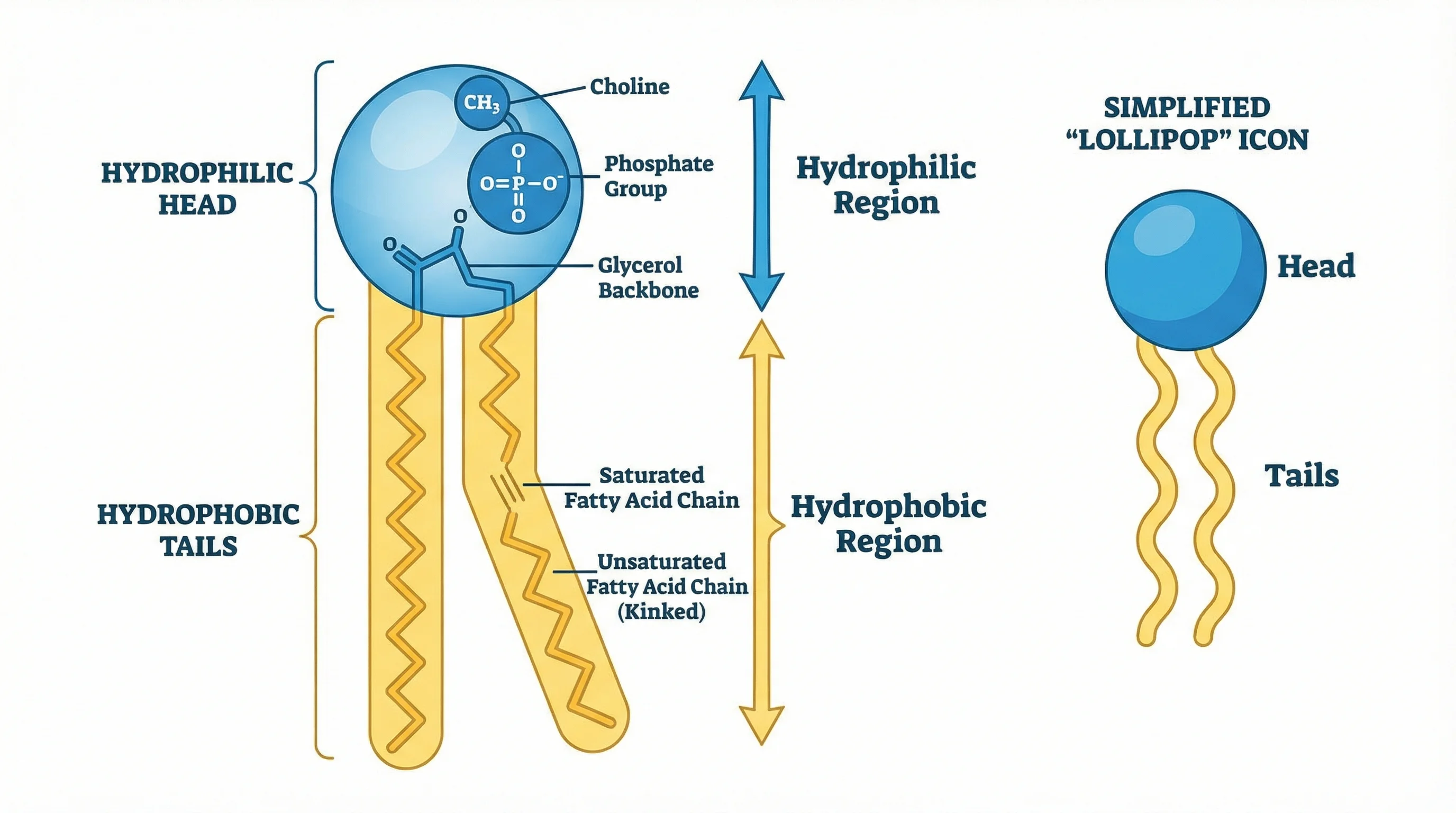
Draw labeled phospholipid and cell-membrane diagrams for biology and biochemistry posters.