What Is a Manuscript in Research? Definition, Types & How to Write One (2026)
A manuscript in research is a formal document presenting original findings for journal publication. Learn the IMRAD structure, 5 manuscript types, manuscript vs paper differences, and a step-by-step writing guide with examples.
A manuscript in research is a formal written document that presents original findings, methodology, and conclusions in a structured format (typically IMRAD) for submission to academic journals. Unlike a published article or informal report, a manuscript is the pre-publication version of your work that undergoes peer review before acceptance.
Whether you're a graduate student preparing your first submission or an experienced researcher refining your approach, this guide covers everything you need to know: manuscript definition, the 5 main types, IMRAD structure, how manuscripts differ from papers and articles, and a step-by-step writing process.
What is a Manuscript in Research? Definition & Meaning
A manuscript in research is a written document that presents original research findings, methodologies, and conclusions in a structured format intended for publication in academic journals or conferences. It represents the formal communication of scientific work to the broader research community.
Unlike informal reports or drafts, a research manuscript follows strict formatting guidelines and undergoes rigorous peer review before publication. It serves as the primary vehicle for sharing new knowledge, validating research methods, and contributing to the advancement of your field.
Key Characteristics of Research Manuscripts
Research manuscripts share several defining features:
- Original contribution: Presents new findings or novel interpretations
- Structured format: Follows established organizational patterns (often IMRAD)
- Peer-reviewed: Undergoes evaluation by experts in the field
- Reproducible methods: Provides sufficient detail for replication
- Evidence-based: Supports claims with data and citations
- Journal-specific: Adheres to target publication's guidelines
Manuscript vs. Article vs. Paper: Understanding the Differences
While these terms are often used interchangeably, they have distinct meanings in academic contexts:
Manuscript refers to the document in its pre-publication or submission stage. It's the version you prepare and submit to journals, which may undergo revisions before final acceptance.
Article typically describes the published version of your work that appears in a journal. Once your manuscript is accepted, edited, and formatted by the publisher, it becomes an article.
Paper is a more general term that can refer to any written academic work, including conference papers, working papers, or published articles. It's less formal and more broadly applicable.
Understanding these distinctions helps you communicate more precisely about your work's status and navigate the publication process effectively.
Structure of a Research Manuscript
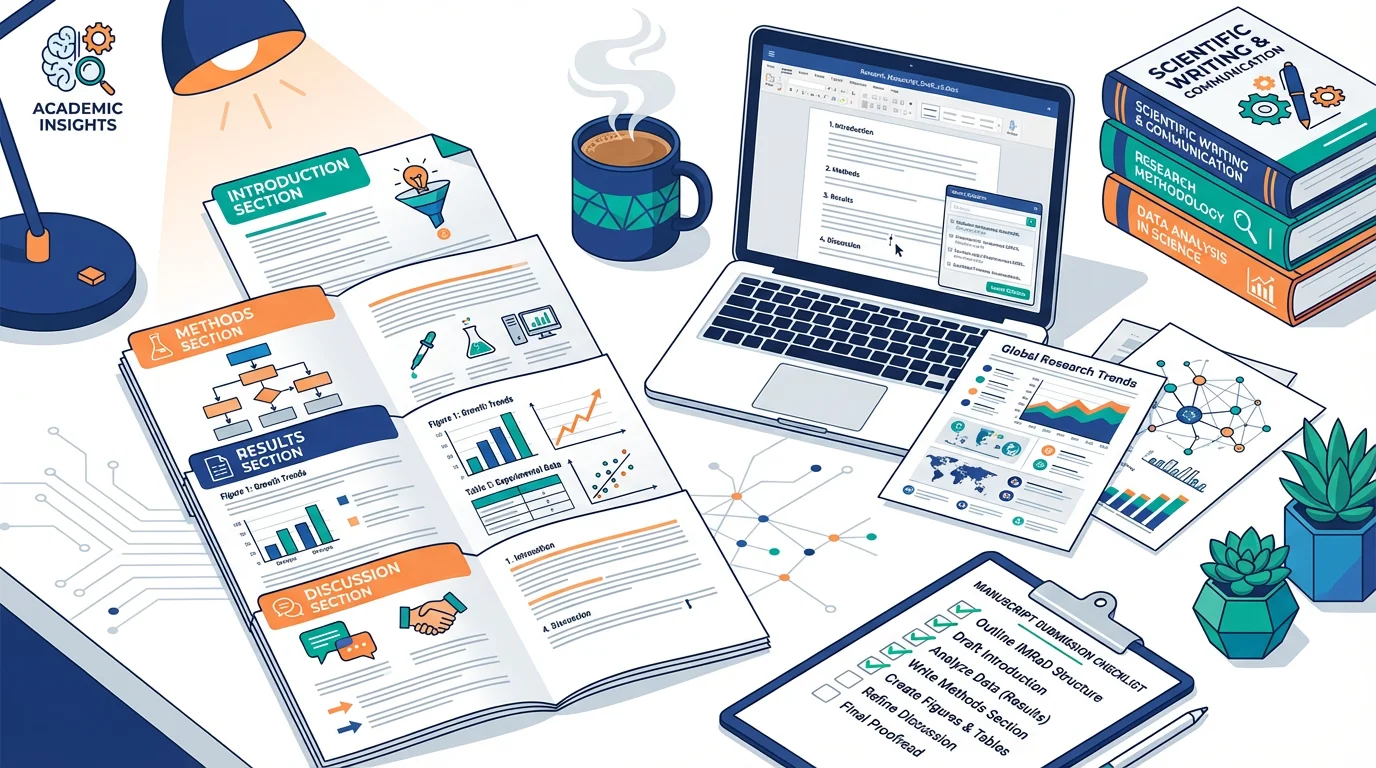
Most research manuscripts follow the IMRAD structure, an acronym for Introduction, Methods, Results, and Discussion. This format has become the standard across scientific disciplines because it presents information logically and facilitates reader comprehension.
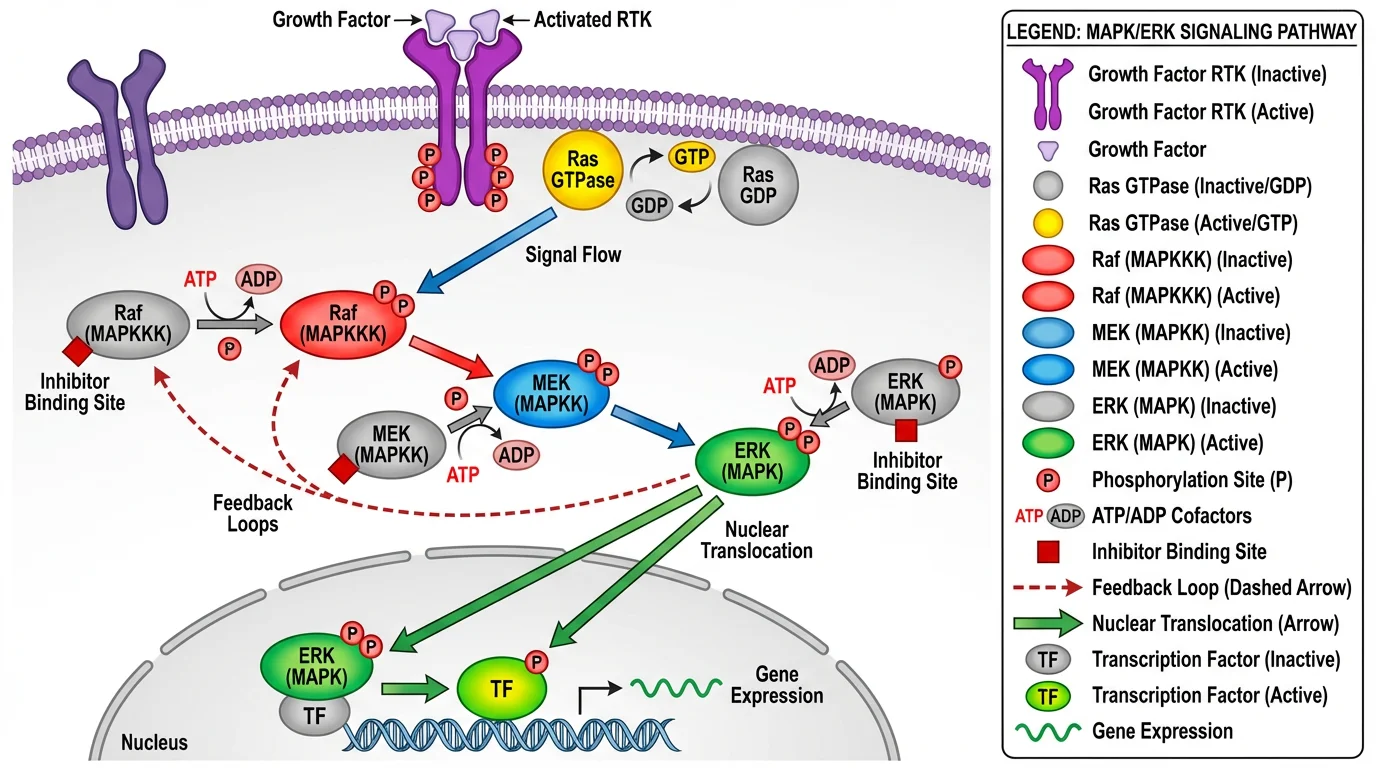
Well-structured research manuscripts present complex information in a logical, easy-to-follow format
Introduction
The introduction sets the stage for your research by:
- Establishing the research problem and its significance
- Reviewing relevant literature to provide context
- Identifying gaps in current knowledge
- Stating your research objectives or hypotheses
- Explaining your study's contribution to the field
A strong introduction moves from general background to specific research questions, creating a clear rationale for your work.
Methods
The methods section describes how you conducted your research with sufficient detail for replication. Include:
- Study design and approach
- Participant selection or sample characteristics
- Materials, instruments, or equipment used
- Data collection procedures
- Analysis techniques and statistical methods
- Ethical considerations and approvals
Transparency in methods strengthens your manuscript's credibility and allows others to build upon your work.
Results
Present your findings objectively without interpretation. This section should:
- Report data in logical sequence
- Use tables and figures to illustrate key findings
- Provide statistical significance where applicable
- Present negative results alongside positive ones
- Avoid redundancy between text and visual elements
Focus on clarity and accuracy, letting the data speak for itself.
Discussion
The discussion interprets your results and places them in broader context:
- Summarize main findings
- Compare results with previous research
- Explain unexpected outcomes
- Acknowledge limitations
- Suggest implications for practice or theory
- Propose directions for future research
This section demonstrates your understanding of how your work fits into the larger research landscape.
Additional Sections
Beyond IMRAD, manuscripts typically include:
- Abstract: A concise summary (150-300 words) of your entire study
- Keywords: Terms that help readers find your work
- References: Complete citations of all sources
- Acknowledgments: Recognition of funding and contributions
- Supplementary materials: Additional data or detailed methods
Types of Research Manuscripts
Different manuscript types serve different purposes in academic communication:
Original Research Articles
These present new empirical findings from experiments, surveys, or observational studies. They form the backbone of scientific literature and typically follow the full IMRAD structure.
Review Articles
Review manuscripts synthesize existing research on a topic, identifying trends, gaps, and future directions. They don't present new data but provide valuable overviews of research areas.
Case Studies
These manuscripts examine specific instances or examples in depth, offering detailed analysis of particular phenomena, interventions, or situations.
Short Communications
Brief reports of preliminary findings or novel observations that don't warrant a full-length article. They allow rapid dissemination of important results.
Methodological Papers
These focus on new research methods, techniques, or analytical approaches, explaining their application and advantages over existing methods.
The Manuscript Preparation Process
Creating a publication-ready manuscript involves several stages:
1. Planning and Organization
Before writing, organize your research materials:
- Compile all data, figures, and references
- Create an outline following your target journal's structure
- Identify your key message and supporting points
- Review the journal's author guidelines thoroughly
2. Writing the First Draft
Focus on getting ideas down without excessive self-editing:
- Start with the section you find easiest (often Methods or Results)
- Write clearly and concisely
- Use active voice where appropriate
- Follow your outline but remain flexible
3. Creating Visual Elements
Develop tables and figures that enhance understanding:
- Design clear, self-explanatory graphics
- Ensure figures are high-resolution and properly labeled
- Use consistent formatting across all visual elements
- Consider using scientific diagram tools for professional visualizations
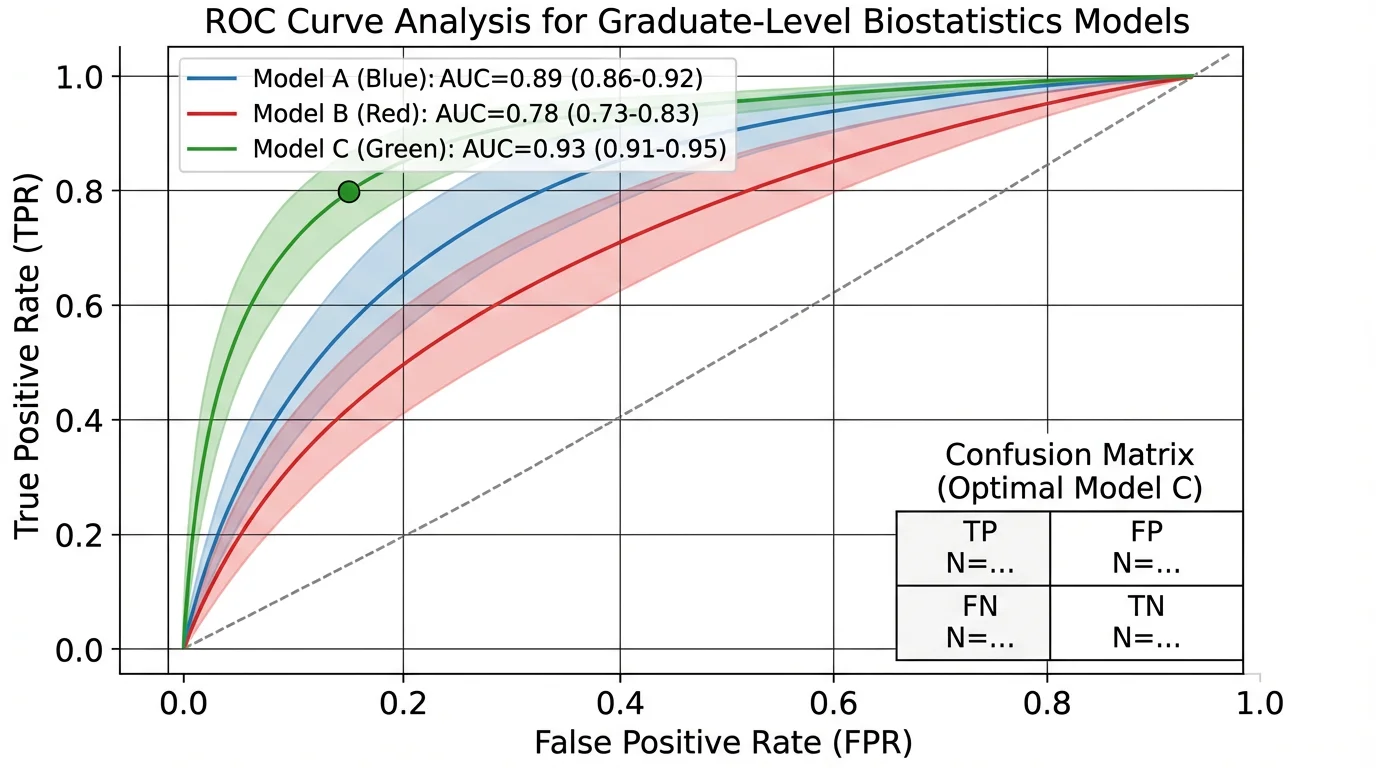
Effective visual elements make complex data more accessible and strengthen your manuscript's impact
4. Revision and Refinement
Improve your draft through multiple revisions:
- Check for logical flow and coherence
- Eliminate redundancy and wordiness
- Verify accuracy of all data and citations
- Ensure consistency in terminology and formatting
- Have colleagues review your manuscript
5. Final Formatting
Prepare your manuscript according to journal specifications:
- Apply required citation style (APA, MLA, Chicago, etc.)
- Format references correctly
- Adjust margins, fonts, and spacing
- Prepare supplementary files
- Complete submission forms and cover letters
Common Manuscript Writing Challenges
Researchers frequently encounter these obstacles:
Structural Issues
Many writers struggle with organizing complex information logically. Solution: Create detailed outlines and use subheadings to guide readers through your argument.
Clarity and Conciseness
Academic writing often becomes unnecessarily complex. Solution: Write for clarity first, using simple language and short sentences where possible.
Data Presentation
Choosing between tables, figures, and text can be challenging. Solution: Use visuals for complex data patterns and text for simple comparisons.
Literature Integration
Balancing your voice with cited sources requires skill. Solution: Use citations to support your arguments, not replace them.
Revision Fatigue
Multiple revisions can feel overwhelming. Solution: Take breaks between revision rounds and focus on different aspects in each pass.
Manuscript Submission and Peer Review
Understanding the submission process helps set realistic expectations:
Selecting a Target Journal
Choose journals based on:
- Scope and audience alignment with your research
- Impact factor and reputation in your field
- Open access vs. subscription model preferences
- Publication timeline and acceptance rates
- Previous publications of similar work
Preparing for Submission
Before submitting:
- Read recent issues to understand the journal's style
- Follow formatting guidelines precisely
- Prepare a compelling cover letter
- Suggest potential reviewers if requested
- Disclose any conflicts of interest
The Peer Review Process
After submission, your manuscript typically undergoes:
- Initial screening: Editors assess fit and quality
- Peer review: Experts evaluate your work anonymously
- Decision: Accept, revise, or reject
- Revision: Address reviewer comments if requested
- Final decision: Acceptance or rejection after revisions
This process can take 3-12 months depending on the journal and field.
Responding to Reviewer Comments
When revising:
- Address every comment systematically
- Explain your changes clearly in a response letter
- Provide justification if you disagree with suggestions
- Maintain professional tone throughout
- Track changes in your revised manuscript
Best Practices for Manuscript Writing
Follow these guidelines to strengthen your manuscripts:
Start Early
Begin writing while conducting research, not after completion. This helps identify gaps and refine your approach.
Know Your Audience
Write for readers in your field, assuming appropriate background knowledge while explaining specialized concepts clearly.
Maintain Objectivity
Present findings impartially, acknowledging limitations and alternative interpretations.
Use Precise Language
Choose specific terms over vague descriptions. Define technical terms and use them consistently.
Cite Appropriately
Give credit to previous work while avoiding excessive citations that disrupt flow.
Seek Feedback
Share drafts with colleagues, mentors, or writing groups before submission.
Follow Guidelines Meticulously
Journal requirements aren't suggestions - they're requirements. Non-compliance can lead to desk rejection.
Tools and Resources for Manuscript Writing
Leverage these resources to improve your writing:
Reference Management
- Zotero, Mendeley, or EndNote for organizing citations
- Citation style guides for proper formatting
Writing and Editing
- Grammarly or ProWritingAid for grammar checking
- Hemingway Editor for readability improvement
- LaTeX or Word templates from target journals
Visual Creation
- ConceptViz AI tools for creating scientific diagrams and figures
- GraphPad Prism or R for statistical graphics
- BioRender for biological illustrations
Collaboration
- Google Docs or Overleaf for collaborative writing
- Track Changes in Word for revision management
- Slack or Teams for team communication
Manuscript Writing for Different Disciplines
While IMRAD provides a general framework, different fields have specific conventions:
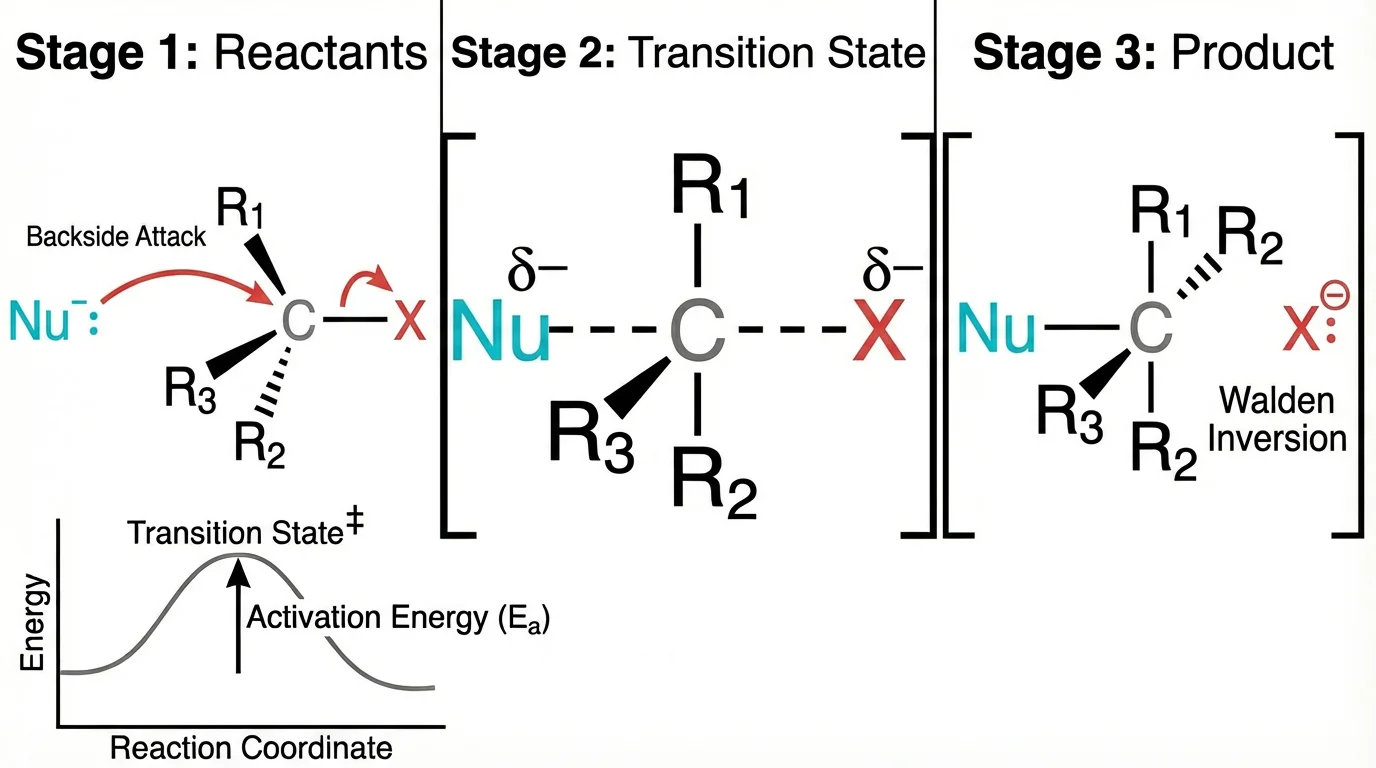
Different disciplines require tailored approaches to manuscript writing - chemistry manuscripts often include detailed reaction mechanisms
Life Sciences
Emphasize experimental design, controls, and statistical analysis. Include detailed protocols and ethical approvals.
Social Sciences
Focus on theoretical frameworks, qualitative methods, and contextual interpretation. Discuss social implications thoroughly.
Engineering
Highlight technical specifications, performance metrics, and practical applications. Include detailed diagrams and schematics.
Humanities
Emphasize critical analysis, theoretical perspectives, and textual interpretation. Use extensive citations and close reading.
Understanding your discipline's expectations ensures your manuscript meets field-specific standards.
Conclusion
Writing a research manuscript is a complex but learnable skill that improves with practice and feedback. By understanding manuscript structure, following best practices, and leveraging available tools, you can effectively communicate your research to the academic community.
Remember that manuscript writing is iterative - even experienced researchers revise extensively. Focus on clear communication of your research's significance, methods, and findings. With persistence and attention to detail, you'll develop manuscripts that contribute meaningfully to your field.
Ready to enhance your research communication? Create compelling figures that strengthen your manuscripts and engage readers effectively.
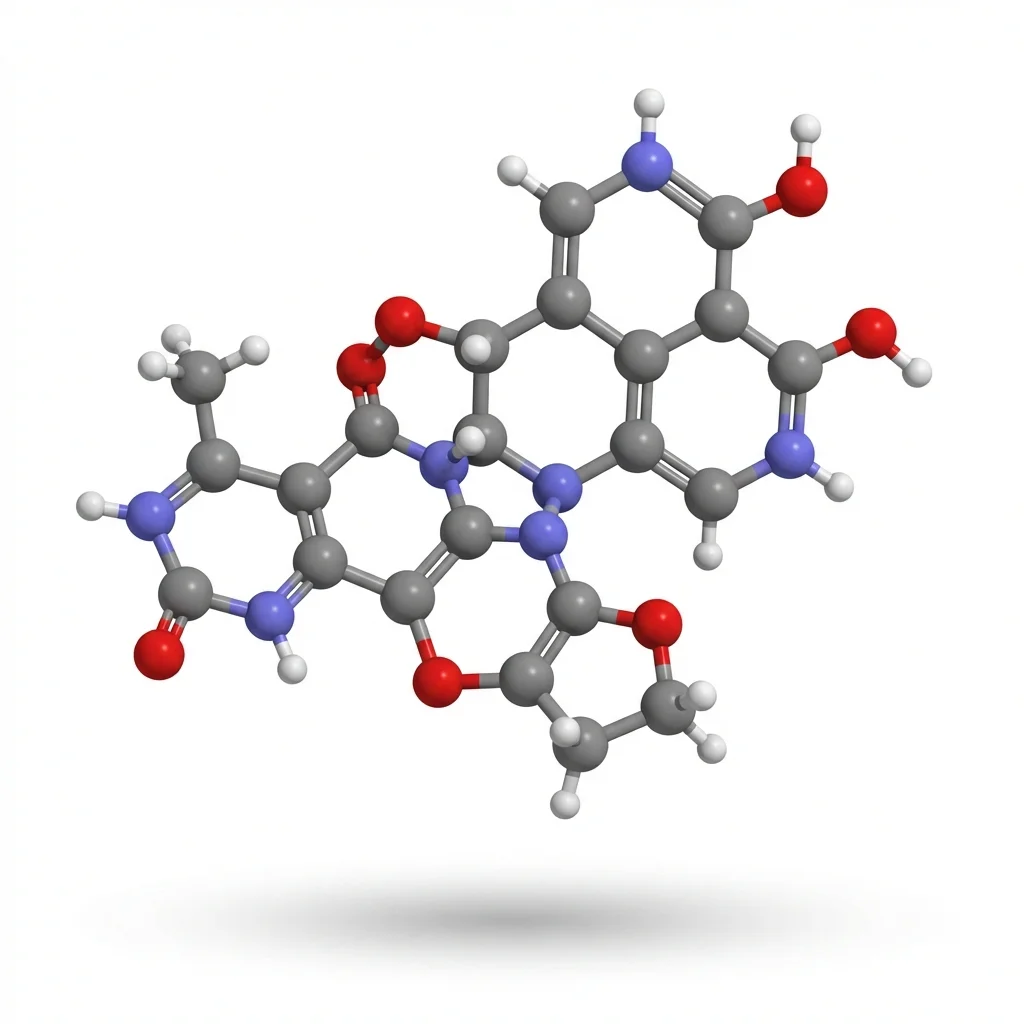
AI Scientific Image Generator
Create publication-quality scientific figures with AI. Perfect for research manuscripts.
Try it free →Related Articles:
分类
更多文章
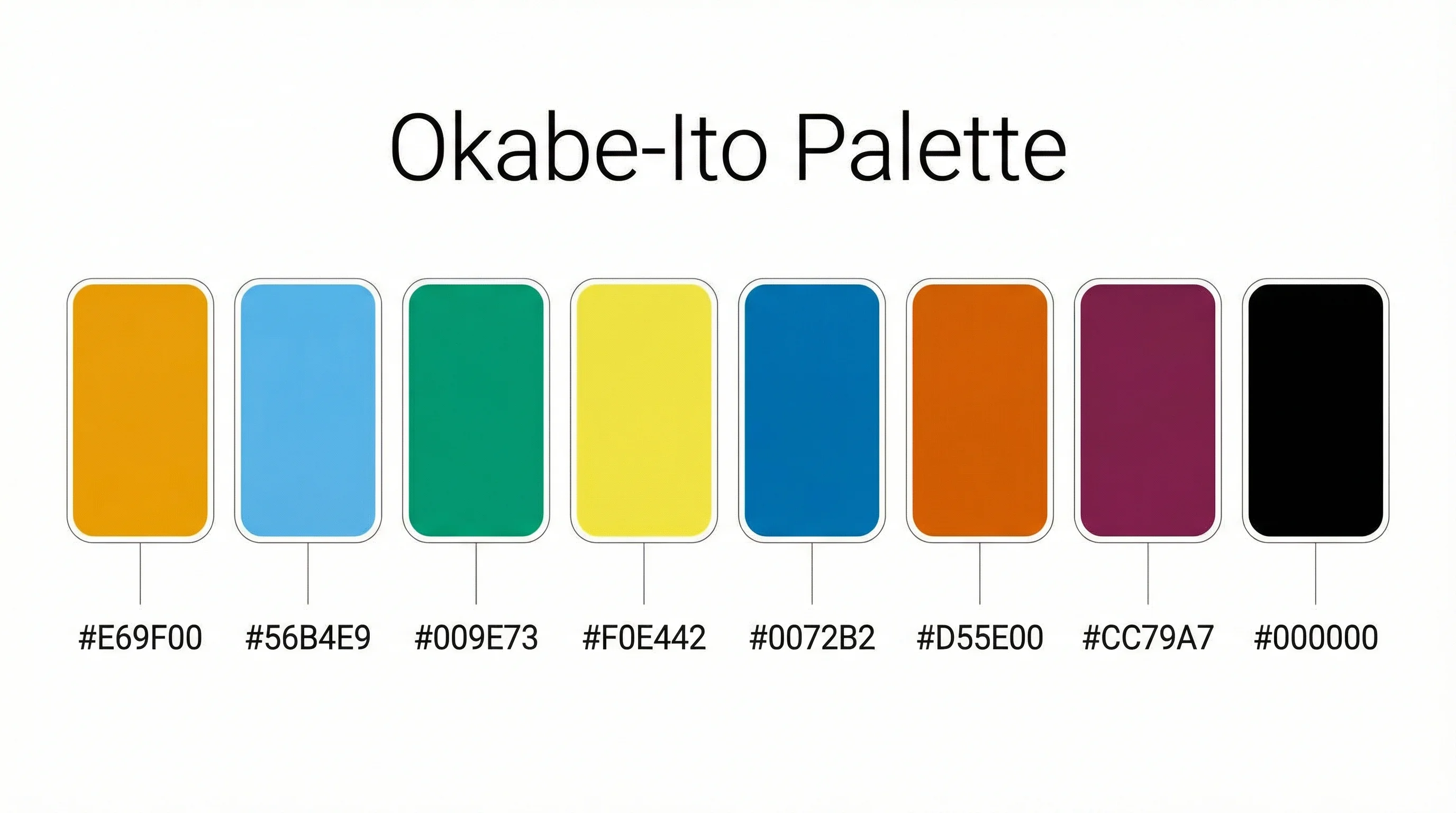
Okabe-Ito Palette Hex Codes for Python, R & CSS
Copy all 8 Okabe-Ito palette hex codes with RGB values and ready-to-use Python, R, MATLAB and CSS snippets for colorblind-safe scientific figures.
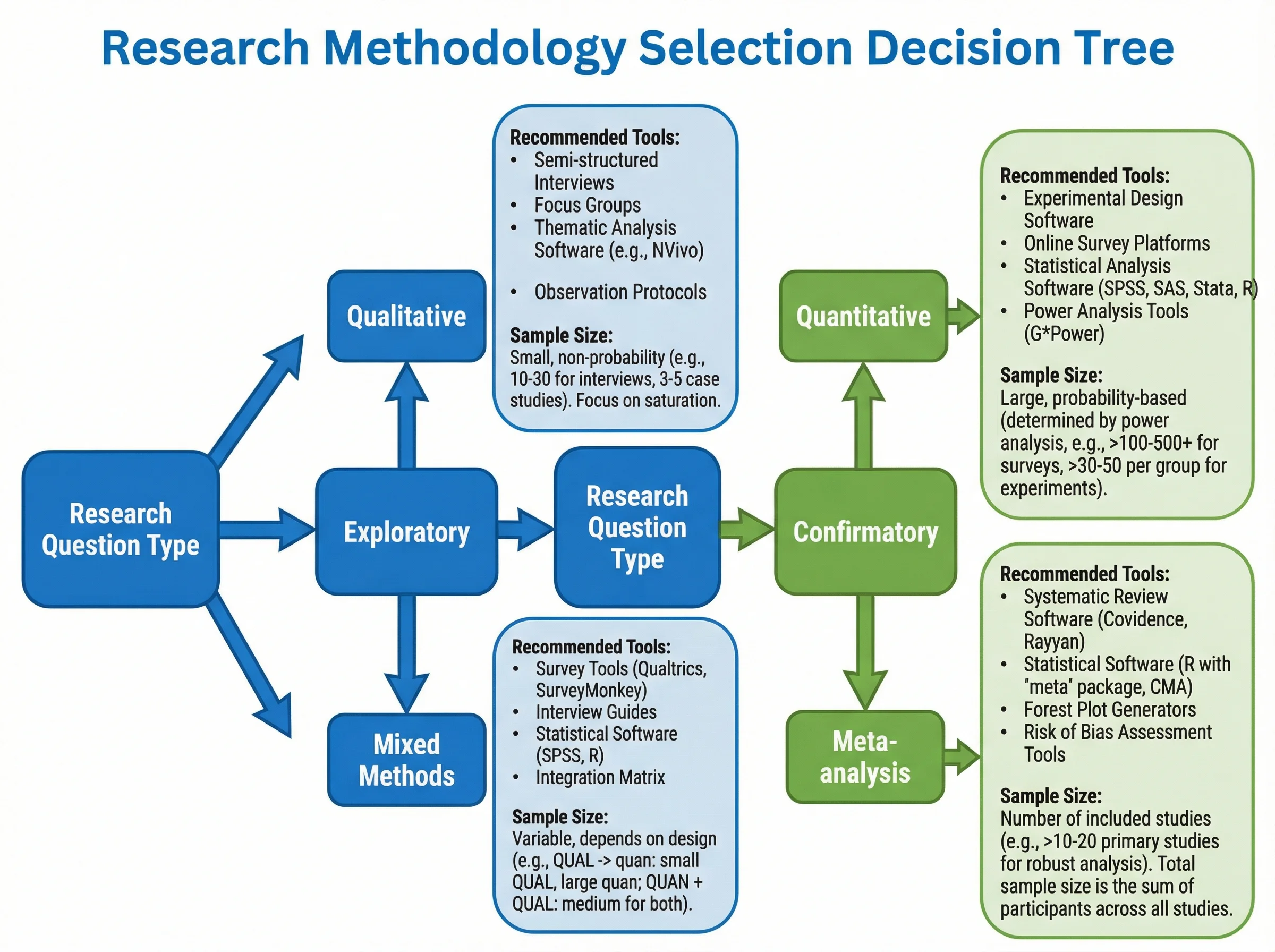
How to Create a Tree Diagram: 5 Types, Examples & Free AI Generator (2026)
Learn how to create tree diagrams for probability, decisions, org charts, and more. Step-by-step guide with real examples — plus a free AI tree diagram maker.
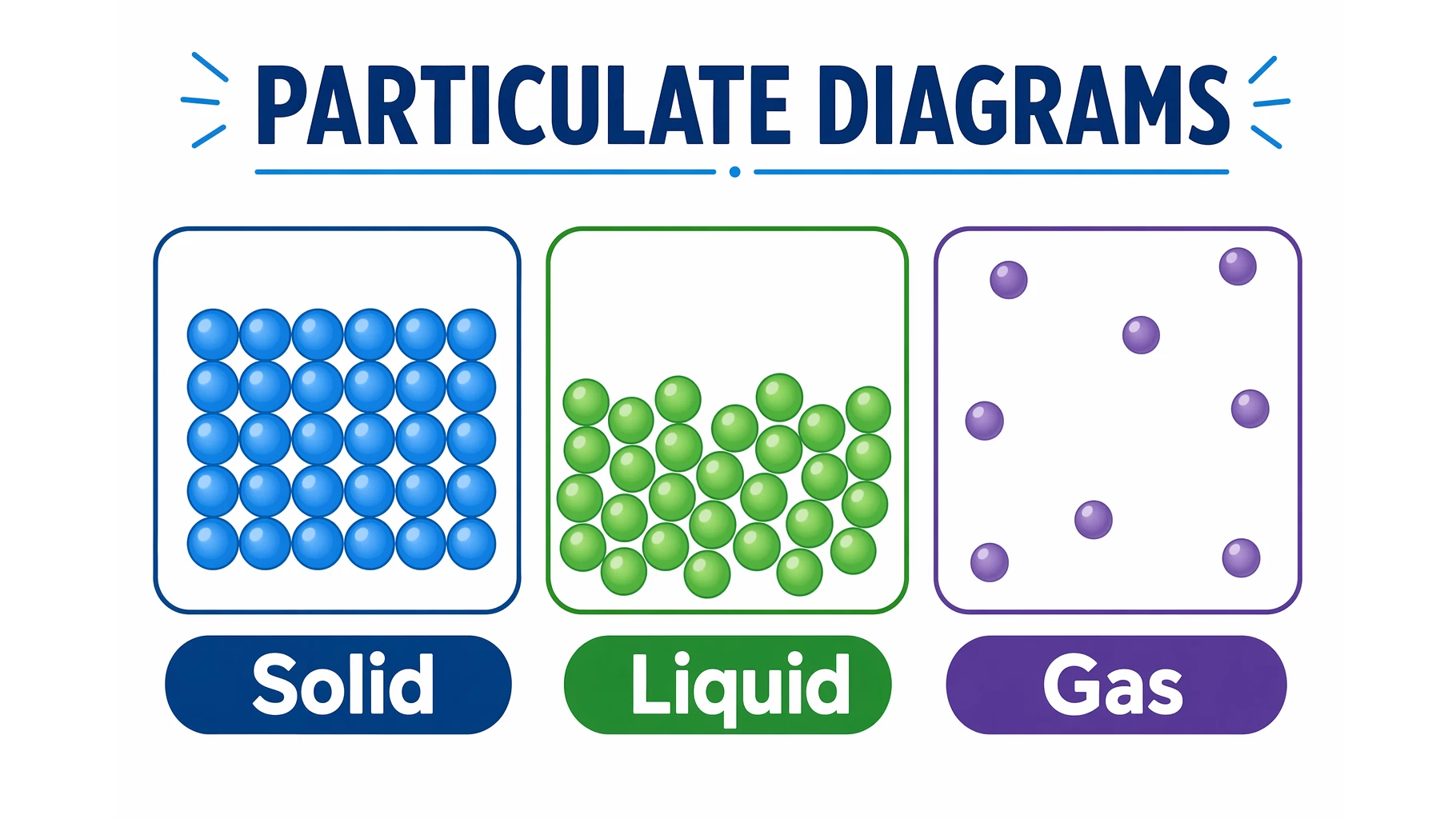
What Is a Particulate Diagram? Particle Models Explained
A particulate diagram shows matter as individual particles. Learn how particle diagrams represent solids, liquids, gases, elements, compounds, and mixtures, with examples.