Organic Functional Groups Chart Structures, Suffixes & Priority
Free functional groups chart with 25 organic groups: structures, formulas, IUPAC suffixes and priority order. Filter, compare, print or download.
Showing 25 of 25 groups. Priority numbers follow the IUPAC 2013 order among the groups listed here; the groups without a number are never written as a suffix.
Click a group to open its structure, suffix and example.
Carboxylic acid
- General formula
- R–COOH
- Characteristic group
- –COOH
- Suffix
- -oic acid (chain), -carboxylic acid (ring or attached carbon)
- Prefix
- carboxy
- IUPAC 2013 P-41
- Class 7a, priority #1
- Example
- acetic acid (ethanoic acid), C2H4O2
The most senior suffix group. Its carbon is always numbered C1 in a chain, so the acid carbon never needs a locant.
Looking for the infrared peak of this group? See the IR spectroscopy table.
Free Functional Groups Charts
Every chart below is drawn from the same data as the tool above. View, download and print them free, no sign-up.
Functional Groups Chart by IUPAC Priority
All 25 groups in IUPAC 2013 order, from carboxylic acid to the prefix-only halides and nitro group.
Reference charts
Naming rules
Practice sheets
What is a functional group?
A functional group is a small set of atoms inside an organic molecule that decides how the molecule reacts and how it is named. The carbon chain is the frame, and the functional group is the part that does the chemistry. An alcohol has an O–H group, a ketone has a C=O group between two carbons, and an amine has a nitrogen with a lone pair. Two molecules with the same functional group usually react in the same way, which is why chemistry courses teach the groups first and the individual compounds afterwards. This chart lists 25 groups in five families: hydrocarbons, oxygen, nitrogen, sulfur and halogen compounds. R stands for a carbon group such as methyl or ethyl, and R′ is a second, possibly different, carbon group.
How the IUPAC priority order works
- When a molecule has more than one functional group, IUPAC names it after the most senior one. That group is written as the suffix at the end of the name, and every other group becomes a prefix. The order of seniority is Table 4.1 of the 2013 Blue Book (rule P-41): carboxylic acid, sulfonic acid, anhydride, ester, acid halide, amide, nitrile, aldehyde, ketone, alcohol or phenol, thiol, amine, imine.
- The numbers on this chart count only the groups shown here, so #1 is the carboxylic acid and #13 is the imine. A few classes that appear in the full table, such as hydrazides, imides and hydroperoxides, are left out to keep the chart readable. Alcohols and phenols share one class in the 2013 recommendations, so both carry #10.
- Ethers, sulfides and epoxides are never written as a suffix. They are named from a parent hydride, and an ether appears in the name as an alkoxy prefix such as methoxy. Alkenes and alkynes show up as the endings -ene and -yne inside the chain name, and halogens and the nitro group are prefixes only.
Naming a molecule with two functional groups
- Find every functional group and rank them with the table. Choose the longest chain that holds the senior group, and number it so that group gets the lowest locant. Write the senior group as the suffix, add the other groups as prefixes in alphabetical order, and put the locants in front.
- For example, a chain with a hydroxyl group and a carboxylic acid is named as the acid, with hydroxy as a prefix. A chain with a ketone and an alcohol takes the suffix -one, because the ketone outranks the alcohol, and the alcohol becomes hydroxy. The Which wins? tab above gives the answer for any pair of groups on this chart.
Reading the chart and the examples
Each card shows the general structure of a group, its formula, the suffix used when it is the senior group and the prefix used when it is not. The example molecules are small ones that contain only that group, so you can see the group on its own: acetic acid for the carboxylic acid, propan-2-one for the ketone, nitromethane for the nitro group. Structures are drawn as skeletal formulas with a single bond length, and every example formula was checked against its structure by software. Infrared absorptions are not repeated here; for the peak position of a group, use the IR spectroscopy table linked in the group details. Priority and suffixes follow the IUPAC Blue Book 2013, and a few older textbooks differ, for instance by using mercapto where IUPAC now uses sulfanyl, so follow your own course when it says otherwise.
Frequently Asked Questions
Related Chemistry Tools
 Chemistry
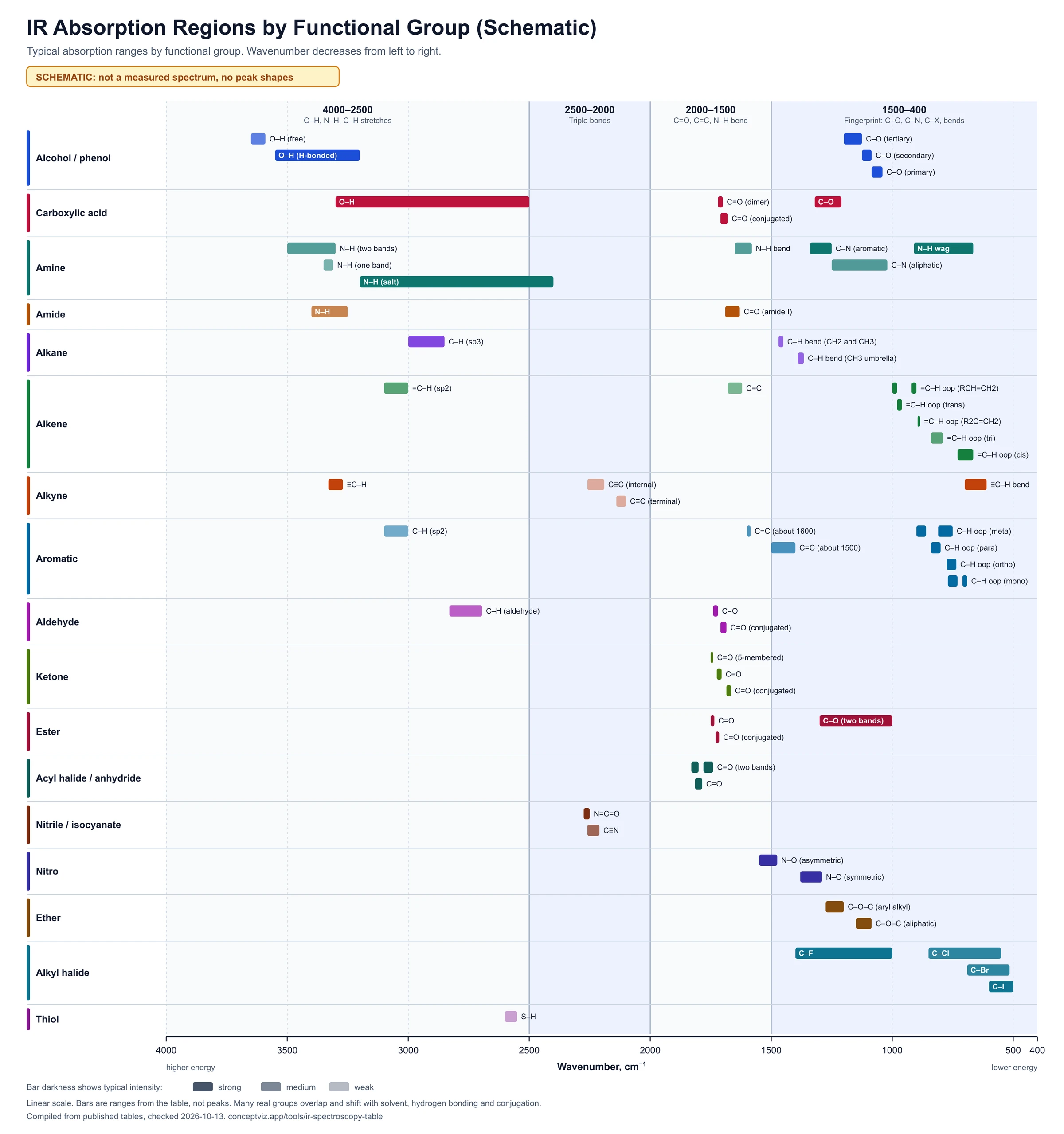
IR Spectroscopy Table
IR absorption table with 61 functional group peaks in cm-1, region map and practice sheets.
 Chemistry
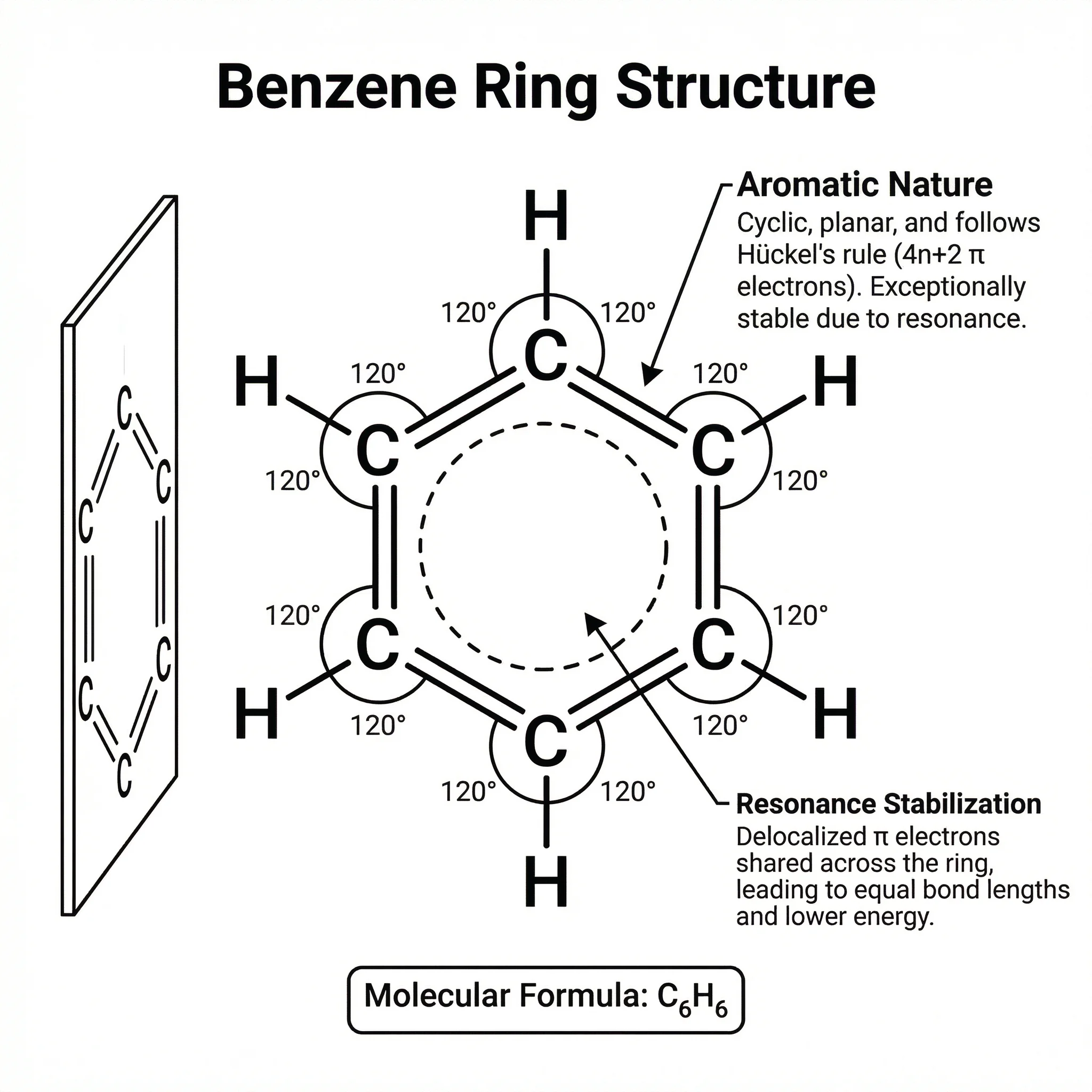
Chemistry Structure Generator
Create molecular structures and chemical diagrams for reports and worksheets.
 Biology
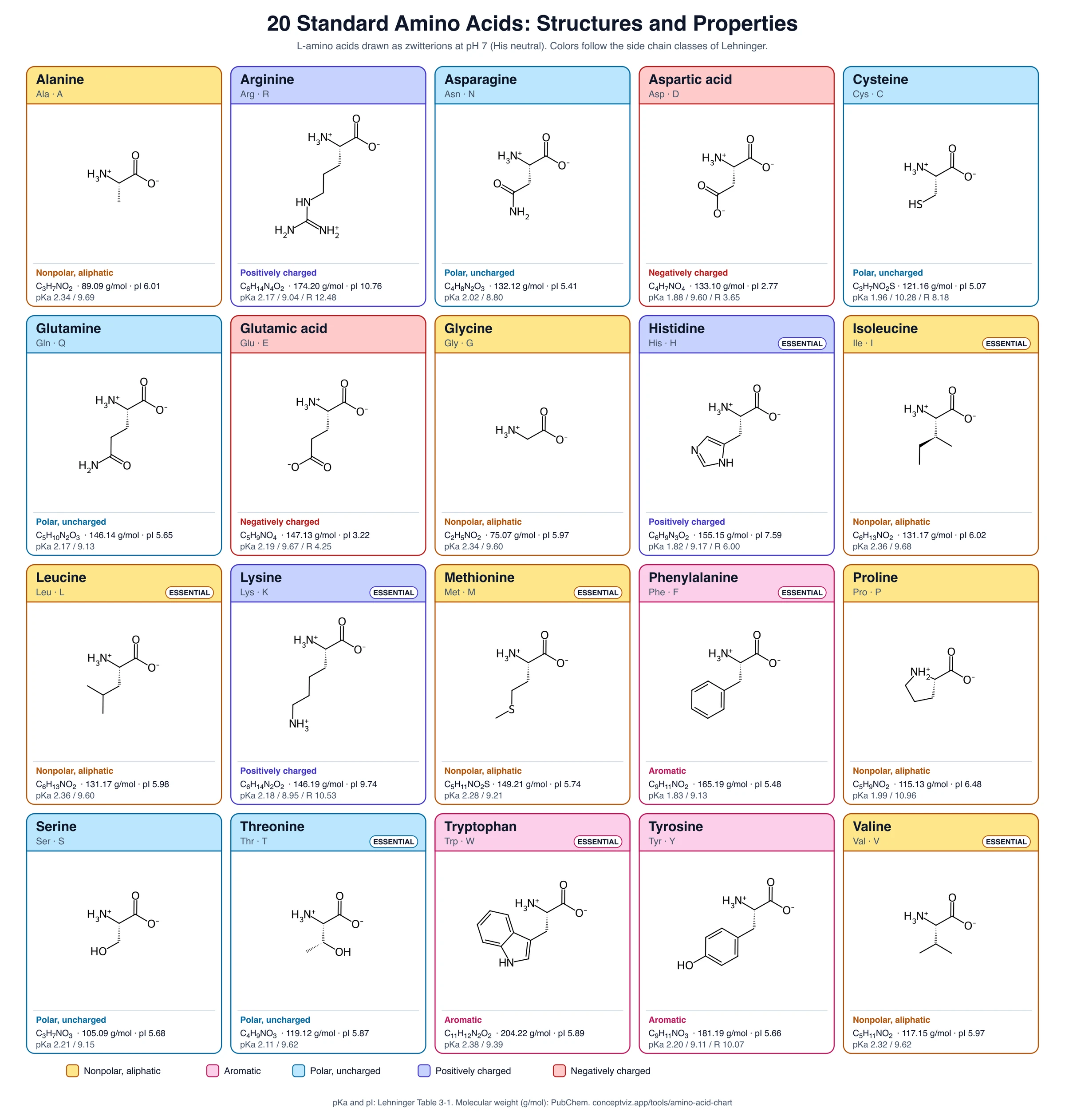
Amino Acid Chart
All 20 amino acid structures at pH 7 with names, codes, pKa, pI and essential amino acids.
 Chemistry
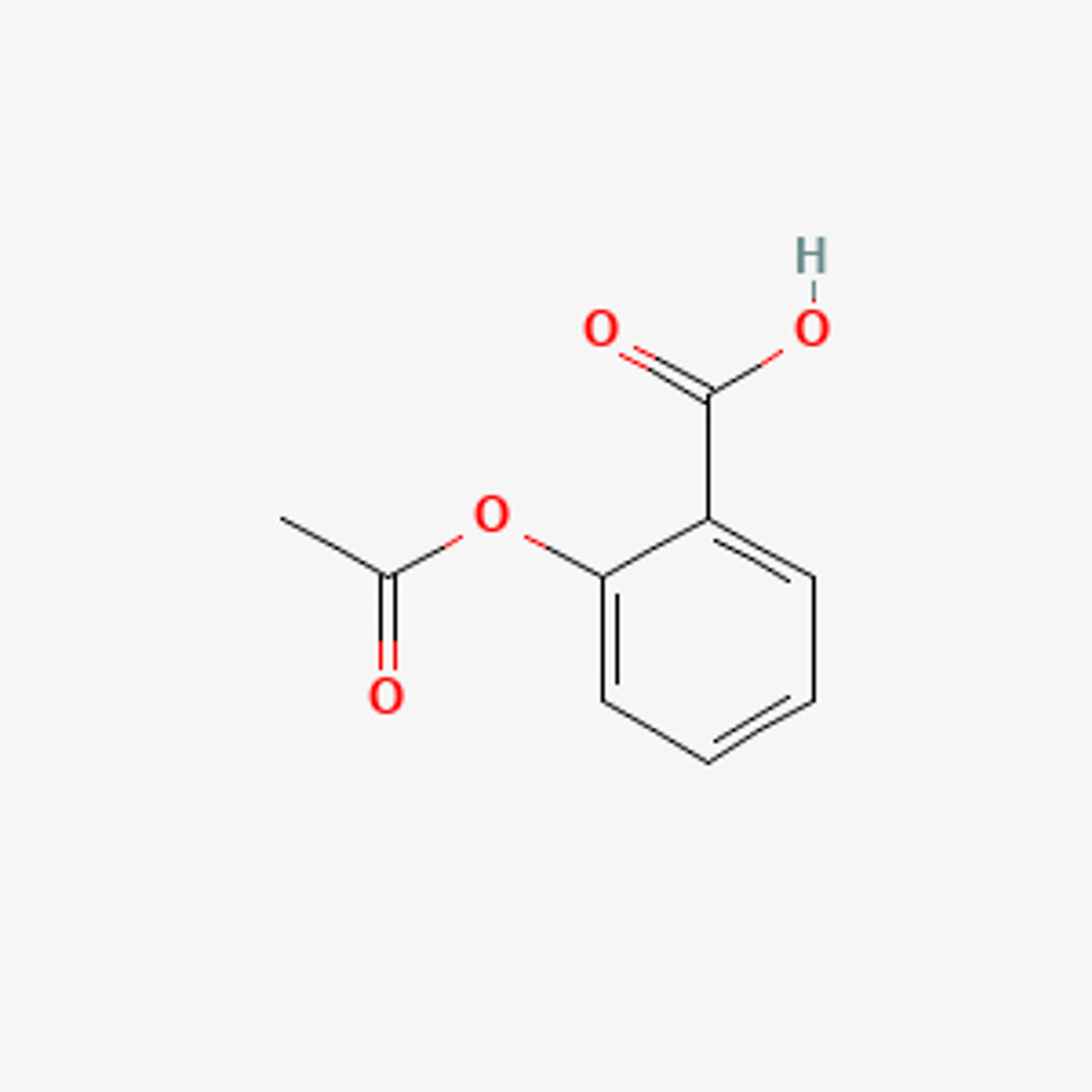
Molecule Generator from Description
Generate molecule structure diagrams from names, formulas or plain-English descriptions.