Krebs Cycle Diagram Krebs Cycle
Describe the Krebs cycle diagram you need and our AI will create it instantly. Perfect for biochemistry courses, exam preparation, and research presentations.
Krebs Cycle Diagram Generator
Free to try ·
Your Krebs cycle diagram will appear here
Describe your diagram and click Generate
Krebs Cycle Diagram Examples
Browse citric acid cycle diagram examples or generate your own above
Complete Labeled Krebs Cycle
Complete Krebs cycle (citric acid cycle) diagram with all 8 enzymatic steps, intermediates, and energy carriers clearly labeled.
Simplified Krebs Cycle Overview
Simplified overview of the Krebs cycle emphasizing major inputs (acetyl-CoA, NAD+, FAD) and outputs (NADH, FADH2, ATP, CO2).
Krebs Cycle with Enzymes
Detailed Krebs cycle focusing on the 8 enzymes that catalyze each step, with regulatory enzymes highlighted.
Energy Carrier Focus Diagram
Krebs cycle diagram focused on energy carrier production, showing exactly where NADH, FADH2, and ATP are generated.
Krebs Cycle in Mitochondria Context
Krebs cycle positioned within the mitochondrial matrix, showing its connection to the electron transport chain and cellular respiration.
Blank Krebs Cycle for Quiz
Blank Krebs cycle worksheet template with numbered empty boxes for students to fill in substrates, enzymes, and products.
What is the Krebs Cycle?
The Krebs cycle, also known as the citric acid cycle or tricarboxylic acid (TCA) cycle, is a series of eight enzymatic reactions that occur in the mitochondrial matrix of eukaryotic cells. Discovered by Hans Krebs in 1937, this metabolic pathway is the central hub of cellular respiration, connecting carbohydrate, fat, and protein metabolism. The cycle oxidizes acetyl-CoA (derived from pyruvate, fatty acids, or amino acids) to produce CO2, while generating high-energy electron carriers NADH and FADH2 that feed into the electron transport chain for ATP production. Each complete turn of the cycle processes one acetyl group (2 carbons) and regenerates oxaloacetate to accept the next acetyl-CoA.
The 8 Steps of the Krebs Cycle
- Step 1: Citrate synthase combines acetyl-CoA (2C) with oxaloacetate (4C) to form citrate (6C), releasing CoA
- Step 2: Aconitase converts citrate to isocitrate through a dehydration-rehydration reaction
- Step 3: Isocitrate dehydrogenase oxidizes isocitrate to alpha-ketoglutarate (5C), producing NADH and releasing CO2
- Step 4: Alpha-ketoglutarate dehydrogenase converts alpha-ketoglutarate to succinyl-CoA (4C), producing NADH and releasing CO2
- Step 5: Succinyl-CoA synthetase converts succinyl-CoA to succinate, producing GTP (or ATP) via substrate-level phosphorylation
- Step 6: Succinate dehydrogenase oxidizes succinate to fumarate, producing FADH2 (the only enzyme embedded in the inner membrane)
- Step 7: Fumarase hydrates fumarate to form malate
- Step 8: Malate dehydrogenase oxidizes malate to regenerate oxaloacetate, producing the third NADH of the cycle
Key Molecules and Energy Output
Each turn of the Krebs cycle produces 3 NADH, 1 FADH2, 1 GTP (equivalent to ATP), and 2 CO2. Since each glucose molecule yields 2 acetyl-CoA (via pyruvate decarboxylation), the cycle turns twice per glucose, producing a total of 6 NADH, 2 FADH2, and 2 GTP. The key intermediates include citrate (6C), isocitrate (6C), alpha-ketoglutarate (5C), succinyl-CoA (4C), succinate (4C), fumarate (4C), malate (4C), and oxaloacetate (4C). The electron carriers NADH and FADH2 donate their electrons to the electron transport chain, ultimately driving oxidative phosphorylation to produce approximately 30-32 ATP per glucose molecule.
Connection to the Electron Transport Chain
The Krebs cycle is tightly coupled to the electron transport chain (ETC) located in the inner mitochondrial membrane. NADH donates electrons to Complex I, while FADH2 donates electrons to Complex II (succinate dehydrogenase, which is also a Krebs cycle enzyme). As electrons pass through the ETC complexes, protons are pumped across the inner membrane, creating a proton gradient that drives ATP synthase. Each NADH yields approximately 2.5 ATP, and each FADH2 yields approximately 1.5 ATP through oxidative phosphorylation. Without the ETC to regenerate NAD+ and FAD, the Krebs cycle would stall due to lack of electron acceptors.
Classroom and Study Applications
- Biochemistry courses: Master the complete pathway with all enzymes, substrates, and regulatory mechanisms
- Biology exams: Use labeled diagrams to memorize intermediates and energy carrier production points
- Medical education: Understand metabolic disorders linked to Krebs cycle enzyme deficiencies
- Blank diagram worksheets: Test knowledge with fill-in-the-blank cycle templates
- Comparative metabolism: Study how the cycle connects to gluconeogenesis, amino acid synthesis, and fatty acid metabolism
- Research presentations: Create publication-quality diagrams for papers and poster sessions
Frequently Asked Questions
More Biology Visualization Tools
BiologyPhylogenetic Tree Maker
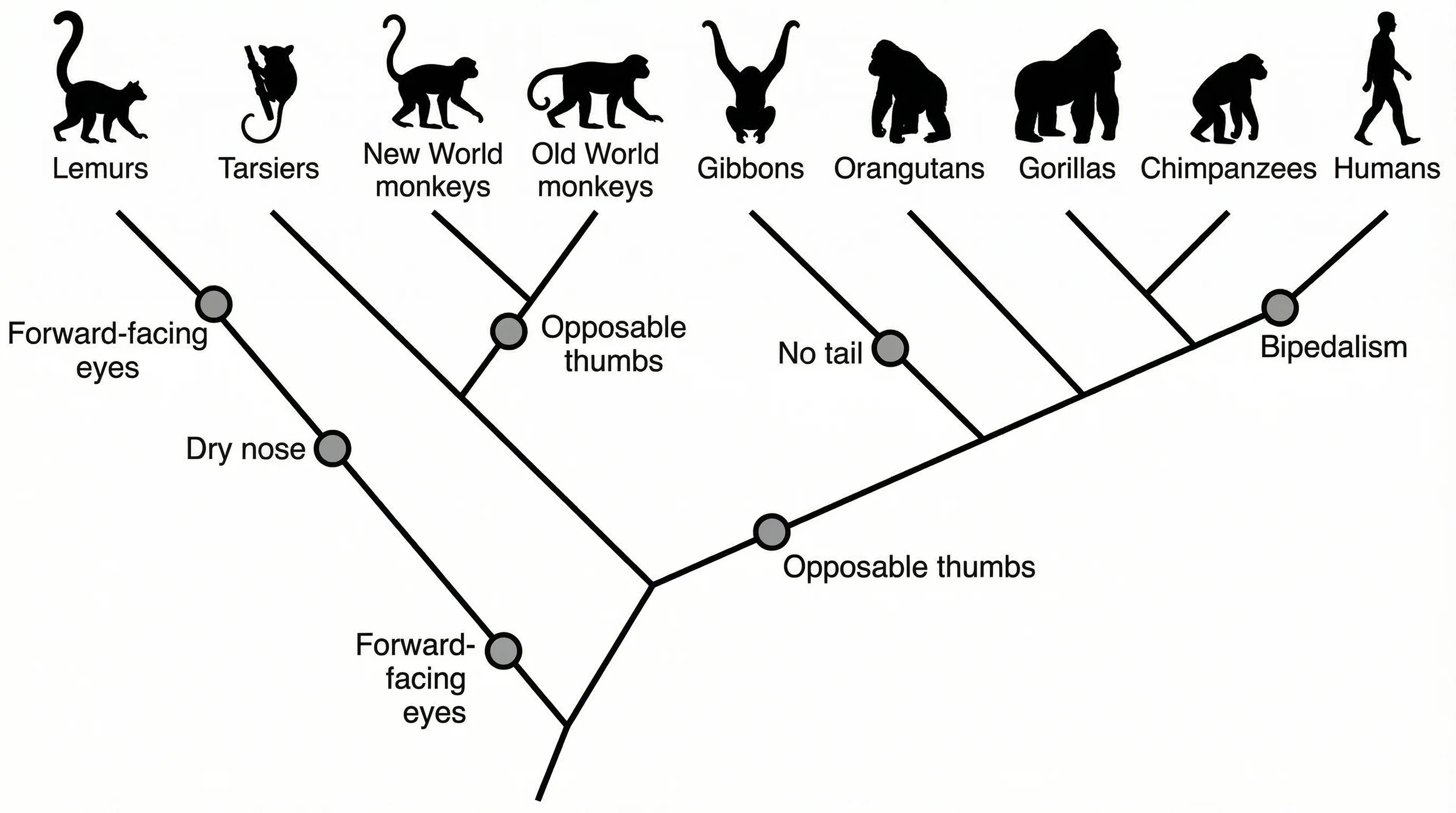
Create evolutionary phylogenetic trees showing species relationships and divergence.
BiologyFood Web Generator
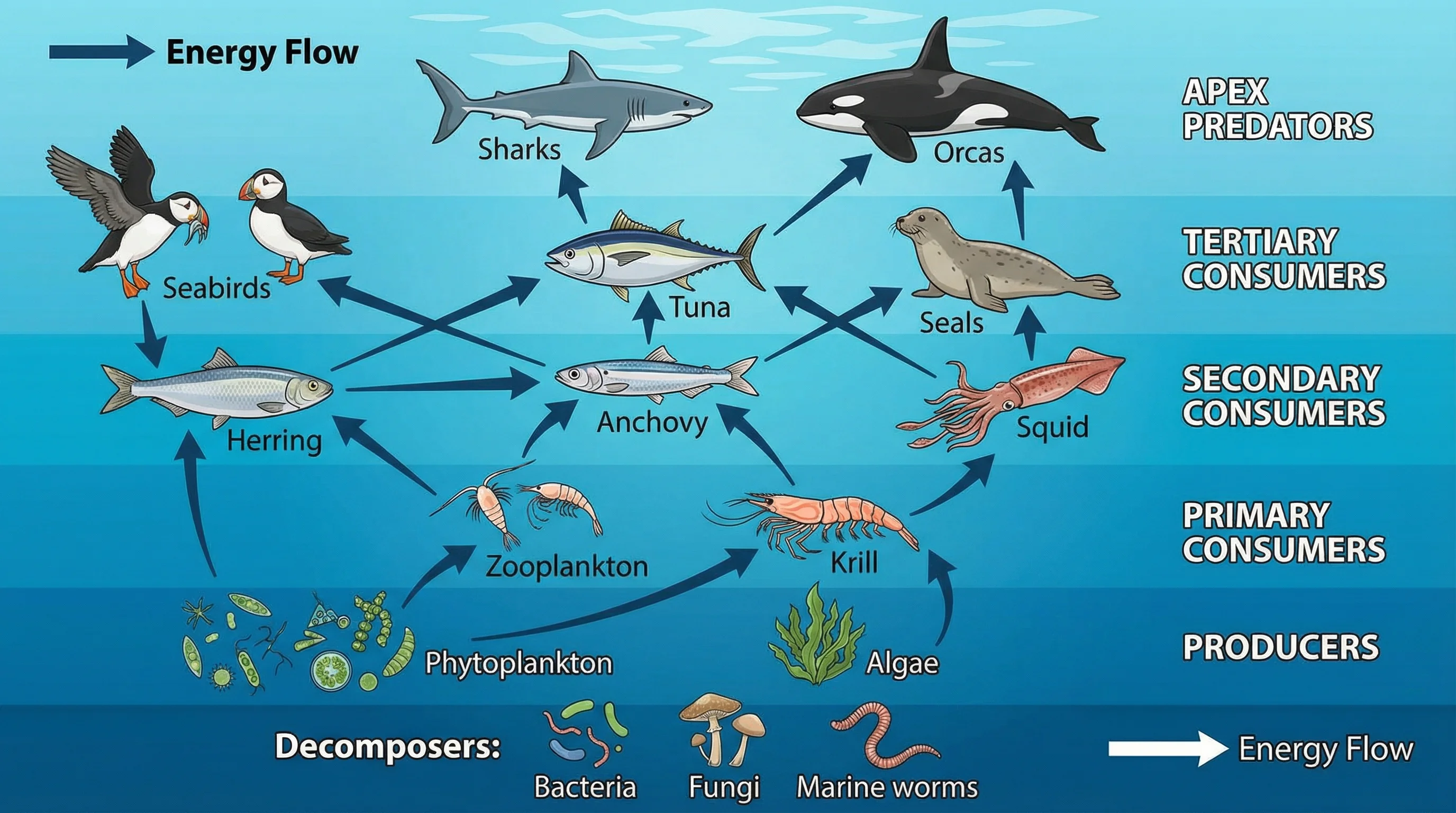
Build food web diagrams showing trophic levels and energy flow in ecosystems.
BiologyPedigree Chart Maker
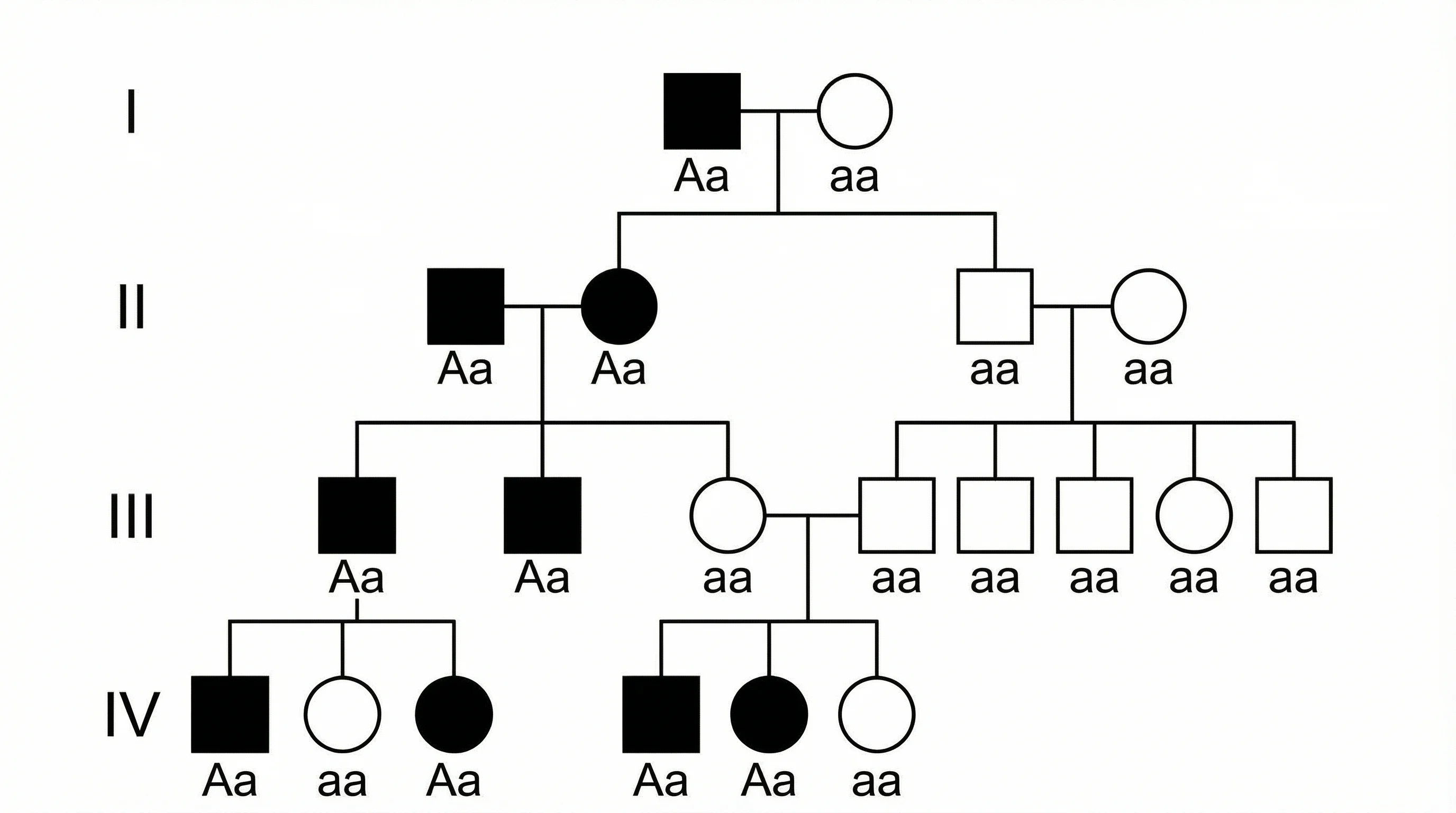
Generate pedigree charts for tracking genetic traits across generations.