Dichotomous Key Maker Dichotomous Keys
Describe the organisms or items you want to classify, and our AI will create a professional dichotomous key instantly. Perfect for biology classes, field identification, and taxonomy activities.
Dichotomous Key Generator
Free to try ·
Your dichotomous key will appear here
Describe the items to classify and click Generate
Dichotomous Key Examples
Browse dichotomous key examples from different subjects or generate your own above
Leaf Identification Key
A branching dichotomous key that guides students through identifying common tree leaves based on shape, margin type, and venation pattern.
Animal Classification Key
A step-by-step dichotomous key that classifies animals into vertebrates and invertebrates, then into specific classes using observable characteristics.
Rock & Mineral Identification Key
A geology dichotomous key that classifies rocks and minerals using physical properties such as hardness, luster, streak, and crystal structure.
Insect Identification Key
An entomology dichotomous key that identifies common insect orders based on wing structure, mouthparts, and metamorphosis type.
Tree Identification Key
A field guide-style dichotomous key for identifying common trees using bark, leaf arrangement, branching pattern, and seed characteristics.
Flower Identification Key
A botany dichotomous key that guides identification of common wildflowers using petal number, flower symmetry, and inflorescence structure.
4 more examples available
Sign in for free to unlock all example diagrams and generate your own 4k custom diagrams.
What is a Dichotomous Key?
A dichotomous key is a tool used in biology and other natural sciences to identify organisms, minerals, or other items through a series of paired, contrasting statements. The word "dichotomous" comes from the Greek word meaning "divided into two parts." At each step, the user chooses between two mutually exclusive options (couplets) that progressively narrow down the identification until a single answer is reached. Dichotomous keys are among the most widely used classification tools in field biology, taxonomy, and science education because they provide a systematic, repeatable method for identification that anyone can follow.
How to Use a Dichotomous Key
- Start at the first couplet (pair of statements) and observe the specimen carefully before making a choice
- Read both options in each couplet completely before deciding which description best matches your specimen
- Follow the branch indicated by your choice to the next couplet or to a final identification
- Continue selecting between paired statements until you reach a terminal endpoint with a species or group name
- If you reach an identification that seems wrong, go back and re-examine earlier couplets where you may have made an incorrect choice
- Use multiple specimens when possible to account for natural variation within a species
How to Create a Dichotomous Key
Building a dichotomous key requires careful observation and logical organization. First, gather a list of organisms or items to classify and identify all observable characteristics that distinguish them. Sort these characteristics by how broadly they divide the group: start with features that split the collection roughly in half. Write each step as a pair of contrasting statements (a couplet) using clear, measurable language rather than subjective terms. Ensure every couplet is mutually exclusive so that each specimen can only follow one path. Number or letter each couplet and indicate where each choice leads. Test the finished key with known specimens to verify that every item reaches the correct identification. Our AI-powered dichotomous key maker automates this entire process, generating professional classification diagrams from a simple description.
Types of Dichotomous Keys
- Branching keys (tree-style): visual diagrams that spread outward like a tree, showing all pathways at once — the most intuitive format for students and presentations
- Tabular keys (numbered couplet format): text-based lists of numbered paired statements, commonly used in field guides and professional taxonomic references
- Flowchart keys: combine visual branching with labeled yes/no decision boxes, useful for step-by-step digital or printed guides
- Illustrated keys: include drawings or photographs alongside each couplet to help users compare features visually
- Interactive digital keys: web or app-based versions that guide users through one question at a time with clickable options
Uses of Dichotomous Keys in Education
Dichotomous keys are a cornerstone of science education from elementary school through university. In elementary and middle school, students use simple keys to classify leaves, shells, or candy to learn observation and logical reasoning skills. In high school biology, dichotomous keys are used to identify organisms in lab activities covering taxonomy, ecology, and biodiversity. College-level courses in botany, zoology, ecology, and geology rely on dichotomous keys for field work and specimen identification. Creating a dichotomous key is itself a valuable learning activity that develops critical thinking, classification skills, and attention to detail. Teachers frequently assign key-building projects to reinforce understanding of organism characteristics and taxonomic relationships.
Frequently Asked Questions
More Biology Tools
ResearchTree Diagram Generator
Create hierarchical tree diagrams for taxonomy, classification, decision trees, and probability.
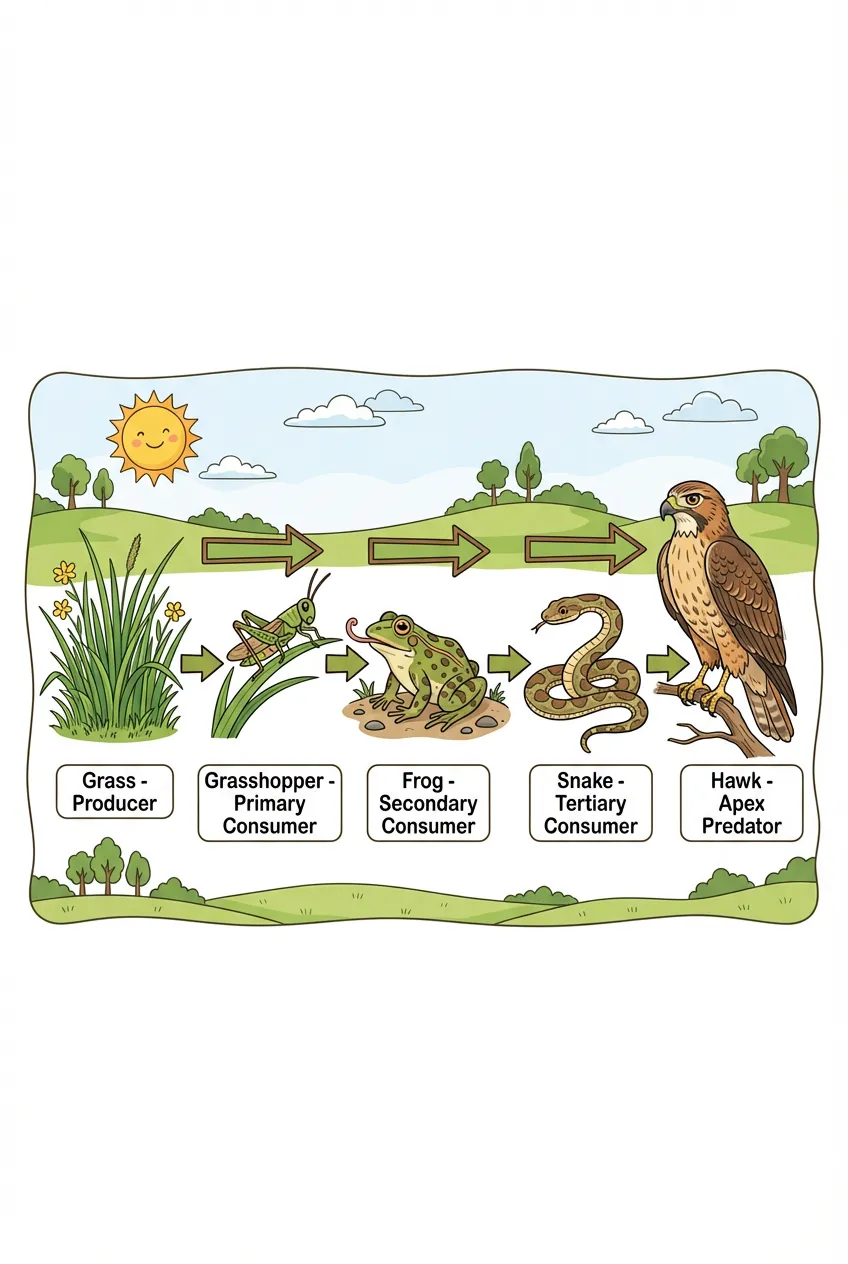
BiologyFood Chain Diagram Generator
Create food chain diagrams showing predator-prey relationships in ecosystems.
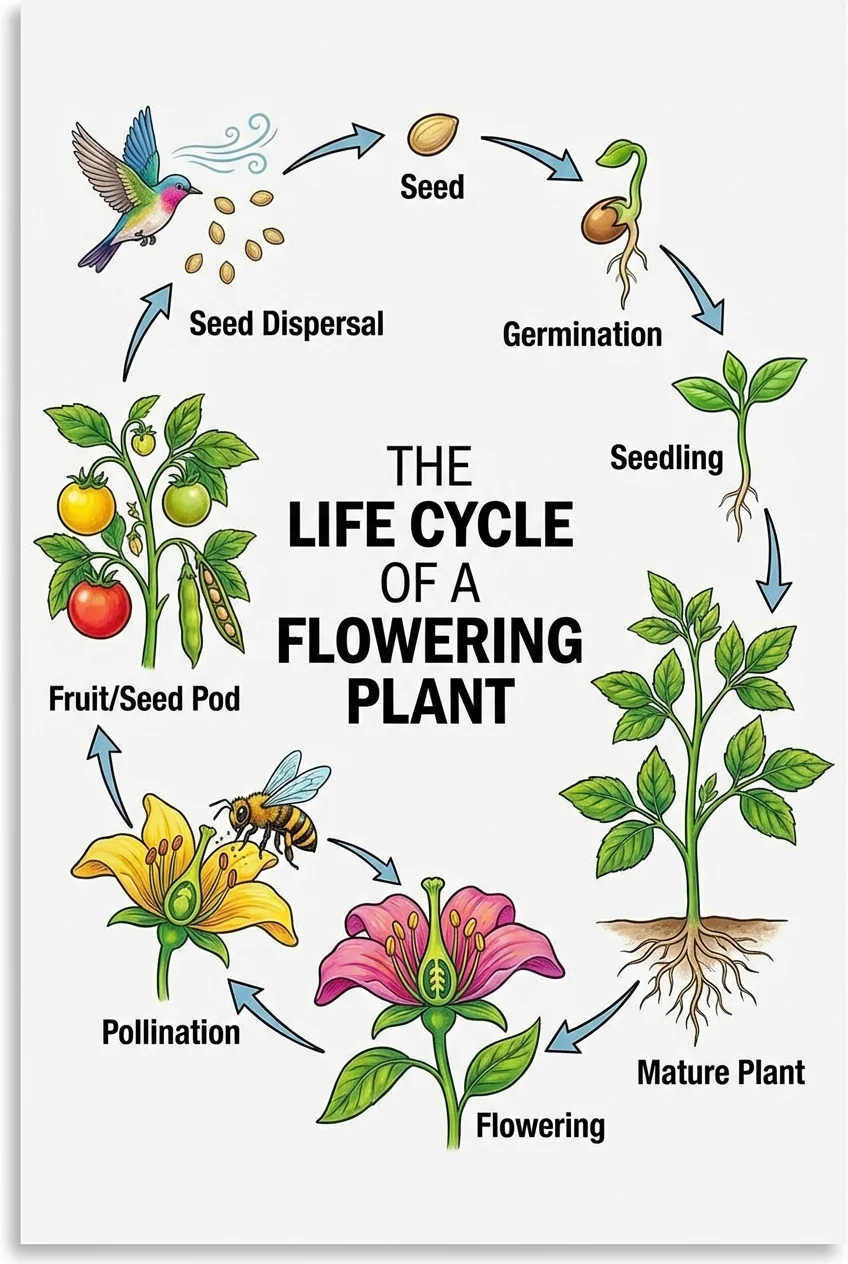
BiologyLife Cycle Diagram Generator
Generate life cycle diagrams for plants, animals, and other organisms.