Cladogram Maker Cladograms
Describe the organisms and their evolutionary relationships, and our AI will create a professional cladogram instantly. Perfect for biology classes, taxonomy, and evolutionary studies.
Cladogram Generator
Free to try ·
Your cladogram will appear here
Describe the organisms and click Generate
Cladogram Examples
Browse cladogram examples from different biological groups or generate your own above
Vertebrate Classification
Classic vertebrate cladogram showing the evolutionary relationships from fish to mammals with key synapomorphies labeled at each branching point.
Plant Kingdom Evolution
Plant kingdom cladogram illustrating the evolution from non-vascular plants to flowering plants with key adaptations.
Primate Evolution
Primate evolutionary tree showing relationships from prosimians to humans with key morphological and genetic traits.
Arthropod Classification
Arthropod cladogram showing major groups with their unique and shared characteristics for invertebrate biology.
Animal Kingdom Overview
Comprehensive animal kingdom cladogram showing major phyla and key evolutionary innovations from body symmetry to vertebral columns.
Dinosaur Classification
Dinosaur cladogram showing the major divisions and families with representative species for paleontology education.
4 more examples available
Sign in for free to unlock all example diagrams and generate your own 4k custom diagrams.
What is a Cladogram?
A cladogram is a branching diagram that shows the evolutionary relationships among organisms based on shared derived characteristics (synapomorphies). Unlike phylogenetic trees that represent actual evolutionary time, cladograms focus on the pattern of branching and the traits that define each group. Each branching point (node) represents a common ancestor, and the tips of the branches represent the organisms being classified. Cladograms are essential tools in cladistics — the method of classifying organisms based on common ancestry — and are widely used in biology education, taxonomy, and evolutionary research.
Key Components of a Cladogram
- Root — the common ancestor of all organisms in the diagram, usually placed at the left or bottom
- Nodes — branching points that represent the most recent common ancestor of the groups above them
- Branches — lines connecting nodes to taxa, representing lineages through time
- Taxa — the organisms or groups at the tips of the branches being compared
- Synapomorphies — shared derived characteristics labeled at nodes that define each clade
- Outgroup — a reference taxon outside the group of interest, used to root the cladogram
How to Read a Cladogram
Reading a cladogram requires understanding that closely related organisms share a more recent common ancestor (node). Two taxa are more closely related to each other if they share a node that excludes other taxa. The order of taxa at the branch tips does not indicate which organism is more evolved — all living species are equally evolved. What matters is the branching pattern, not the branch length or tip order. To determine relationships, trace branches back to find the most recent shared node. Organisms that share more derived characteristics (closer to the tips) diverged more recently from their common ancestor.
Cladogram vs Phylogenetic Tree
- Cladograms show only branching patterns; phylogenetic trees also indicate evolutionary time or genetic distance through branch lengths
- Cladograms focus on shared derived characteristics; phylogenetic trees may use molecular or morphological data
- Branch lengths in cladograms are meaningless; in phylogenetic trees they represent time or amount of change
- Both are used to classify organisms, but phylogenetic trees provide more detailed evolutionary information
- Cladograms are simpler and often preferred for introductory biology education
Common Uses in Education and Research
Cladograms are a staple of biology curricula from middle school through graduate studies. In introductory biology, students learn to construct and interpret cladograms using physical traits of organisms. In advanced courses, cladograms based on DNA sequence data help visualize molecular phylogenetics. Researchers use cladistic analysis to classify newly discovered species, trace the evolution of specific traits, and understand biogeographic patterns. Our AI cladogram maker helps educators create clear, accurate branching diagrams for any group of organisms, saving hours of manual illustration work.
Frequently Asked Questions
More Biology Tools
ResearchTree Diagram Generator
Create hierarchical tree diagrams for any branching classification or decision structure.
BiologyFood Chain Diagram Generator
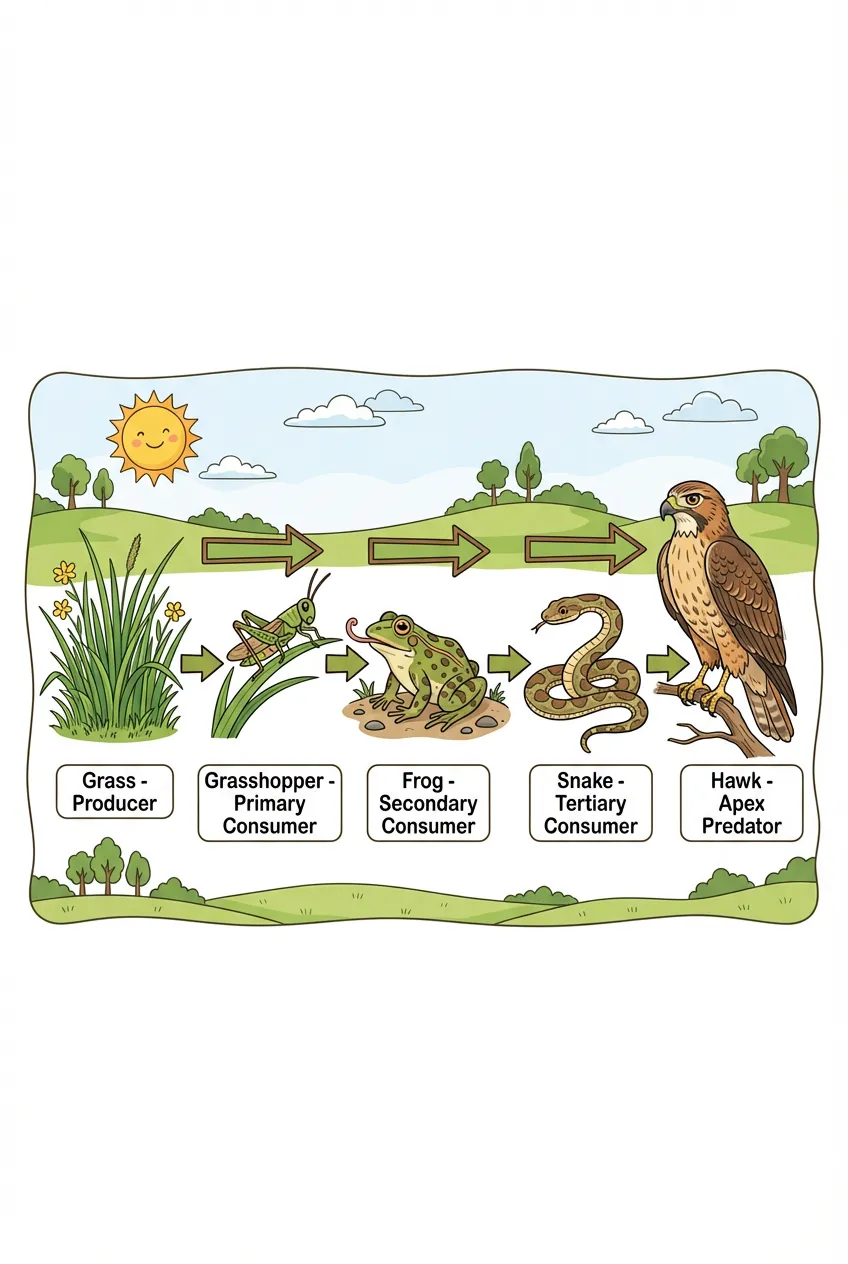
Create food chain diagrams showing predator-prey relationships in ecosystems.
BiologyLife Cycle Diagram Generator
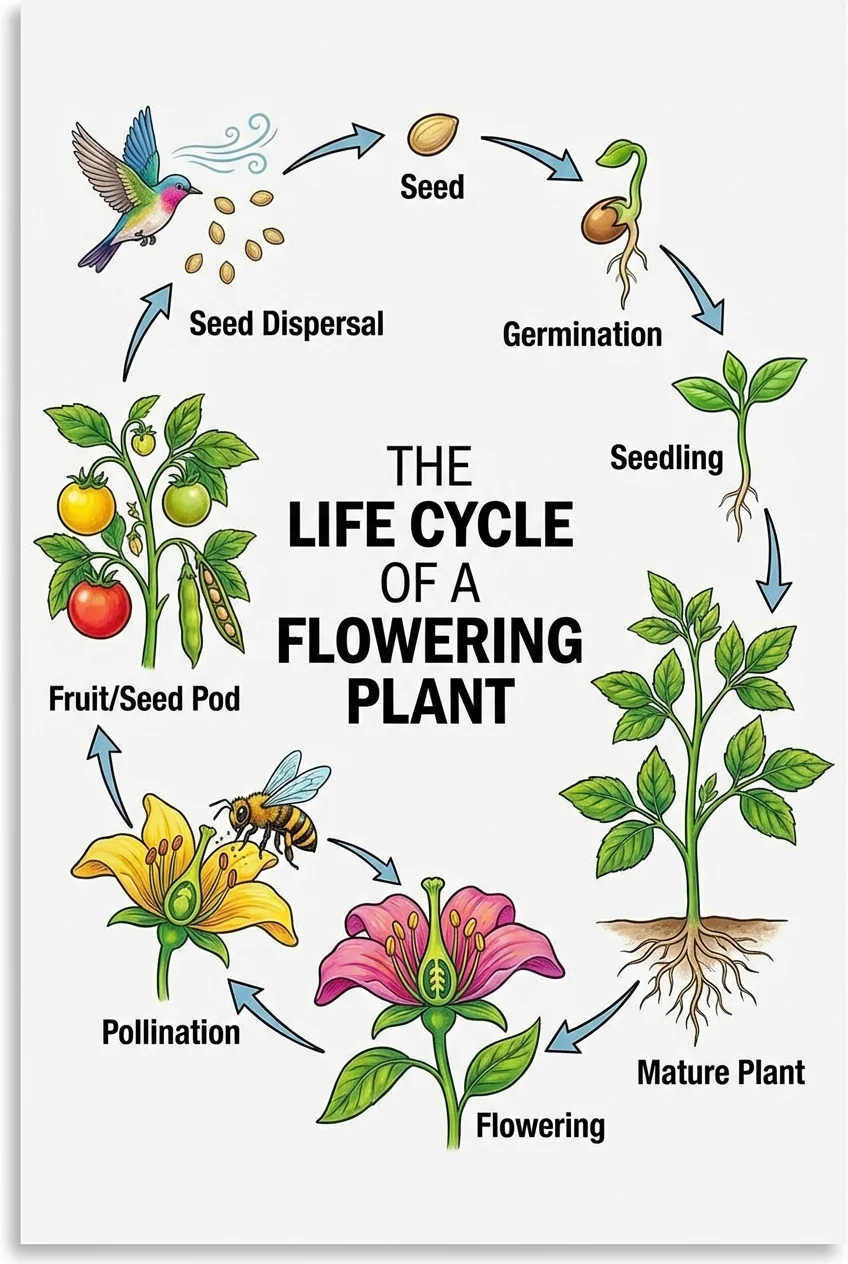
Generate life cycle diagrams for plants, animals, and other organisms.