Theoretical Framework Generator Visualize Your Theory
Build a theoretical framework diagram for your thesis or dissertation in seconds. Describe the theory, constructs, and hypothesized relationships in plain English and the AI lays them out with labeled arrows — a clean, research-ready framework figure for papers and proposals.
Theoretical Framework Generator
Free to try ·
Your theoretical framework will appear here
Describe your theory and click Generate
Theoretical Framework Examples
Browse classic theory models across disciplines or generate your own above
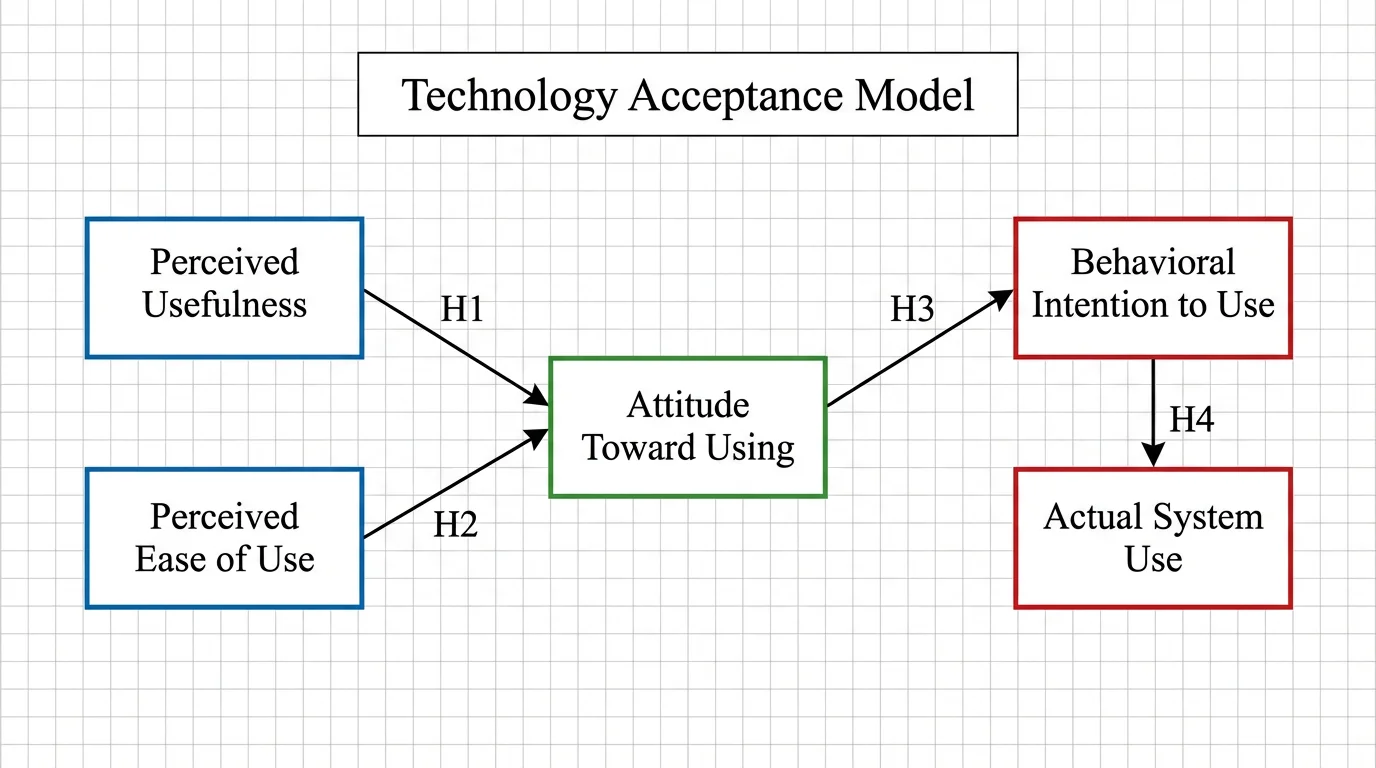
Technology Acceptance Model (TAM)
Davis's TAM — the canonical theoretical framework for information-systems and technology-adoption research.
Theory of Planned Behavior (TPB)
Ajzen's TPB, with three antecedents feeding behavioral intention and behavior — a staple in psychology and health research.
Social Cognitive Theory (SCT)
Bandura's triadic reciprocal determinism, mapping the bidirectional links between person, behavior, and environment.
UTAUT Model
The Unified Theory of Acceptance and Use of Technology, with four core constructs and moderators shown as dotted paths.
Self-Determination Theory (SDT)
Deci & Ryan’s SDT, connecting the three basic psychological needs to the motivation continuum and outcomes.
Resource-Based View (RBV)
Barney's RBV, tracing firm resources through VRIO analysis to sustainable competitive advantage and performance.
What is a theoretical framework in research?
A theoretical framework is the established theory you adopt as the lens for your study — the constructs, propositions, and relationships borrowed from existing literature that explain the phenomenon you are investigating. It anchors your research in scholarship that came before you, justifies the variables you choose to measure, and tells reviewers and your thesis committee why you expect the relationships you are about to test. A theoretical framework diagram makes that lens visible: it draws the theory’s core constructs as boxes and its hypothesized relationships as labeled arrows, so the whole argument can be grasped at a glance. This generator turns a plain-English description of your theory into exactly that figure, with the constructs placed and the hypothesis arrows drawn for you.
Theoretical framework vs conceptual framework
These two terms are constantly confused, but they do different jobs. The theoretical framework is the broad foundation — an existing, named theory from the literature, such as the Technology Acceptance Model or the Theory of Planned Behavior, that you adopt more or less intact as your lens. The conceptual framework is your own targeted model for this specific study: it takes that theory (or several theories) and lays out the exact variables and relationships you will actually test, sometimes adding new constructs or links. Put simply, the theoretical framework is the established theory you stand on; the conceptual framework is the custom map you build for your particular research question. This tool can draw either — a textbook theory model or your adapted study design — so you can present both in your thesis if your program requires them.
Components of a theoretical framework
- Theory: the named, established theory you adopt as your lens (for example, TAM, TPB, SCT, UTAUT, SDT, or RBV) and the assumptions it carries.
- Constructs and concepts: the abstract building blocks the theory defines — such as perceived usefulness, self-efficacy, or behavioral intention.
- Variables: the measurable indicators you use to operationalize each construct in your data.
- Relationships: the directional links between constructs, drawn as arrows, that the theory predicts.
- Propositions and hypotheses: the testable statements (H1, H2, …) attached to each relationship, expressing what you expect to find.
Why a theoretical framework matters for your thesis
A strong theoretical framework is what separates a focused, defensible study from a loose collection of variables. It grounds your research in existing scholarship, so you are extending a recognized conversation rather than starting from scratch; it justifies your choice of variables and the direction of your hypotheses; and it gives your methodology a clear rationale that examiners can follow. Most dissertations and grant proposals require this section explicitly, and a clean framework diagram is often the single figure reviewers look at first. Visualizing the theory also helps you, the researcher: laying out the constructs and arrows quickly exposes missing links, untested assumptions, and relationships you have not yet hypothesized.
How to build a theoretical framework from your topic
- Start from your research question and identify the phenomenon or outcome you are trying to explain.
- Search the literature for established theories that already model that phenomenon, and choose the one (or two) that best fit your context.
- Pull out the theory’s core constructs and define how you will measure each as a variable in your study.
- Map the relationships the theory predicts between those constructs, and state each one as a numbered hypothesis or proposition.
- Describe all of this in the box above and generate the diagram, then refine the labels and export the figure for your proposal or thesis chapter.
Theoretical framework examples across disciplines
Theoretical frameworks appear in every field, and the generator adapts to all of them. Information-systems and management researchers build TAM- and UTAUT-style adoption models or Resource-Based View diagrams; psychology and behavioral researchers draw on the Theory of Planned Behavior, Social Cognitive Theory, or Self-Determination Theory; education researchers map self-efficacy and motivation onto learning outcomes; and public-health and nursing researchers adapt health-behavior theories to their interventions. Whether your study is quantitative with hypothesis arrows or qualitative with propositions linking themes, you can describe the theory and its relationships in plain English and get a framework figure that fits your paper.
Frequently Asked Questions
More Research Tools
 Research
Conceptual Framework Generator
Map your independent, dependent, mediating, and moderating variables into a custom research model.
 Research
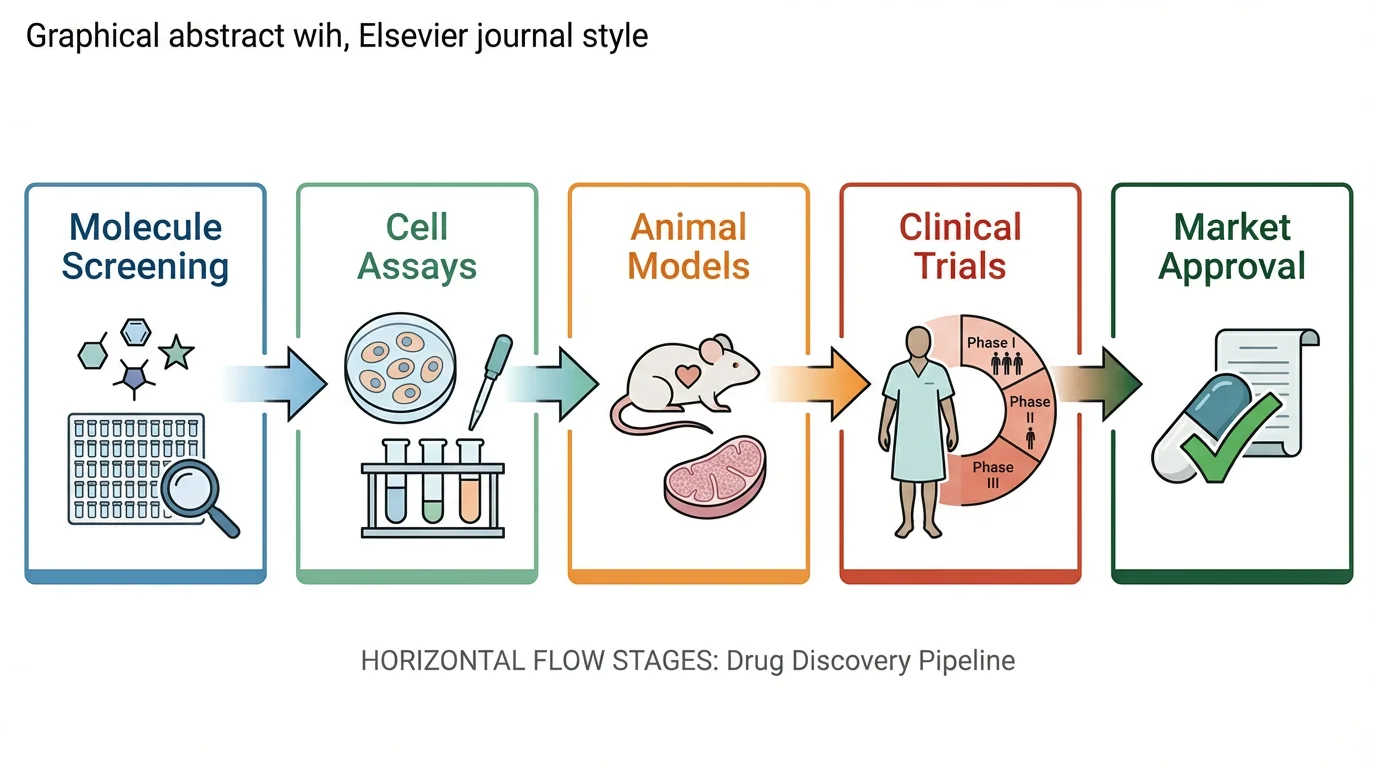
Graphical Abstract Maker
Create professional graphical abstracts for academic journal submissions.
 Research
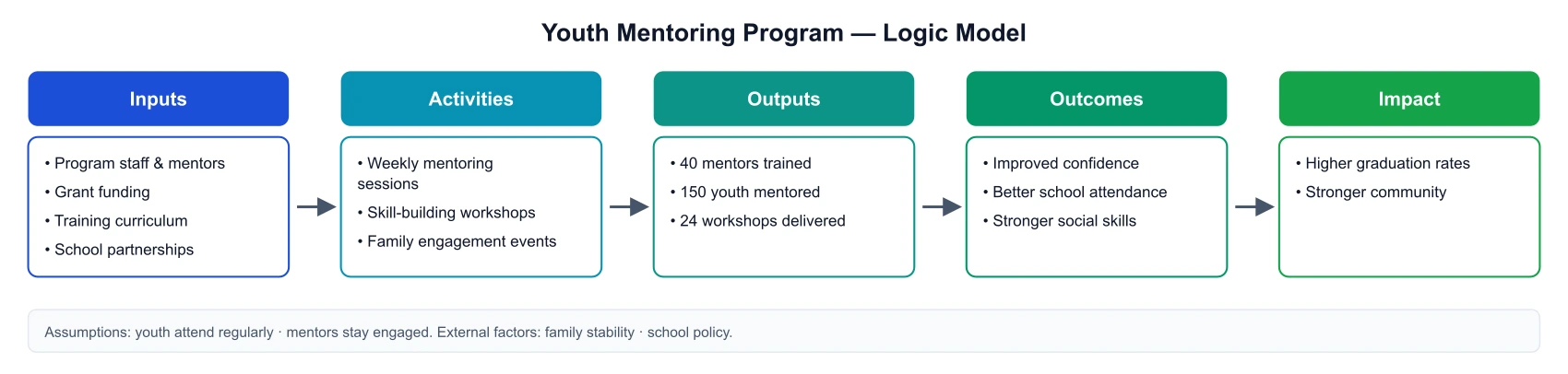
Logic Model Generator
Turn a program theory into a practical chain of inputs, activities, outputs, and measurable outcomes.