Ten Frame Generator Printable Ten Frames
Make printable ten frames — a 2×5 grid with counters for numbers 0–10. Build single or double ten frames to 20, pick a color, or print blank frames.
Frame type
Counter color
Ten Frame Examples
Common ways to build single and double ten frames
Labeled Ten Frame
A clean 2×5 ten frame with counters filled in the standard order.
Full Ten Frame (10)
A full ten frame with all ten cells filled to make 10.
Double Ten Frame
Two stacked ten frames for building teen numbers and totals to 20.
Blank Ten Frame
An empty 2×5 frame for placing counters or drawing dots.
Ten Frame with Counters
A ten frame with colored counters showing a number as filled cells.
Ten Frame: 7
The number 7: a full top row of five plus two counters below.
What is a ten frame?
A ten frame is a simple 2-row by 5-column rectangle of ten equal cells that holds up to ten counters, one per cell. Because it is built around a group of ten — the anchor of our base-ten number system — it turns an abstract number into something a child can see and touch. Five counters fill exactly one row, ten counters fill the whole frame, and any number in between shows itself as "a row of five, and some more." That instant visual grouping is why ten frames are one of the most widely used tools in early math, from preschool counting through first-grade addition. This generator draws the frame exactly, places each counter in its correct cell, and exports a crisp, printable image every time.
Building number sense with ten frames
- A ten frame gives every number a picture. Because the top row holds exactly five, students quickly learn to read a quantity without counting one by one — seven is "five and two more," eight is "five and three more." This is called subitizing, and it is the foundation of fluent mental math.
- The frame also makes the pairs that build ten obvious. Fill six cells and four sit empty; fill three and seven remain. Seeing these "ten friends" over and over is how children commit the number bonds to ten to memory, which later powers strategies like making ten to add.
- Working with a physical or printed frame — placing counters, then removing them — connects the spoken number, the written numeral, and the quantity, so the meaning of each number becomes concrete instead of memorized.
The standard filling order
- Ten frames are filled in a consistent order so the picture of each number is always the same. Counters go in the top row first, left to right (cells one through five), and then continue along the bottom row, left to right (cells six through ten).
- This tool follows that convention exactly: choose the number seven and the top row of five fills completely, then two more counters land in the bottom-left cells — a full five plus two. Because the layout never changes, students can recognize a number from the shape of its counters at a glance.
- Keeping the order fixed also makes it easy to see one more and one less: adding a counter moves you one cell along, and the relationship between neighboring numbers stays visible.
Double ten frames to 20
- Switch to the double ten frame to work with teen numbers and totals up to twenty. Two frames stack, and the first is filled completely before any counter lands in the second, so fourteen shows as one full frame of ten plus four more in the frame below.
- This layout makes the tens-and-ones structure of teen numbers concrete: every teen number is simply "ten and some ones." Fourteen is ten and four, seventeen is ten and seven — the top frame is always the ten, and the bottom frame shows the extra ones.
- Double frames are also perfect for early addition and for building toward twenty. Students can see how two quantities combine, when a total crosses ten into a full frame, and how far a number sits from twenty.
Blank frames for practice
- Turn on the blank option to print empty frames — the same 2×5 grid, with no counters — so students can place their own. Filling a frame by hand with counters, dots, or stickers builds the one-to-one correspondence between counting and quantity far better than reading a finished picture.
- Blank frames work well as reusable mats and as quick assessment tools: call out a number and watch how a child fills the frame, or hold up a filled frame and ask them to name it. Single and double blanks cover everything from counting to ten up to building twenty.
- Everything renders in your browser and exports as a clean SVG or a high-resolution PNG, so the frames print sharply at any size and drop neatly into worksheets, flashcards, and slides.
Frequently Asked Questions
Related Math Tools
 Education
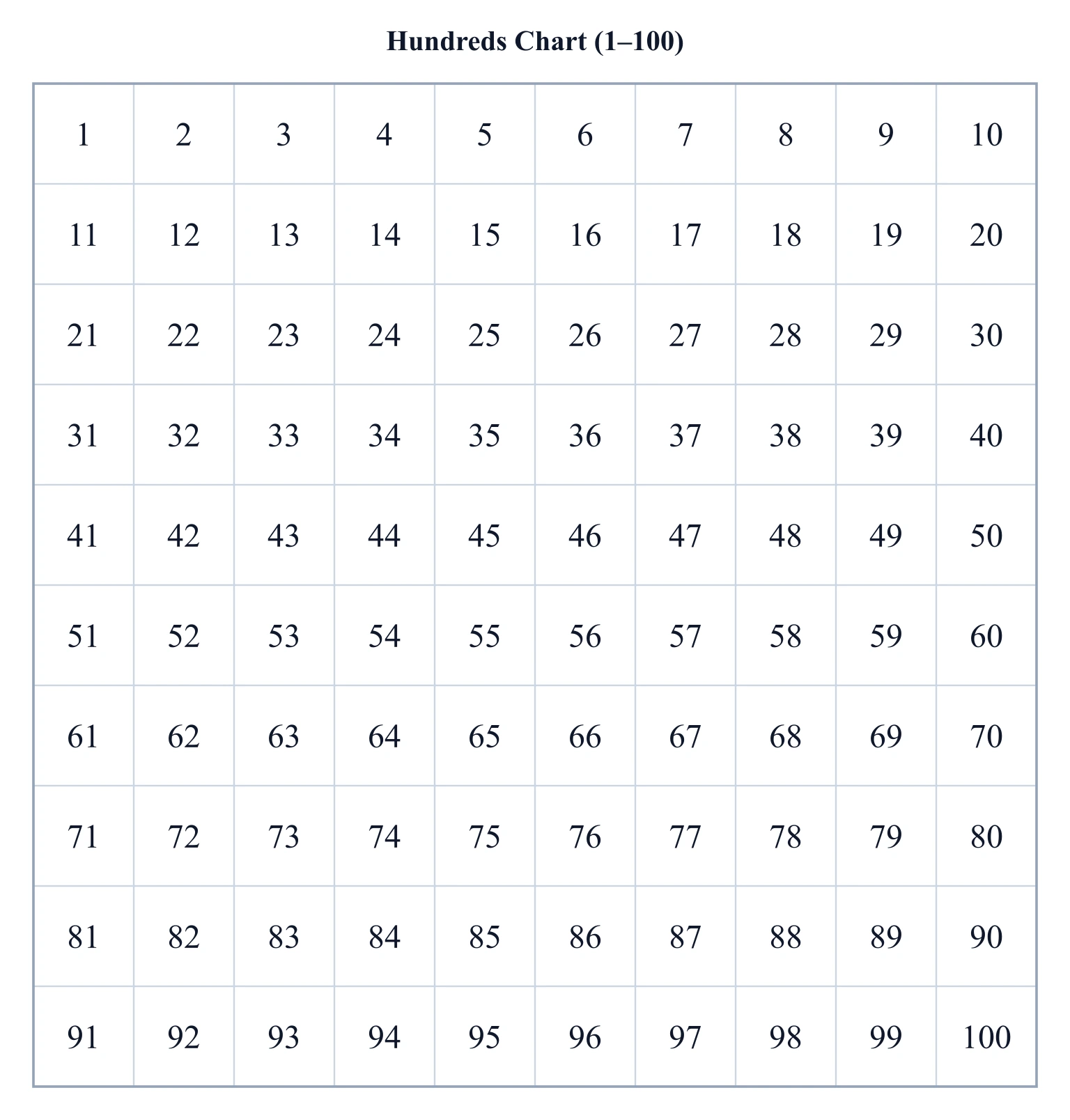
Hundreds Chart Generator
Make a printable hundreds chart: skip count, highlight multiples or primes, color even and odd, or print a blank grid.
 Education
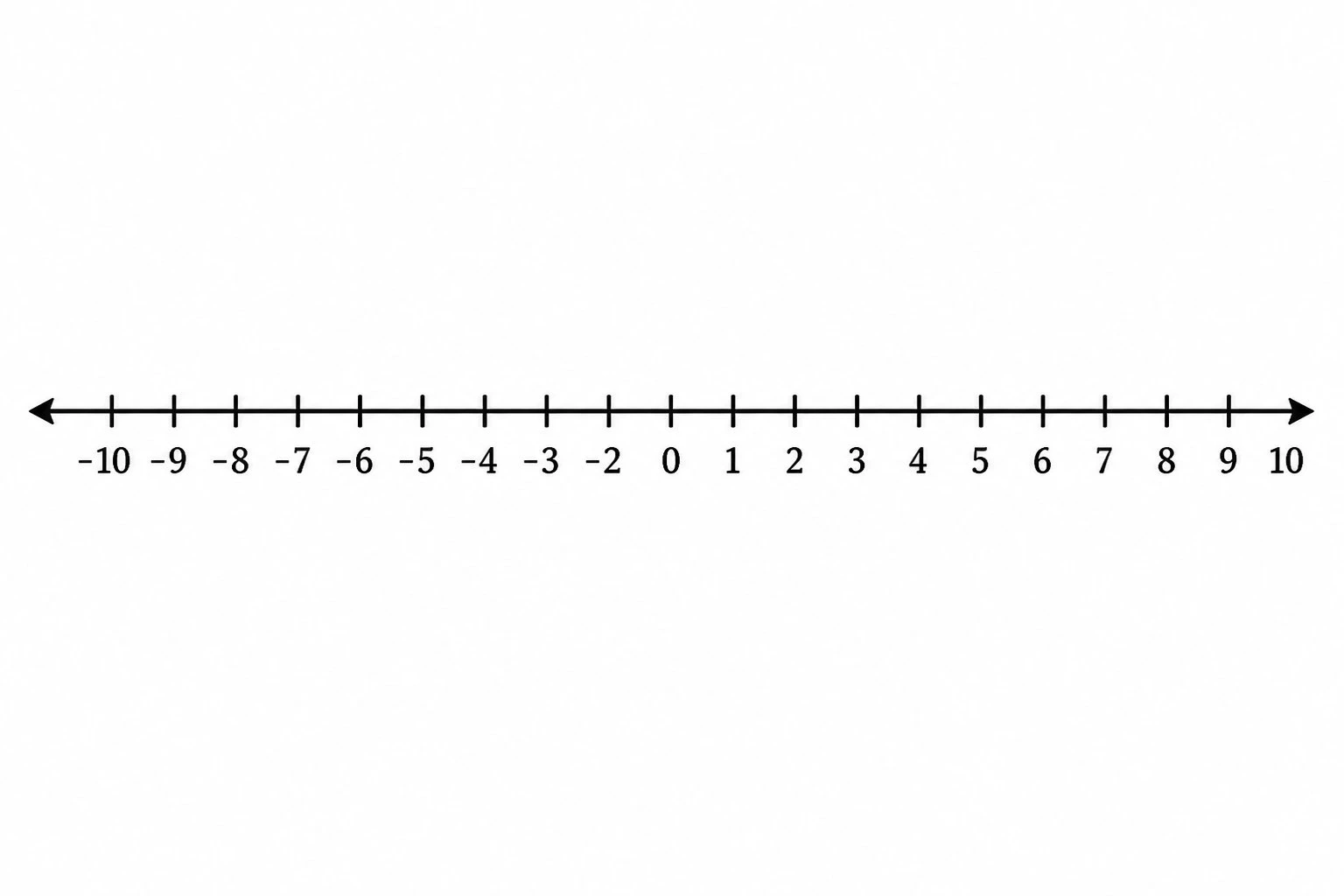
Number Line Generator
Create precise number lines: plot points, graph inequalities and intervals, and mark fractions or decimals.
 Education
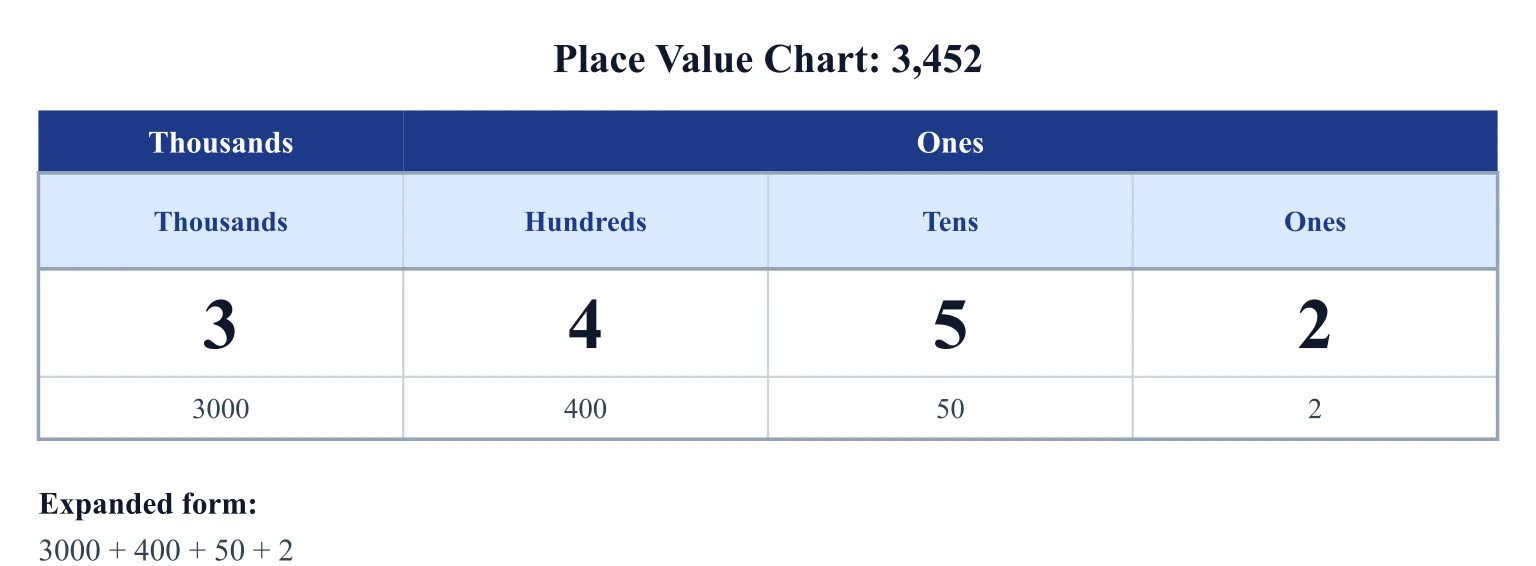
Place Value Chart Generator
Build printable place value charts from ones to millions, with decimals, to teach the base-ten structure of numbers.