Science Doodle Maker for Hand-Drawn Science
Make hand-drawn science doodles from a description. Generate sketch-style science illustrations for notes, bullet journals, sketchnotes, posters, and slides — across biology, chemistry, physics, astronomy, and earth science.
Science Doodle Maker
Free to try ·
Your science doodle will appear here
Illustrative, hand-drawn art — proofread any labels before using it for study
Science Doodle Examples
Hand-drawn science illustrations across biology, chemistry, physics, and earth science
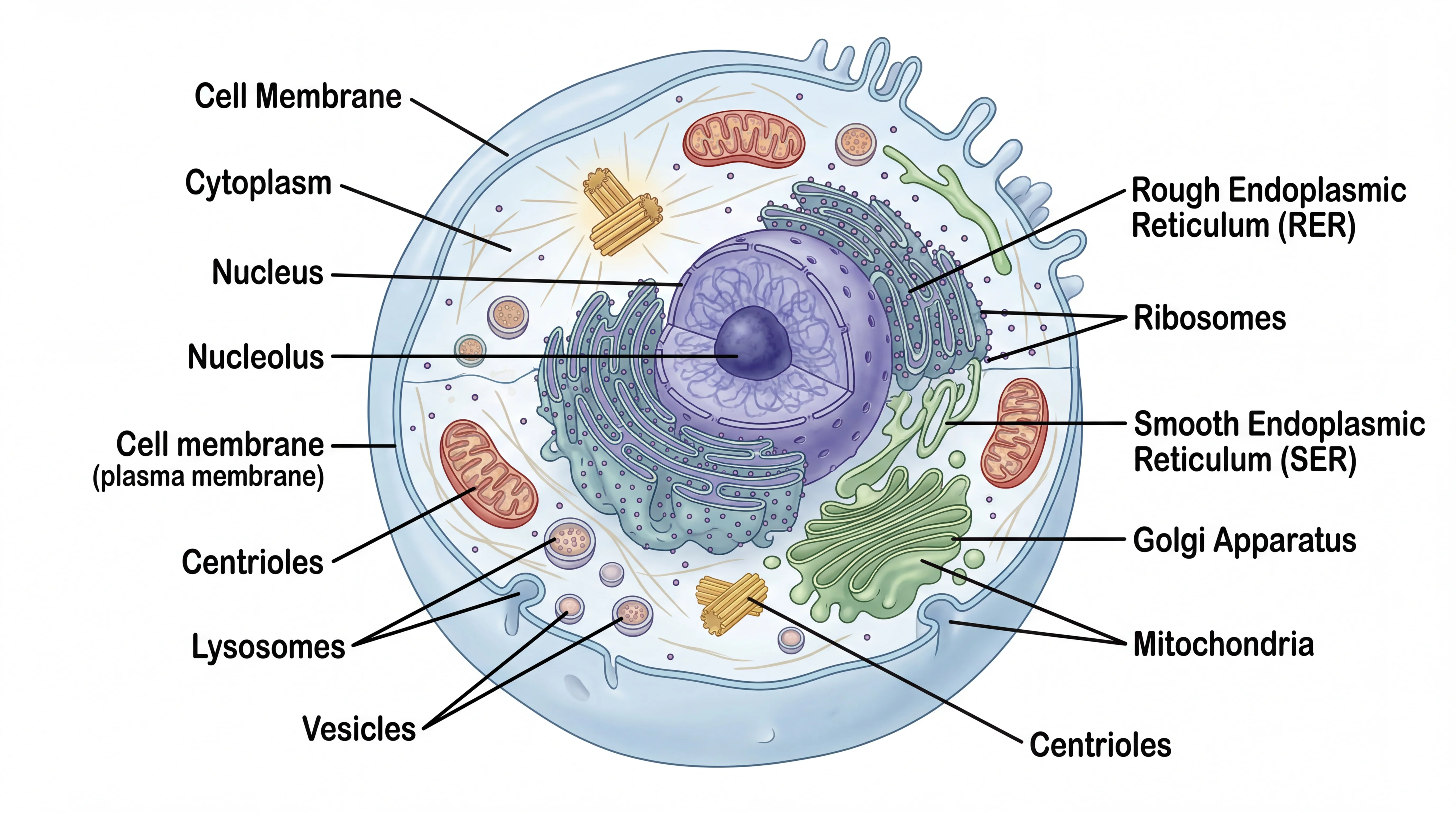
Cell Structure Doodle
A sketch-style cell with hand-lettered labels — perfect for biology notes and revision flashcards.
Chemical Reaction Doodle
Reactants, an arrow, and products drawn as a friendly doodle — great for chemistry sketchnotes.
Physics Forces Doodle
Force arrows and a tidy F = ma in handwriting — an easy way to brighten a physics poster.
Water Cycle Doodle
The full water cycle as a single illustrated scene — a classroom poster favorite.
Photosynthesis Doodle
Inputs, outputs, and the equation in a doodle that fits neatly in a bullet journal spread.
DNA Doodle
The double helix as a playful doodle, with base pairs color-coded and labels in your handwriting style.
What is a science doodle?
A science doodle is a simple, hand-drawn-style illustration of a science concept — a labeled cell, a force diagram, the water cycle, the solar system. Instead of a polished textbook figure, it uses loose line art, sketchy labels, and a little color, the way you might draw in the margin of a notebook. This Science Doodle Maker generates that look from a plain-English description, so you can turn any topic into a friendly, hand-drawn science illustration in seconds.
Why science doodles help you learn and remember
Sketchnoting — combining quick drawings with a few words — is a well-known way to make notes stick, because turning an idea into a picture forces you to understand it first. A doodle of photosynthesis or Newton’s laws is easier to recall than a wall of text, and it keeps a page visually engaging. For teachers, doodle-style figures feel approachable and lower the intimidation of a dense diagram. The point is not artistic perfection; it is a memorable, glanceable image that captures the idea.
Subjects and topics you can doodle
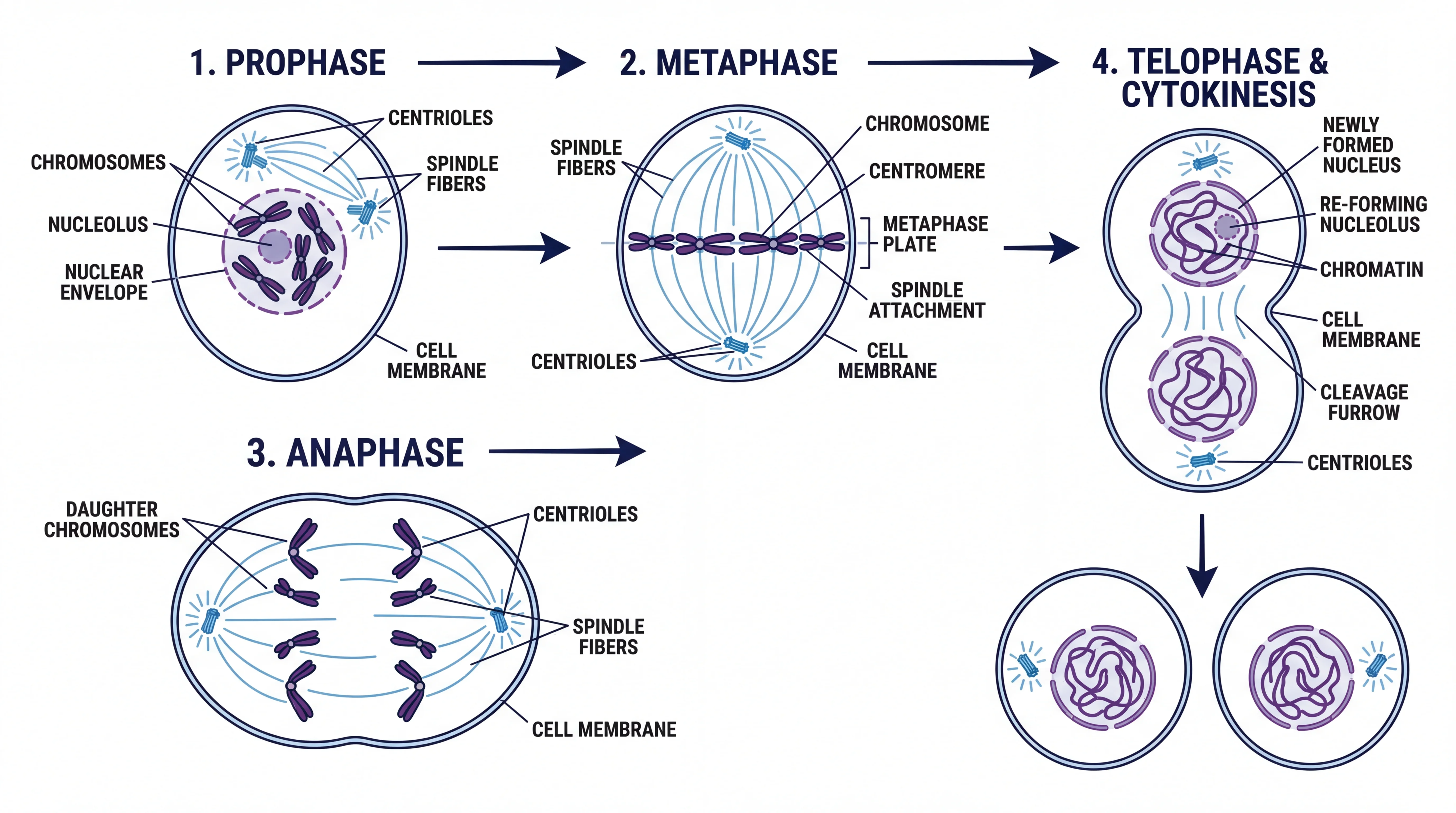
- Biology: cells and organelles, photosynthesis, the DNA double helix, the human body, food chains, the cell cycle.
- Chemistry: atoms and molecules, chemical reactions, the states of matter, the periodic table, lab apparatus.
- Physics: forces and motion, simple machines, circuits, waves and optics, energy transfers.
- Astronomy: the solar system, moon phases, the life cycle of a star, constellations.
- Earth science: the water cycle, the rock cycle, the layers of the Earth, volcanoes, weather and climate.
Where to use your science doodles
- Study notes and revision cards — a doodle per concept makes a topic easier to scan and recall.
- Bullet journals and sketchnotes — add hand-drawn science to spreads, habit trackers, and study logs.
- Classroom posters and worksheets — friendly, low-intimidation figures for displays and handouts.
- Slides and presentations — a doodle keeps a science slide warm and human instead of clip-art generic.
- Social posts, zines, and creative projects — a quick illustrated explainer for any audience.
How to make a science doodle from a description
- Describe what you want in plain English — name the topic, the parts to label, and any colors (for example, “a plant cell with labeled nucleus and chloroplasts, green accents”).
- Pick an aspect ratio: square for notes and social, landscape for slides and posters, portrait for journal pages.
- Generate the doodle. The tool wraps your description in a hand-drawn, sketch-style prompt with clean outlines and a white background.
- Refine the wording or regenerate until the labels and layout read the way you want, then download and drop it into your notes, slide, or worksheet.
Tips for better science doodles
- Be specific about labels — list the exact parts you want named, or you may get unlabeled or mislabeled art.
- Ask for a style: “hand-drawn,” “sketchnote,” “notebook doodle,” “black line art with minimal color,” or “bullet-journal style.”
- Keep one concept per doodle; a single clear idea reads far better than a crowded scene.
- Name colors for clarity (“blue for water, yellow for the sun”) and say “white background” to keep it clean.
- Treat it as an illustration, not a reference: AI doodles can render text and scientific details imperfectly, so always proofread labels before you use one for study or teaching.
Frequently Asked Questions
Related Science Tools
 Science
Science Drawing Generator
Generate clean science drawings and diagrams across biology, chemistry, and physics from a prompt.
 Biology
Biology Drawing Generator
Create labeled biology drawings — cells, DNA, and processes — for notes and study.
 Research
Scientific Poster Generator
Turn a topic into a polished scientific poster or illustration for presentations.