Polyatomic Ions Chart Printable List & Flashcards
Free polyatomic ions chart with 38 common ions, charges and naming rules. Search, filter, drill with flashcards, then download or print.
Showing 38 of 38 ions
Charge +1 (cations, 2)
- NH4+
ammonium
- H3O+
hydronium
Charge +2 (cations, 1)
- Hg22+
mercury(I)
also: mercurous, dimercury
Two Hg atoms bonded together
Charge −1 (anions, 21)
- CH3COO−
acetate
also: ethanoate
Also written C2H3O2
- OH−
hydroxide
- CN−
cyanide
- OCN−
cyanate
- SCN−
thiocyanate
- NO3−
nitrate
- NO2−
nitrite
- MnO4−
permanganate
- HCO3−
hydrogen carbonate
also: bicarbonate
- HSO4−
hydrogen sulfate
also: bisulfate
- H2PO4−
dihydrogen phosphate
- ClO−
hypochlorite
- ClO2−
chlorite
- ClO3−
chlorate
- ClO4−
perchlorate
- BrO−
hypobromite
- BrO2−
bromite
- BrO3−
bromate
- BrO4−
perbromate
- IO3−
iodate
- IO4−
periodate
Charge −2 (anions, 9)
- CO32−
carbonate
- SO42−
sulfate
- SO32−
sulfite
- S2O32−
thiosulfate
- HPO42−
hydrogen phosphate
also: monohydrogen phosphate
- CrO42−
chromate
- Cr2O72−
dichromate
- C2O42−
oxalate
- O22−
peroxide
Two O atoms bonded together
Charge −3 (anions, 4)
- PO43−
phosphate
- PO33−
phosphite
Textbook pattern form; the real ion in water is HPO3 2−
- AsO43−
arsenate
- BO33−
borate
Charge −4 (anions, 1)
- SiO44−
silicate
also: orthosilicate
Metasilicate is SiO3 2−
Free Polyatomic Ions Charts
Every chart below is drawn from the same verified data as the tool above. View, download and print them free, no sign-up.
Polyatomic Ions Chart by Charge
All 38 ions grouped by charge, from +1 cations to the -4 silicate ion.
Reference charts
Naming patterns
Practice sheets
What is a polyatomic ion?
A polyatomic ion is a group of two or more atoms that are bonded together and carry one overall electric charge. The group behaves as a single unit in chemical reactions, so the formula, the charge and the name all travel together. Sulfate is SO₄ with a 2− charge, ammonium is NH₄ with a 1+ charge, and neither can be changed without turning it into a different ion. Almost all common polyatomic ions are anions. The ammonium and hydronium ions are the main cations students meet, and mercury(I), Hg₂ with a 2+ charge, is the one that surprises people because it is a pair of mercury atoms bonded to each other.
How the naming pattern works
- The -ate ending is the base name for an oxyanion, an ion that contains oxygen. Sulfate is SO₄²⁻, nitrate is NO₃⁻, phosphate is PO₄³⁻.
- The -ite ending means one oxygen fewer than the -ate ion while the charge stays the same. Sulfite is SO₃²⁻, nitrite is NO₂⁻, phosphite is PO₃³⁻ (the textbook pattern form; see the note further down).
- The per- prefix adds one oxygen to the -ate ion, and hypo- removes one from the -ite ion. For chlorine the four steps are perchlorate ClO₄⁻, chlorate ClO₃⁻, chlorite ClO₂⁻, and hypochlorite ClO⁻. Bromine follows the same pattern, and iodine is usually taught with iodate and periodate only.
- The hydrogen prefix adds H+ and lowers the charge by one. Carbonate CO₃²⁻ becomes hydrogen carbonate HCO₃⁻ (also called bicarbonate), and phosphate PO₄³⁻ becomes hydrogen phosphate HPO₄²⁻ and then dihydrogen phosphate H₂PO₄⁻.
Writing formulas with polyatomic ions
- Balance the charges so the compound is neutral. Calcium is 2+ and nitrate is 1−, so you need two nitrates for each calcium.
- Put parentheses around the polyatomic ion when you need more than one of it: Ca(NO₃)₂, Mg(OH)₂, (NH₄)₂SO₄. Leave them off when you need only one, as in CaSO₄ or NaOH.
- Remember that a subscript outside the parentheses multiplies every atom inside. Al₂(SO₄)₃ contains two aluminum atoms, three sulfur atoms and twelve oxygen atoms.
- Name the compound by naming the cation first and then the polyatomic anion, without changing the anion ending: ammonium phosphate, (NH₄)₃PO₄.
Common mistakes to avoid
- Mixing up sulfate and sulfite, or nitrate and nitrite. The -ate ion always has one more oxygen, and both share the same charge.
- Treating the subscript as the charge. In CO₃²⁻ the 3 counts oxygen atoms and the 2− is the charge.
- Writing chromate and dichromate as the same thing. Chromate is CrO₄²⁻, dichromate is Cr₂O₇²⁻, and both carry 2−.
- Forgetting that hydrogen carbonate and bicarbonate are two names for HCO₃⁻, so a test may use either.
- Dropping the parentheses in formulas like Ca(OH)₂, which would otherwise read as Ca with a single O and an H₂.
How to memorize the list
Start with the patterns instead of the whole table. Learn the four chlorine steps, then apply them to the other halogens. Learn that -ite is one oxygen fewer than -ate and that the charge does not move. Then add the few ions that follow no pattern: ammonium, hydroxide, cyanide, acetate, permanganate and the chromates. Use the flashcards above in both directions, filter by one charge at a time, and print the blank practice sheets to test yourself on paper. Formulas and charges were cross-checked against published references such as university help sheets and open chemistry textbooks. Some courses use slightly different names, for example silicate is SiO₄⁴⁻ here and SiO₃²⁻ is called metasilicate, and phosphite is listed as PO₃³⁻ to show the -ite pattern even though the ion that actually forms from phosphorous acid is HPO₃²⁻, so follow your own textbook when it differs.
Frequently Asked Questions
Related Chemistry Tools
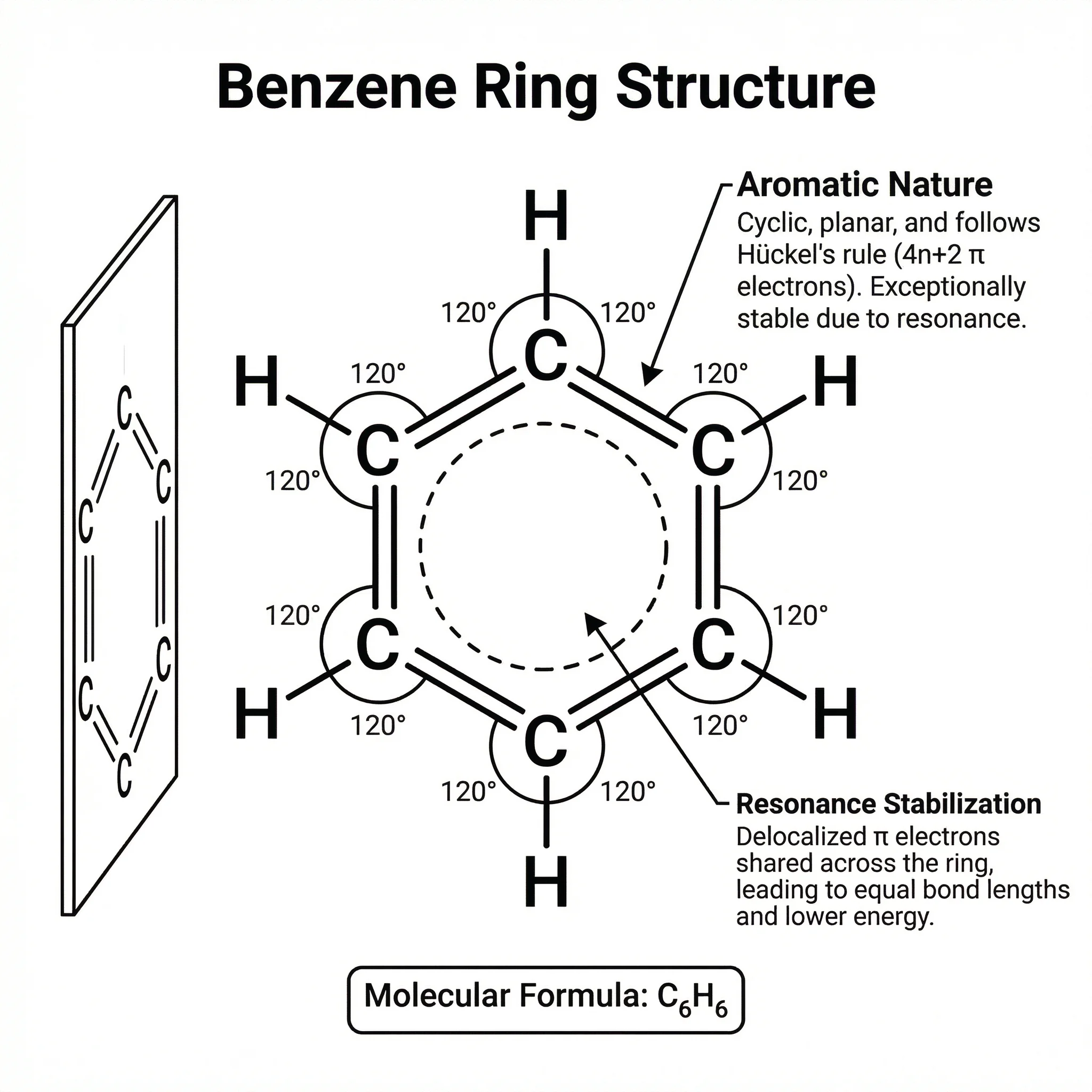 Chemistry
Chemistry Structure Generator
Create molecular structures and chemical diagrams for reports and worksheets.
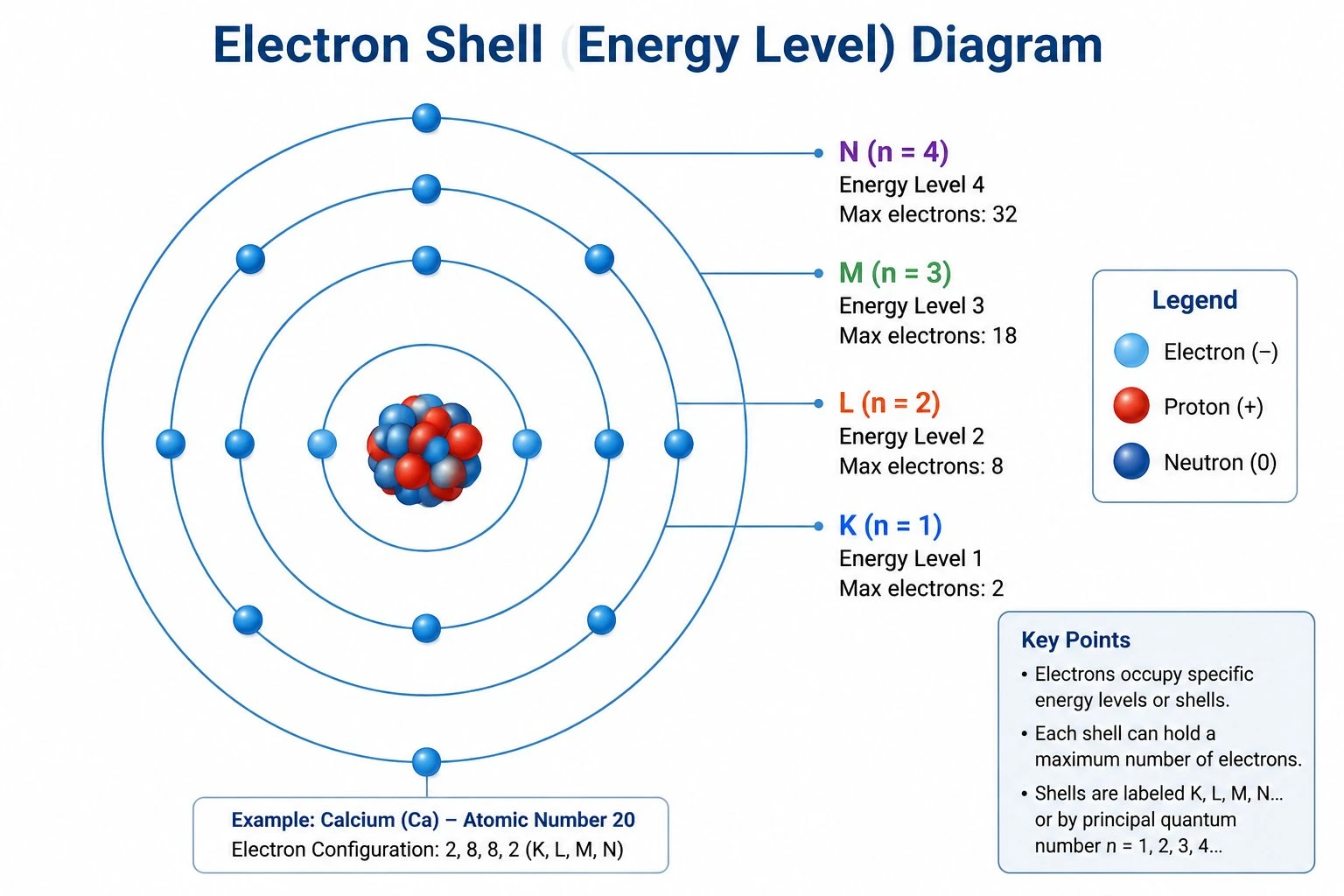 Chemistry
Bohr Model Maker
Build Bohr model diagrams with electron shells for any element.
ChemistryElectron Configuration Diagram
Shell and orbital box diagrams that explain why ions form the charges they do.