Plot Diagram Generator Story Plot Maker
Make a plot diagram online — fill in the exposition, rising action, climax, falling action, and resolution to build a labeled plot mountain or Freytag pyramid. Free SVG/PNG download, blank printable worksheet, plus an AI mode for illustrated story arcs.
Drawn in your browser — free, no image credits. Leave the stages blank to print an empty plot diagram worksheet.
Plot Diagram Examples
Plot mountains and Freytag pyramids for well-known stories — plus a blank printable worksheet
Cinderella — Plot Mountain
Made with the precise mode — a clean, editable plot mountain with the five stages labeled and described.
Illustrated Fairy-Tale Arc
The AI illustration mode turns a story into a decorated plot mountain with a scene at every stage — great for posters and slides.
The Five Parts of Plot
A teaching poster that names and defines each of the five parts of plot — drop it straight into a lesson.
Adventure Story Arc
Any genre works — an adventure arc with a map, a stormy climax, and the five stages labeled along the mountain.
Storybook Story Mountain
A warm, whimsical story mountain with numbered stages — a friendly style for younger readers.
Blank Plot Diagram Worksheet
Clear the stages to print a blank plot diagram worksheet — a plot mountain plus five labeled boxes for students to fill in.
What is a plot diagram?
A plot diagram — also called a plot mountain, story mountain, or Freytag’s pyramid — is a graphic organizer that maps the structure of a story onto a rising-and-falling line. Reading left to right, the line climbs through the exposition and rising action to the climax at the peak, then descends through the falling action to the resolution. Drawing a story this way makes its shape visible, so students can see how tension builds, where the turning point falls, and how the conflict is resolved.
The five parts of a plot diagram
- Exposition: the beginning that introduces the setting, main characters, and background — the “normal” before the conflict.
- Rising action: the series of events and complications that build the central conflict and create tension.
- Climax: the turning point at the peak of the mountain — the moment of greatest tension where the outcome is decided.
- Falling action: the events that follow the climax as the conflict begins to unwind.
- Resolution (denouement): the ending that resolves the conflict and ties up loose ends.
How to make a plot diagram with this tool
- Pick a shape: a curved plot mountain or a straight-lined Freytag’s pyramid.
- Type your story title, then write what happens at each of the five stages — exposition through resolution.
- Load an example story to see a finished diagram, or clear the fields to print a blank worksheet.
- Download a crisp SVG (scales to any size) or a high-resolution PNG for worksheets, slides, and essays. It’s drawn in your browser and uses no image credits.
Plot mountain or Freytag’s pyramid — which shape?
They show the same five stages; only the drawing style differs. The “plot mountain” (or story mountain) uses a smooth curve and is common in elementary and middle school. “Freytag’s pyramid,” named for the 19th-century writer Gustav Freytag, uses straight lines to form a triangle and is often used in high school and literature classes, sometimes with a five-act structure. This generator draws both — pick whichever your class uses and the labels stay the same.
Plot diagrams in the classroom
Plot diagrams are a staple of ELA and reading lessons because they turn an abstract idea — story structure — into something students can see and fill in. Use a filled example to model how a mentor text is built, hand out a blank plot diagram worksheet for students to map a book they’re reading, or have students plan their own writing by sketching the climax first and building the rising action toward it. The same organizer works from picture books to novels and full-length plays.
When to use the AI illustration mode
The Plot diagram mode draws a clean, correctly labeled diagram you can edit and print. Switch to AI illustration when you want a decorative, illustrated story arc — with scenery, characters, or a small picture at each stage — for a poster or slide. Use the precise mode when the labels need to be exactly right, and AI when you want a richer illustration.
Frequently Asked Questions
Related Language Arts Tools
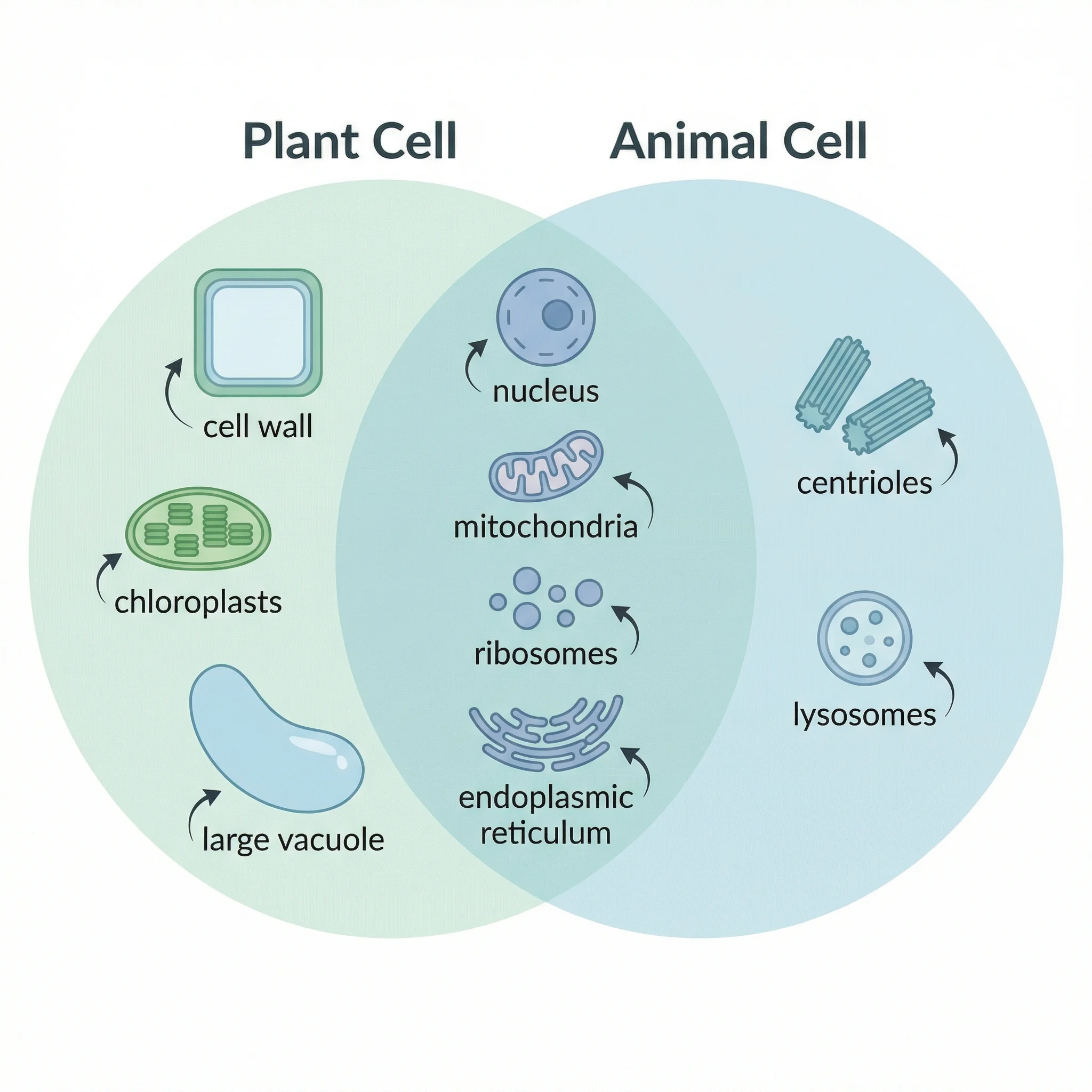 Education
Venn Diagram Generator
Compare and contrast characters, themes, or texts with a labeled Venn diagram.
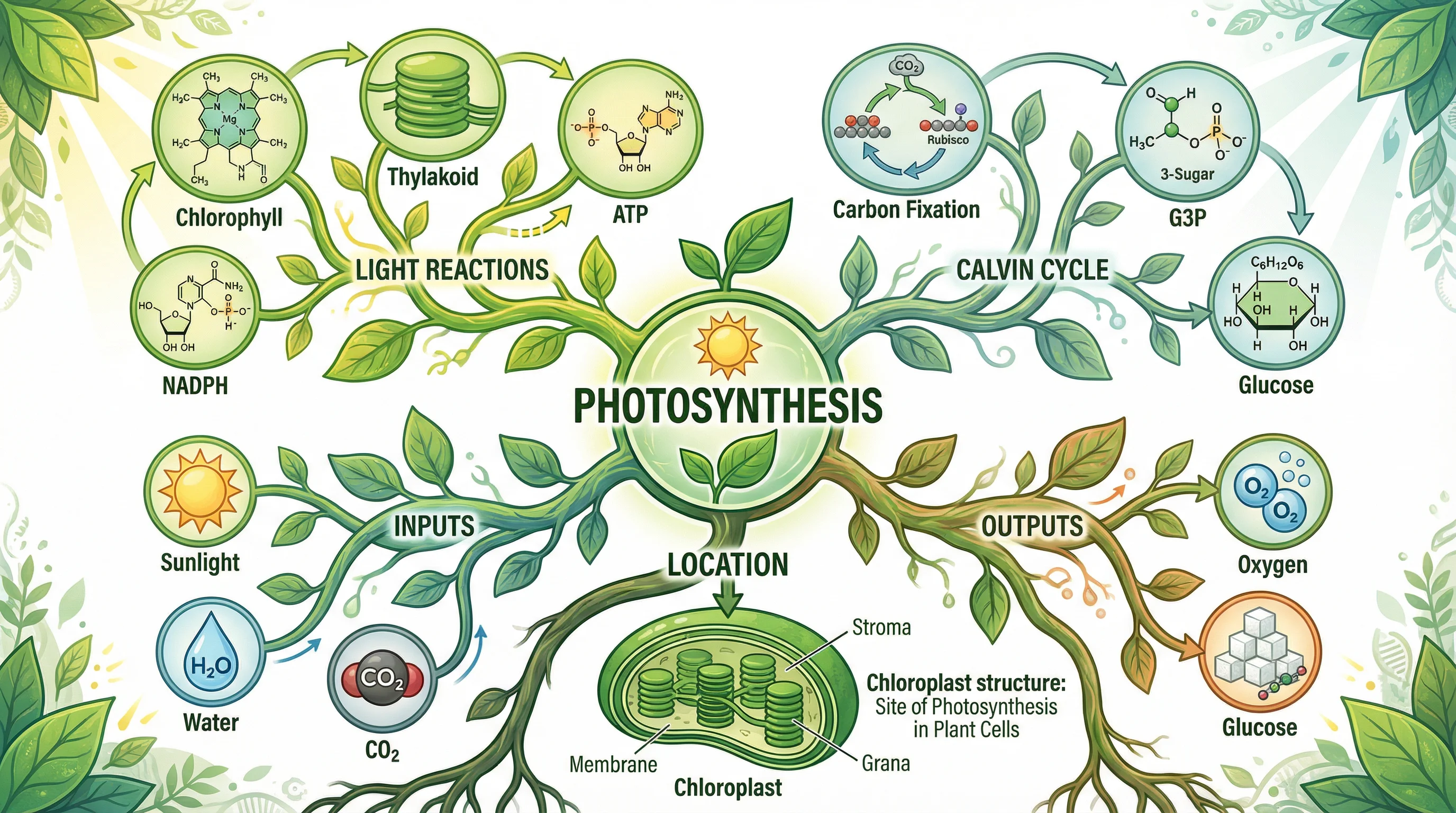 Education
Mind Map Generator
Brainstorm story ideas, characters, and themes on a branching mind map.
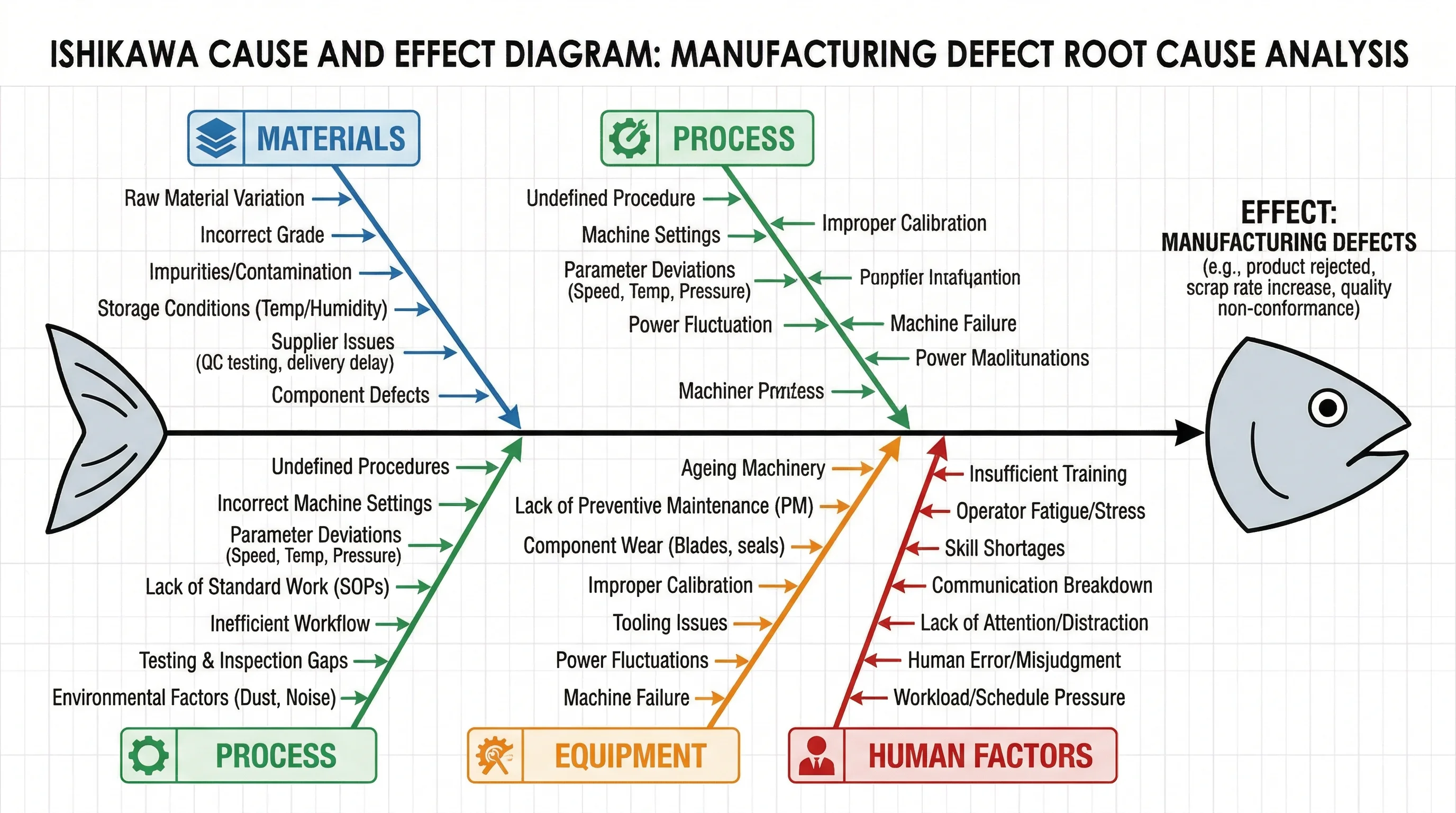 Education
Graphic Organizer Generator
Create graphic organizers for reading, writing, and any subject.