Nervous System Diagram Generator for Labeled & Blank Diagrams
Create a clearly labeled nervous system diagram in seconds. Show the central and peripheral nervous systems, the brain and spinal cord, and major nerves — or generate a blank, unlabeled version for worksheets and quizzes. Free to use.
Nervous System Diagram Generator
Free to try ·
Your nervous system diagram will appear here
Describe what you need and click Generate
Nervous System Diagram Examples
Labeled diagrams of the central and peripheral nervous systems, neurons, and reflex pathways
Full-Body Nervous System
The whole-body map — brain and spinal cord in the center, with major nerves branching to the limbs.
Central Nervous System
The CNS: brain regions plus the spinal cord with every segment labeled C1 through the sacrum.
Peripheral Nervous System
The PNS split into somatic (voluntary) and autonomic (involuntary) pathways, with target organs labeled.
Sympathetic vs Parasympathetic
Fight-or-flight versus rest-and-digest — opposing effects on each organ, side by side.
Neuron Types
Sensory, motor, and interneurons compared — dendrites, cell body, axon, and myelin labeled on each.
Reflex Arc Pathway
How a signal travels: receptor to sensory neuron, into the spinal cord, then back out to the muscle.
What is the nervous system?
The nervous system is the body’s control and communication network. It takes in information through the senses, processes it, and sends out instructions that coordinate everything from movement and breathing to thought and memory. Structurally it is divided into two parts: the central nervous system (the brain and spinal cord), which processes and stores information, and the peripheral nervous system (the nerves outside the brain and spinal cord), which carries signals to and from the rest of the body. This generator draws that whole network with each part clearly labeled.
The two divisions: central and peripheral
- Central nervous system (CNS): the brain and the spinal cord. The brain is the processing center, and the spinal cord is the main pathway that carries signals between the brain and the body.
- Peripheral nervous system (PNS): all the nerves that branch off the brain and spinal cord and reach the rest of the body. The PNS splits into two functional parts.
- Somatic nervous system: the voluntary part — it carries sensory information in and controls skeletal muscles you move on purpose, such as walking or waving.
- Autonomic nervous system: the involuntary part — it controls automatic functions such as heart rate, digestion, and breathing without conscious effort.
Sympathetic vs parasympathetic
The autonomic nervous system has two opposing branches. The sympathetic division drives the "fight-or-flight" response: it speeds up the heart, dilates the pupils, and slows digestion to prepare the body for action. The parasympathetic division drives the "rest-and-digest" response: it slows the heart, constricts the pupils, and stimulates digestion to conserve energy. The two branches act on the same organs in opposite ways, keeping the body balanced. You can generate a side-by-side diagram that maps these opposing effects organ by organ.
The neuron and how signals travel
Neurons are the cells that carry signals through the nervous system. Each neuron has dendrites that receive incoming signals, a cell body that holds the nucleus, and a long axon that passes the signal onward — often wrapped in a myelin sheath that speeds transmission. Where one neuron meets the next, the signal crosses a tiny gap called a synapse, usually through chemical messengers. A signal moves dendrites → cell body → axon → synapse, neuron after neuron, which is how a reflex such as the knee-jerk travels from receptor to spinal cord and back to the muscle in a fraction of a second.
Labeled vs blank diagrams for worksheets and quizzes
A fully labeled diagram is ideal for teaching and study notes, while a blank, unlabeled version is what you want for worksheets, handouts, and quizzes. With this tool you can generate either: ask for "a labeled nervous system diagram" to get every part named, or ask for "a blank nervous system diagram with numbered blank lines" to get an unlabeled version students can fill in. Black-and-white line art works best for printing, and a numbered blank diagram doubles as both the quiz and, with labels added back, the answer key.
How to generate a labeled nervous system diagram
- Describe what you need in plain English — the whole nervous system, just the CNS, the autonomic branches, neuron types, or a reflex arc.
- Say which view and labels you want, for example "anterior full-body view, CNS in blue and PNS in green, label the major nerve plexuses."
- Choose labeled for teaching or unlabeled (blank) for a worksheet or quiz, then generate the diagram.
- Review the result for accuracy, regenerate or refine the wording if needed, and download the image to drop into a slide, handout, or study guide.
Frequently Asked Questions
Related Biology Tools
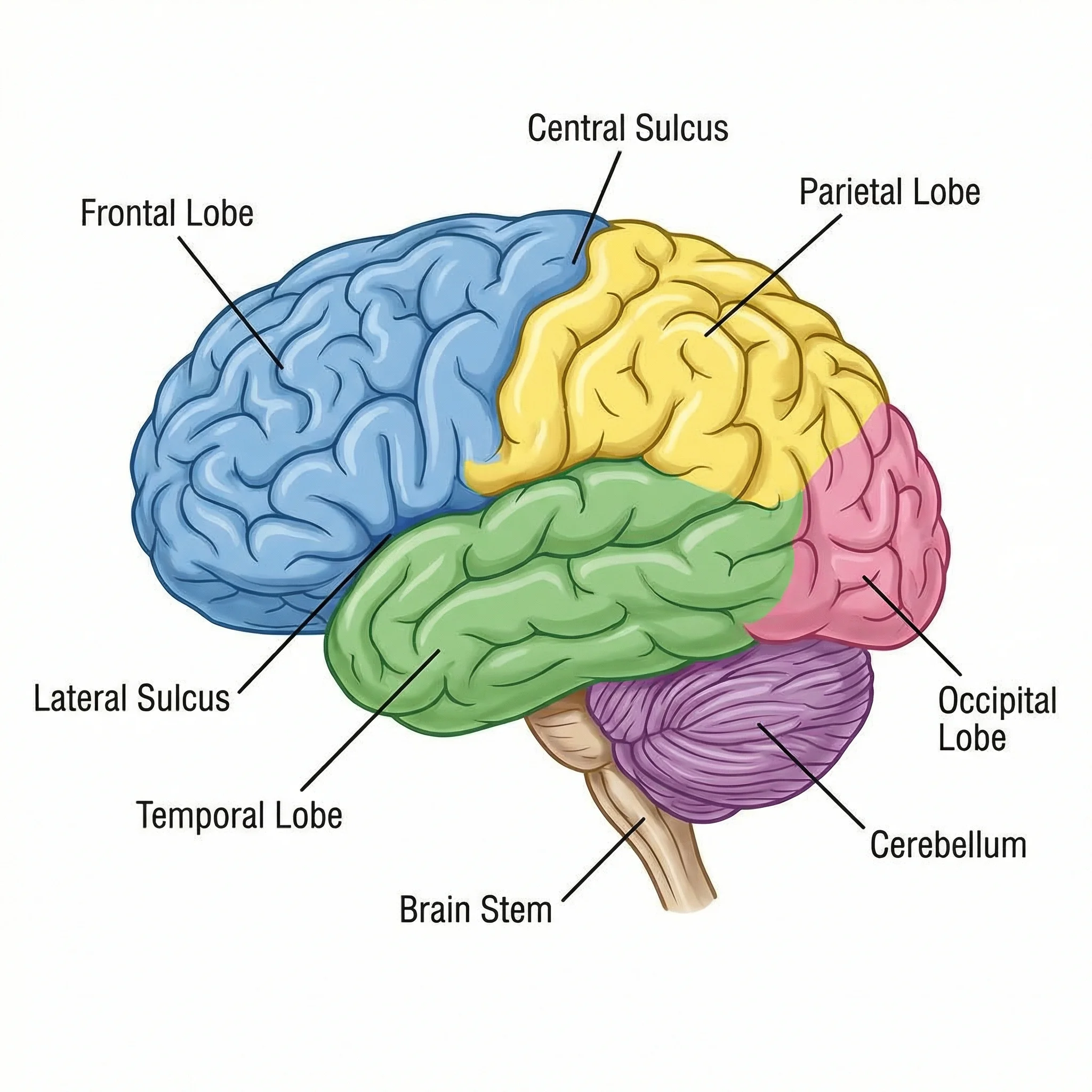 Biology
Brain Diagram Generator
Create labeled brain diagrams showing the lobes, cerebellum, and brain stem.
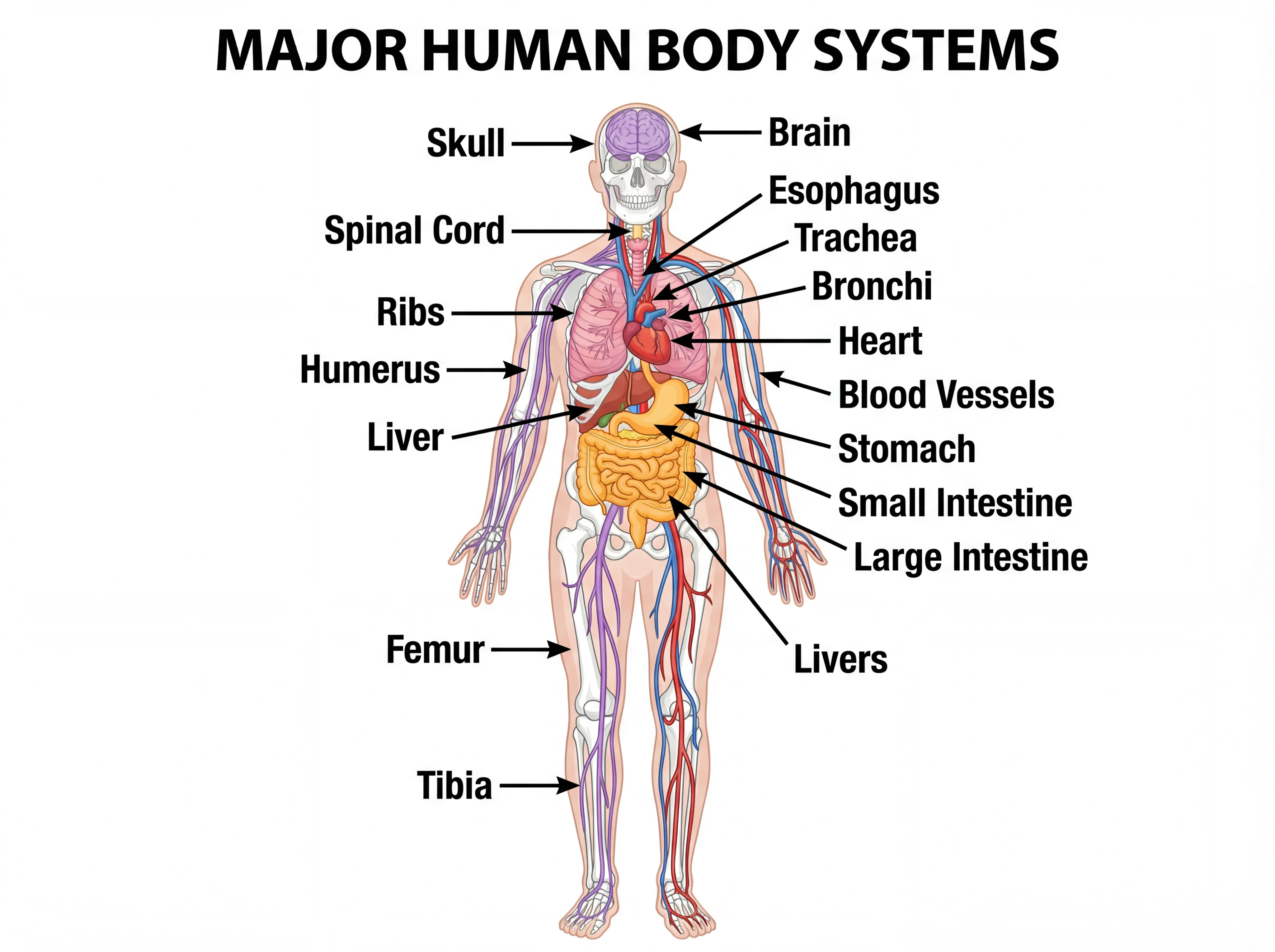 Biology
Human Body Systems Diagram Generator
Draw labeled diagrams of the body’s organ systems, from skeletal to circulatory.
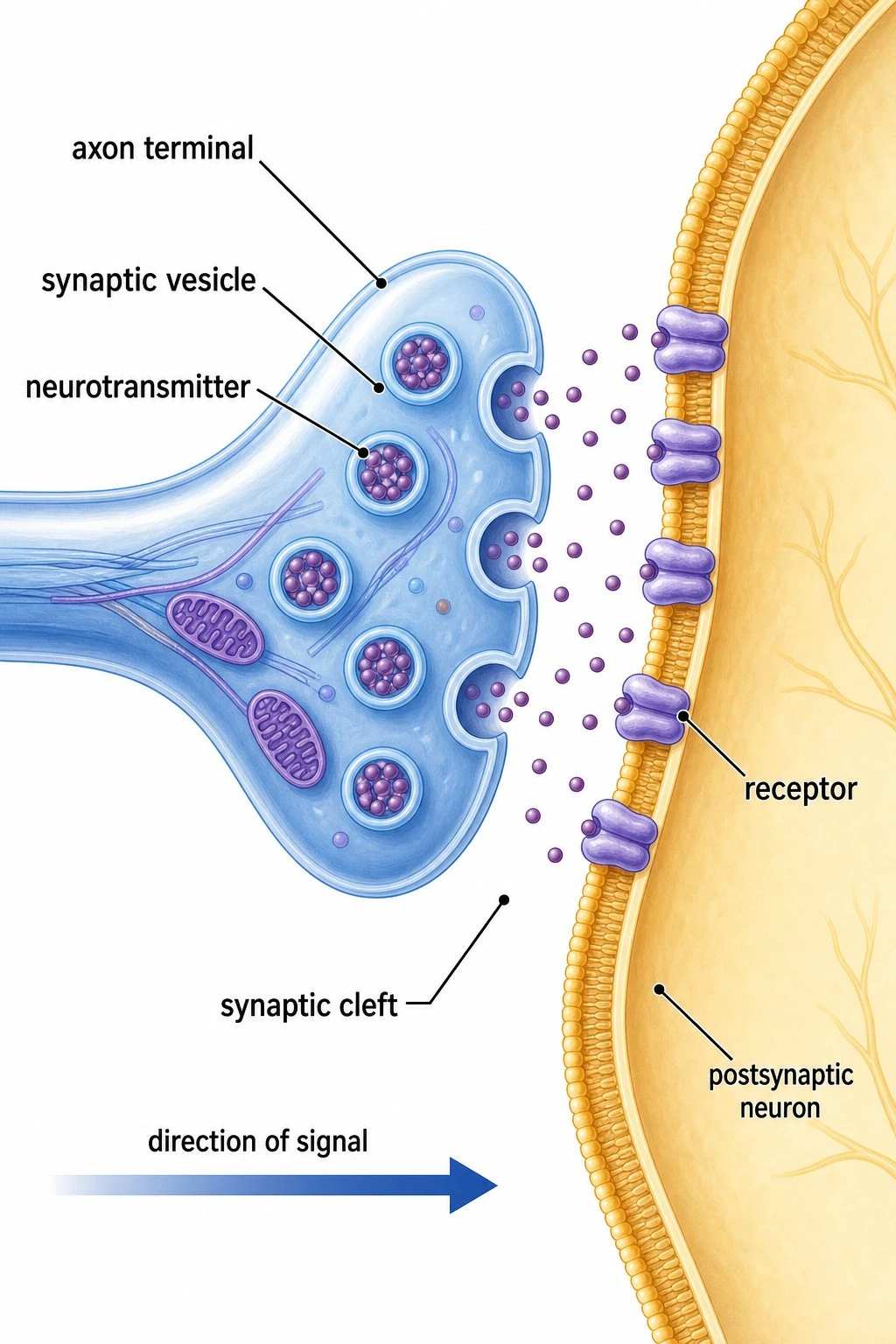 Biology
Synapse Diagram
Zoom in on how neurons communicate with labeled synapse diagrams, blank worksheets, and signal steps.