Long Division Generator Step by Step
Solve long division step by step in the standard bracket layout — see every quotient digit, product, subtraction, and remainder, then export a clean SVG or PNG.
Long Division Examples
Common ways to work and lay out a long division problem
Labeled Long Division
A clearly labeled long division problem showing the divisor, dividend, quotient, and worked steps.
Long Division Steps
The full worked steps of a long division problem: divide, multiply, subtract, bring down.
Long Division with Remainder
A worked long division problem that leaves a remainder, written after the quotient.
Long Division, No Remainder
A long division problem that divides exactly, ending with a difference of zero.
Two-Digit Divisor
Long division by a two-digit divisor, with each product and difference aligned in columns.
Blank Long Division Template
A blank long division bracket for students to work out the steps by hand.
What is long division?
Long division is the standard written method for dividing one whole number (the dividend) by another (the divisor) one digit at a time, producing a quotient and, when the division is not exact, a remainder. It is written in a distinctive "bracket" layout — sometimes called the bus-stop method — where the divisor sits to the left, the dividend goes under a horizontal bar, and the quotient is built up on top, each digit written directly above the dividend digit it was worked from. For example, 4823 ÷ 5 gives a quotient of 964 with a remainder of 3, because 964 × 5 = 4820 and 4820 + 3 = 4823. This generator works the algorithm exactly and lines every product and difference up in its correct column, so the layout is always right no matter which numbers you enter.
The steps: divide, multiply, subtract, bring down
- Long division repeats a four-step cycle for each digit of the dividend. Divide: see how many times the divisor goes into the current part of the dividend, and write that digit in the quotient on top. Multiply: multiply that quotient digit by the divisor and write the product underneath.
- Subtract: draw a line and subtract the product from the part of the dividend above it to get the difference. Bring down: carry the next dividend digit down next to that difference to form the new number to divide, then repeat the whole cycle.
- Take 4823 ÷ 5: 5 goes into 48 nine times (9 × 5 = 45, and 48 − 45 = 3); bring down the 2 to make 32, and 5 goes in six times (30, remainder 2); bring down the 3 to make 23, and 5 goes in four times (20, remainder 3). The quotient is 964 and the final difference, 3, is the remainder.
Remainders and what they mean
- When the divisor does not divide the dividend exactly, the number left over at the end is the remainder. It is always smaller than the divisor — if it were equal or larger, the divisor would have gone in at least one more time. A quotient with a remainder is often written as "964 R 3".
- You can check any long division by multiplying the quotient by the divisor and adding the remainder: it should return the original dividend. For 4823 ÷ 5, that is 964 × 5 + 3 = 4820 + 3 = 4823, which confirms the answer.
- A remainder can also be expressed as a fraction (remainder over divisor) or carried into decimals by adding a decimal point and zeros to the dividend — useful when a problem asks for an exact decimal answer instead of a whole-number remainder.
Dividing by two-digit numbers
- The same four-step cycle works for two-digit (and larger) divisors — there is just more estimating. Instead of a single-digit fact, you judge how many times a number like 25 fits into the current partial dividend, which usually means rounding to estimate and then adjusting.
- For 985 ÷ 25, 25 does not go into 9, so you look at 98: 25 goes in three times (3 × 25 = 75, and 98 − 75 = 23). Bring down the 5 to make 235, and 25 goes in nine times (9 × 25 = 225, remainder 10). The quotient is 39 with a remainder of 10.
- A handy trick is to jot a small multiples list for the divisor — 25, 50, 75, 100, 125 — so each "how many times does it go in" step becomes a quick lookup instead of repeated guessing.
Tips for teaching and practice
- Keep the columns straight. Most long-division mistakes come from digits drifting out of line, so working on squared paper — or using a tool like this one that aligns every column automatically — prevents place-value errors.
- Say the cycle out loud: "divide, multiply, subtract, bring down." Repeating the rhythm helps students internalise the sequence and stops steps from being skipped.
- Everything here renders in your browser and exports as a crisp SVG or high-resolution PNG, so you can drop a correctly worked example straight into a worksheet, slide, or answer key, then hand out a blank version for students to complete.
Frequently Asked Questions
Related Math Tools
 Education
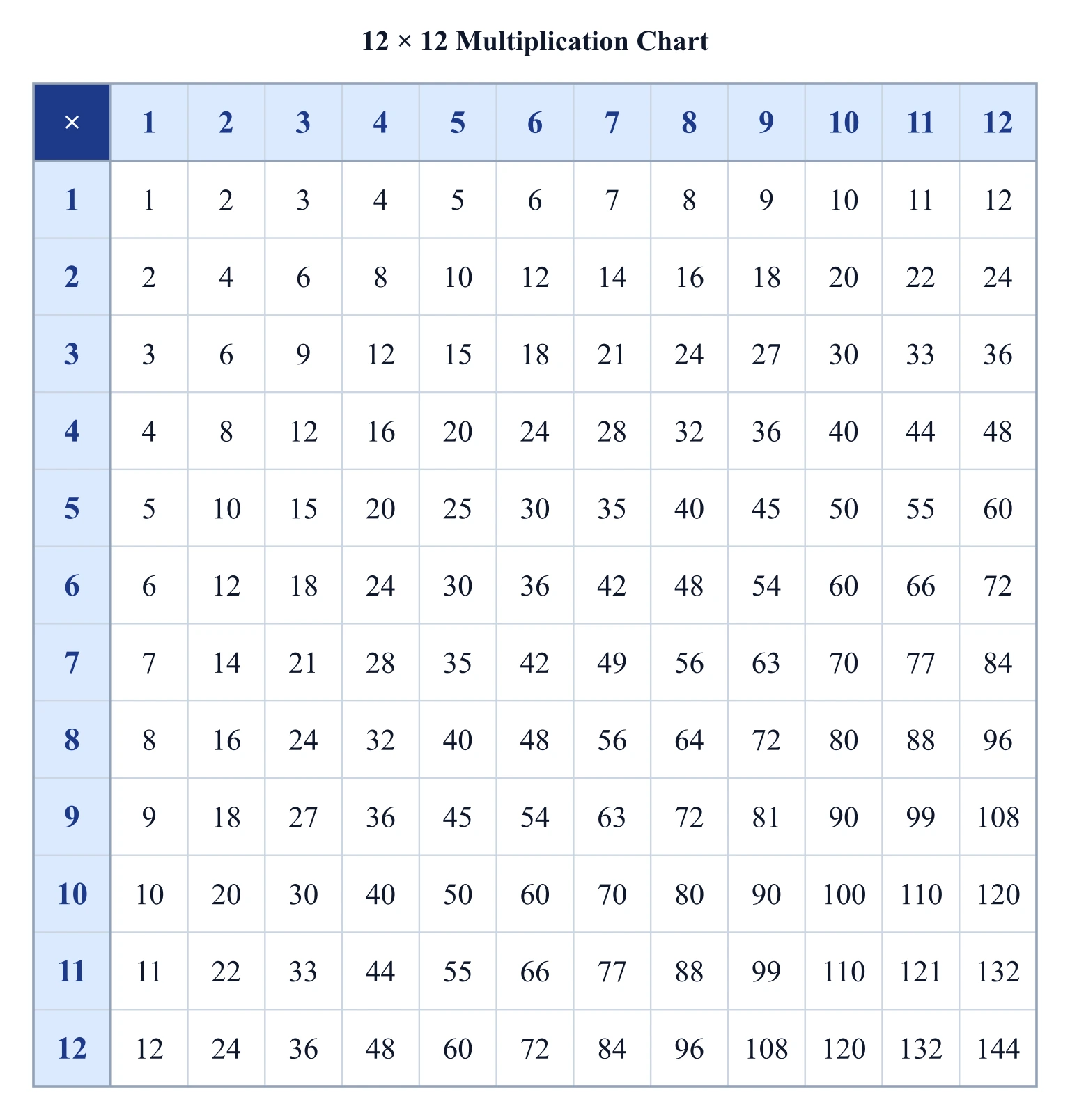
Multiplication Chart Generator
Create printable multiplication charts and times tables — pick the grid size, highlight any table, and export SVG or PNG.
 Education
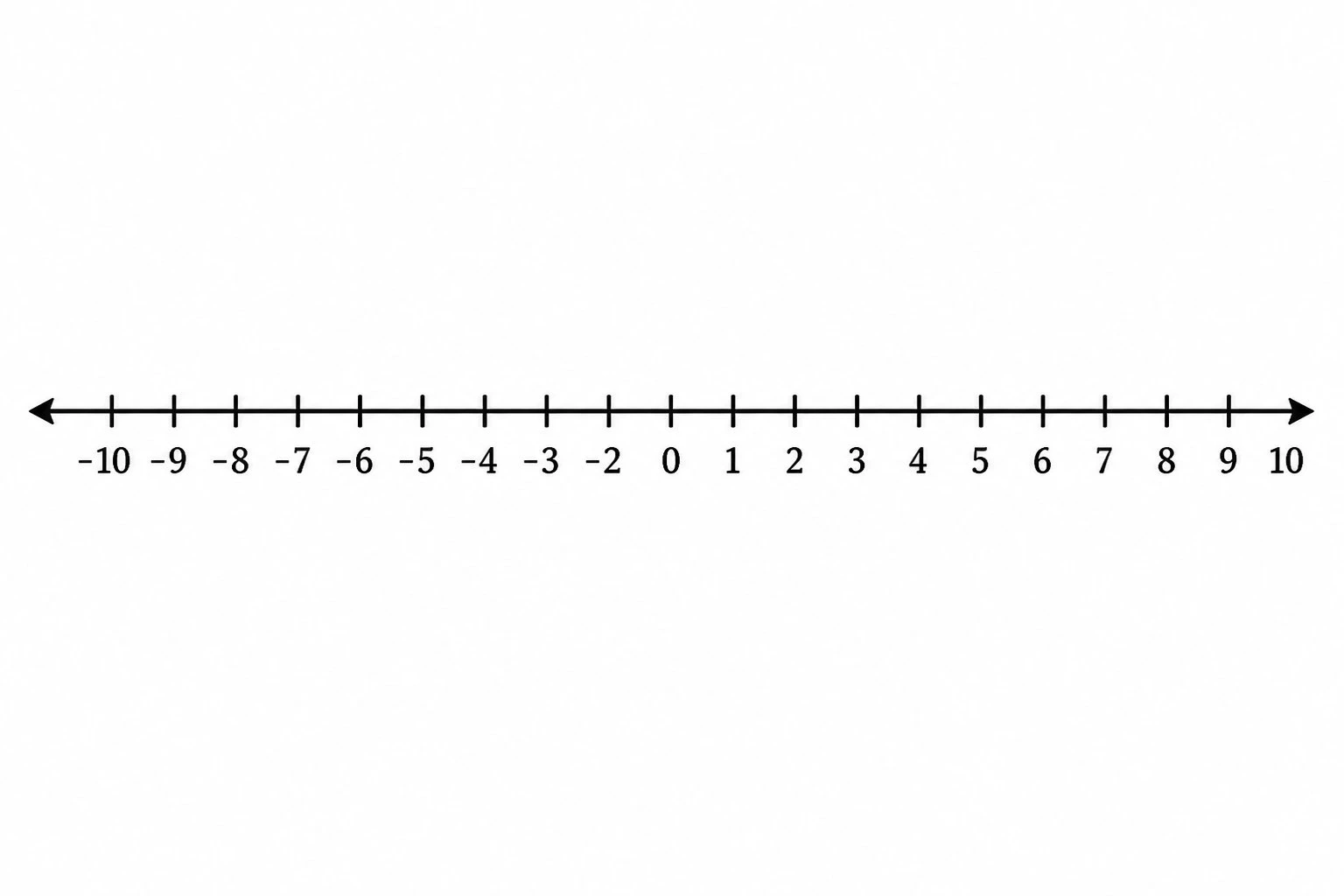
Number Line Generator
Create precise number lines: plot points, graph inequalities and intervals, and mark fractions or decimals.
 Education
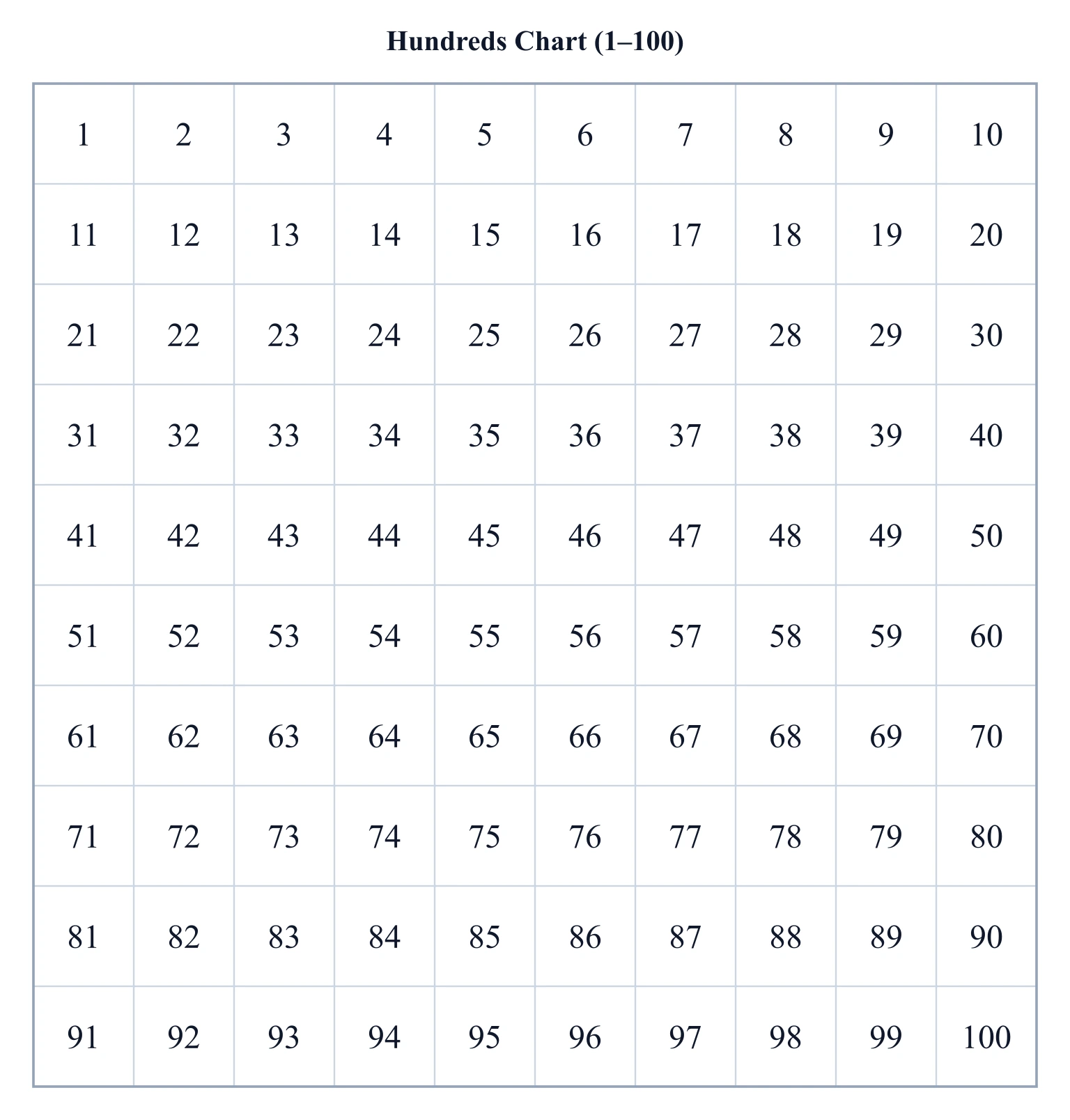
Hundreds Chart Generator
Build printable hundreds charts: count by 2s, 5s, or 10s, highlight primes, and make blank practice grids.