Kakeya Needle Explorer How Small Can You Go?
Turn a unit needle through every direction while sweeping as little area as possible. A hundred-year-old geometry puzzle — and the breakthrough behind the 2026 Fields Medal.
The needle challenge
Drag a unit needle through every direction. Score is the union area swept— smaller is better. Body slides, center dot spins, ends pivot. Axial slides are free.
Watching: the naive spin. Touch the needle to take over.
- Naive spin
- 0.7854
- Deltoid (π/8)
- 0.3927
Built with ConceptViz · pure canvas math, no AI images
Geometry Snapshots
Deterministic diagrams of the classical constructions — zero AI images
Kakeya's Deltoid Sweep
Unit chords of a three-cusped deltoid turn through every direction. The classical deltoid region has area π/8 ≈ 0.393.
Perron Tree Construction
Besicovitch’s idea in stages: cut a triangle into thin pieces, slide them so they overlap heavily, then rejoin — the area can shrink without bound.
What is the Kakeya needle problem?
In 1917, Sōichi Kakeya asked: if a unit-length needle must turn through every direction in the plane, how small can the region it sweeps be? The first guess is a disk of radius 1/2 (area π/4). The true answer shocked mathematics — the swept area can be made arbitrarily small.
Why can the swept area be arbitrarily small?
Abram Besicovitch proved in 1919 that there is no positive lower bound. Sliding the needle along its own direction costs zero area. By splitting a rotation into many tiny angles and overlapping the thin triangles that each angle sweeps (a Perron tree), the total measure can be driven below any ε > 0.
From deltoid to Besicovitch sets
- Kakeya proposed a three-cusped deltoid as a candidate: a unit needle can reverse direction inside a deltoid of area π/8 ≈ 0.393 — already far below the naive disk π/4.
- Among convex sets the minimum is larger: Pál’s equilateral triangle of area 1/√3 ≈ 0.577.
- Drop convexity and the area has no positive lower bound — that is the classical Kakeya needle theorem in the plane.
The 3D breakthrough: Wang & Zahl
Area can shrink, but dimension cannot. In 2025, Hong Wang and Joshua Zahl proved that every Kakeya set in three dimensions has Minkowski and Hausdorff dimension 3, resolving the 3D Kakeya conjecture. Wang received a 2026 Fields Medal for this and related work.
How is your score measured?
- Score = union area of every position the needle occupies while covering directions 0°–180° (undirected).
- We software-rasterize the unit needle on a 6×6 world at 300 px per unit, counting newly painted pixels only. Adjacent frames are interpolated so fast drags cannot skip area.
- Reference values: naive midpoint spin ≈ π/4 ≈ 0.785; deltoid unit-chord construction ≈ π/8 ≈ 0.393; pure axial translation ≈ 0. Tier thresholds use the same measured pipeline as the live scorer.
Frequently Asked Questions
Related Math & Data Tools
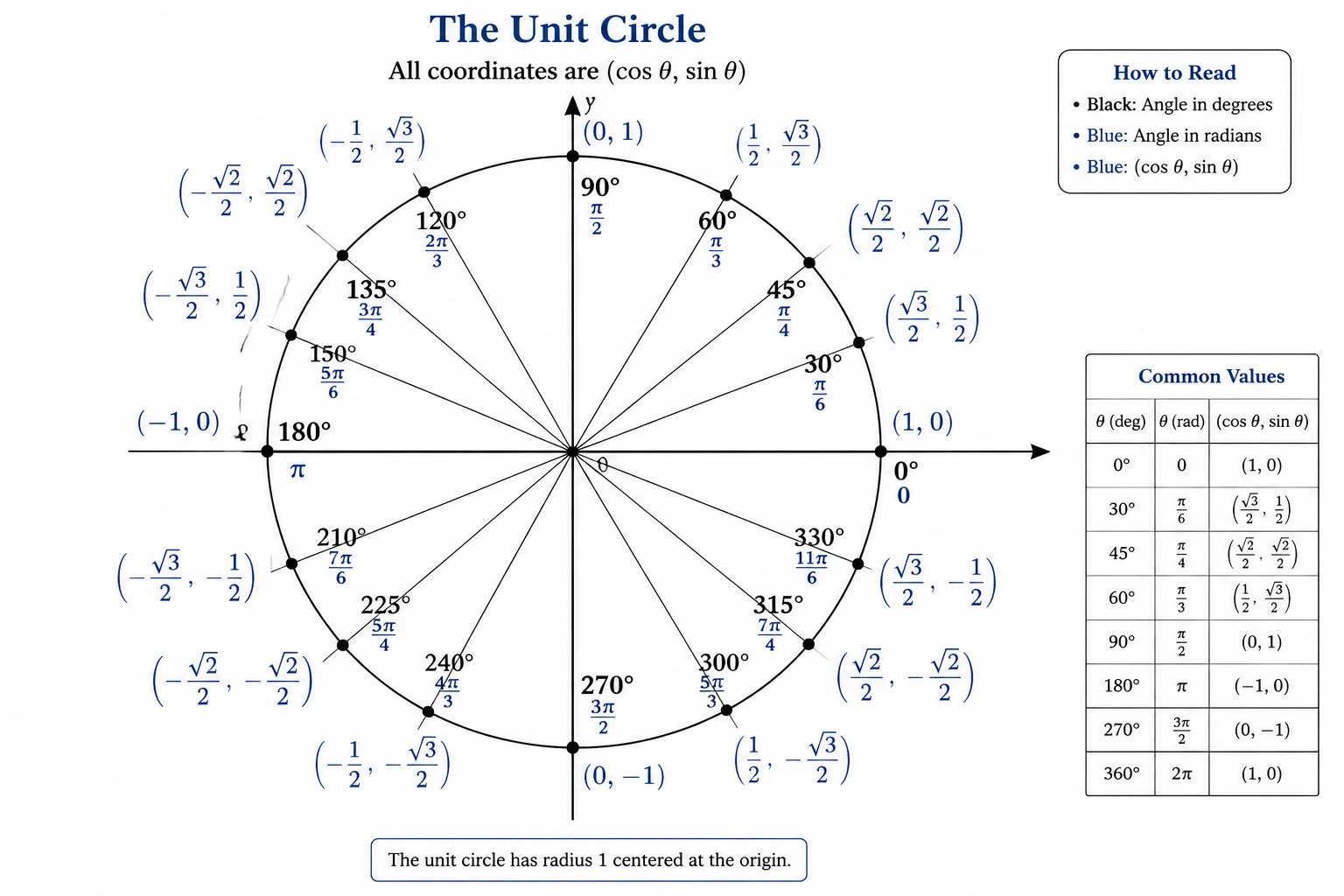 Education
Unit Circle Generator
Explore sine, cosine, and angles on the unit circle with labeled diagrams for teaching.
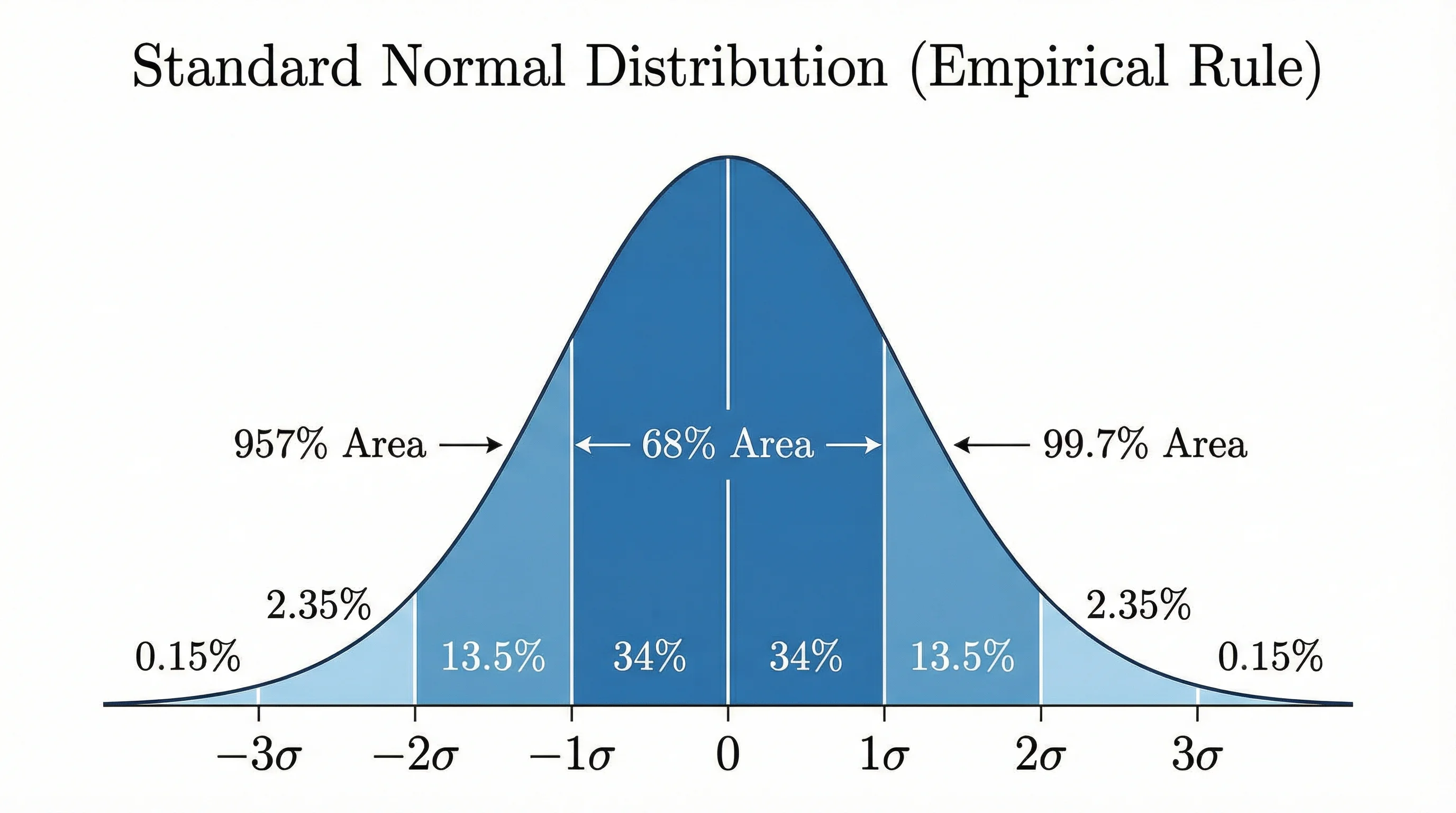 Research
Bell Curve Generator
Create normal distribution curves, shade regions, and export clean probability visuals.
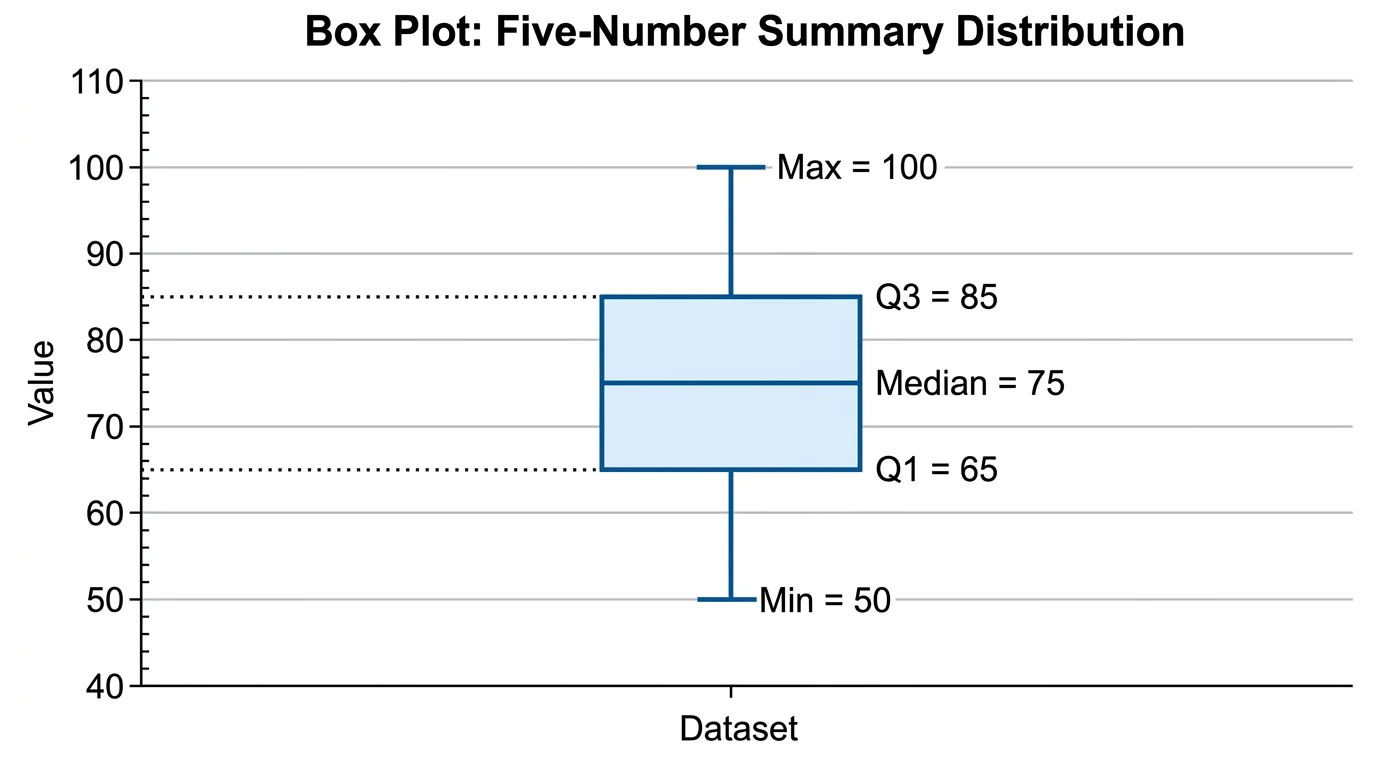 Research
Box Plot Generator
Build box-and-whisker plots for data analysis, homework, and research figures.