Dichotomous Key Maker for Identifying Organisms
Build a dichotomous key for identifying organisms in minutes. Describe the species or specimens you want to classify and the maker drafts paired either/or couplets that branch step by step to a single answer — then export your key, free.
Dichotomous Key Generator
Free to try ·
Your dichotomous key will appear here
Describe the items to classify and click Generate
Dichotomous Key Examples
Identification keys for leaves, animals, insects, minerals, and more
Leaf Identification Key
Couplets split leaves by structure, margin, and venation until each branch ends at one species.
Animal Classification Key
Starts with "has a backbone?" and branches through body coverings and limbs to each animal group.
Rock & Mineral Key
Either/or choices on luster, hardness, and crystal habit lead to a single specimen.
Insect Order Key
Wing number, mouthparts, and metamorphosis branch the key down to each insect order.
Tree Field Key
A field-guide format: conifer or broadleaf first, then needle and leaf traits to each species.
Wildflower Key
Petal count, symmetry, and cluster type branch a single bloom to its name.
What is a dichotomous key?
A dichotomous key is a tool for identifying an organism by working through a series of paired, either/or choices. "Dichotomous" means "divided into two," and that is exactly how the key works: at every step you face two contrasting statements about a trait, and you pick the one that fits your specimen. Each choice rules out part of the possibilities and sends you to the next pair, narrowing the field until only one organism is left. Field guides, biology textbooks, and lab manuals all rely on dichotomous keys because they turn "what is this?" into a short, repeatable path of yes-or-no decisions.
How a dichotomous key works: couplets and branching
Each pair of contrasting choices is called a couplet, and the two halves of a couplet are its leads. You read the two leads, decide which one matches your specimen, and follow the instruction at the end — it either names the organism or directs you to the next couplet by number. Following one lead while ignoring the other is what creates the branching structure: every decision prunes away a whole group of organisms, so the key behaves like a tree that splits in two at each node. A well-built key uses contrasting, observable traits — leaf margin, number of legs, presence of wings — rather than vague or overlapping ones, so each couplet has a clear answer.
How to make a dichotomous key, step by step
- List the organisms you want the key to identify, and observe each one closely.
- Record contrasting characteristics — features that clearly differ between organisms, such as smooth versus serrated leaf edges, or wings versus no wings.
- Write the first couplet around the single trait that splits your whole list most evenly into two groups.
- For each group, write another couplet that divides it further, and keep branching until every group holds just one organism.
- Number the couplets and link each lead to the next couplet or to a final name, then test the key on a real specimen to confirm every path ends correctly.
Two ways to use this dichotomous key maker
- Describe-and-generate: type the organisms and the distinguishing traits you want to use, and the maker drafts a structured key with paired couplets you can refine.
- Sample prompts: start from a ready-made example — leaves, insects, birds, minerals, bacteria — and adapt it to your own specimen list.
- Use a clear, observable trait set (size, color, shape, body parts) so each couplet has one obvious answer, and keep the language simple enough for the audience that will read it.
Dichotomous keys in classification and taxonomy
Dichotomous keys are how biologists put the theory of classification into practice. Taxonomy organizes life into a nested hierarchy — domain, kingdom, phylum, class, order, family, genus, species — and a key is the practical route through that hierarchy for a specimen in hand. The traits in each couplet correspond to the characteristics that define each group, so identifying an unknown organism with a key is really the act of placing it into the taxonomic tree one rank at a time. That is why keys are a staple of biology class: they teach observation, comparison, and the logic of classification all at once, using the same reasoning professional field biologists use.
Tips for writing a clear, accurate key
A reliable dichotomous key follows a few rules. Use contrasting leads — if one lead says "leaves opposite," the other should say "leaves alternate," not "leaves not opposite." Base couplets on stable, observable traits rather than features that change with season, age, or sex. Phrase each lead with a single characteristic so a reader is never weighing two things at once. Make sure every path is exhaustive and mutually exclusive, so any specimen fits exactly one lead at each step and always reaches a single answer. Finally, test the finished key against known organisms to confirm each one is identified correctly before you hand it to students or use it in the field.
Frequently Asked Questions
Related Biology Tools
 Biology
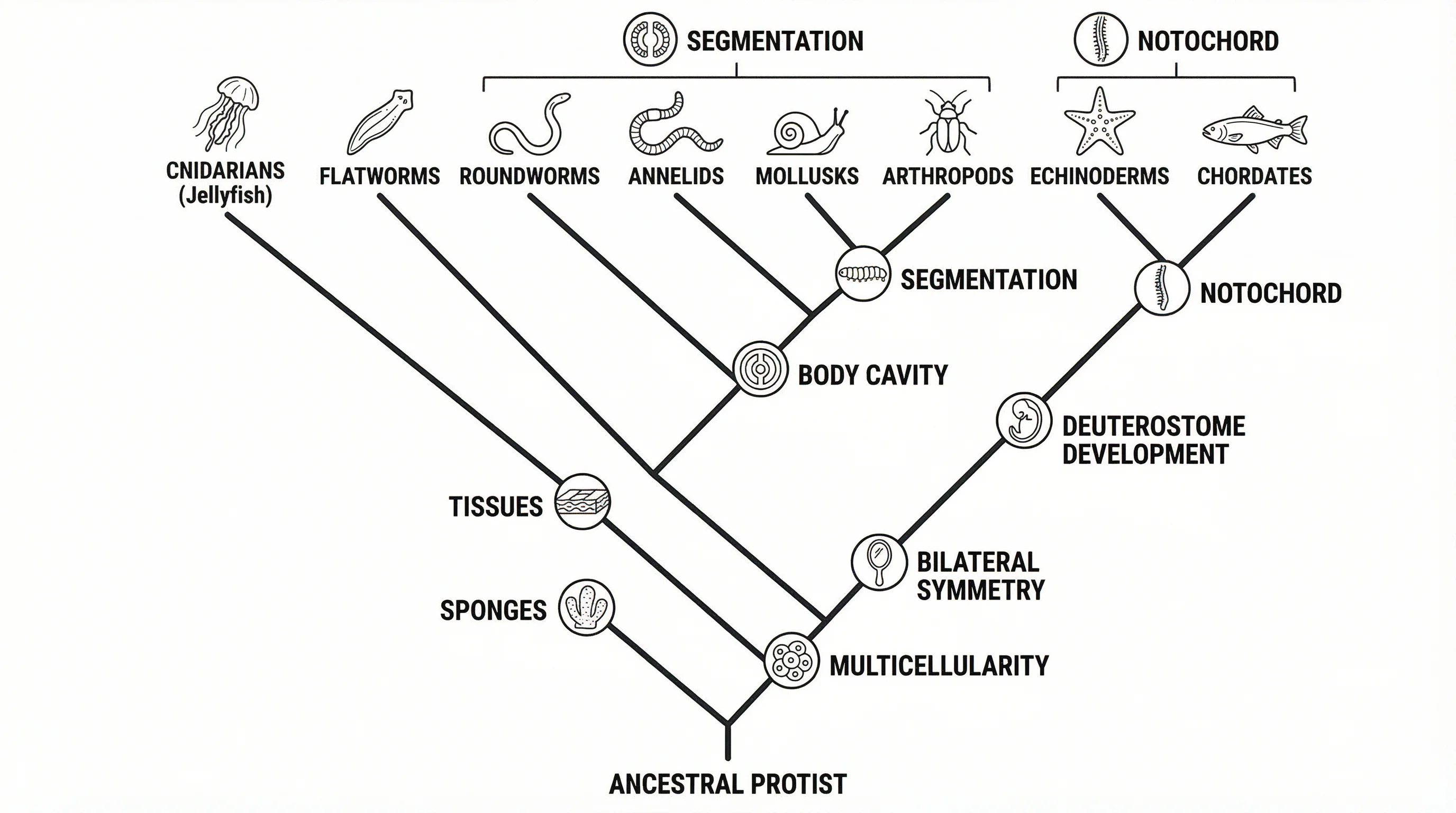
Cladogram Maker
Diagram how organisms are related by evolution, with shared derived traits at each branch.
 Biology
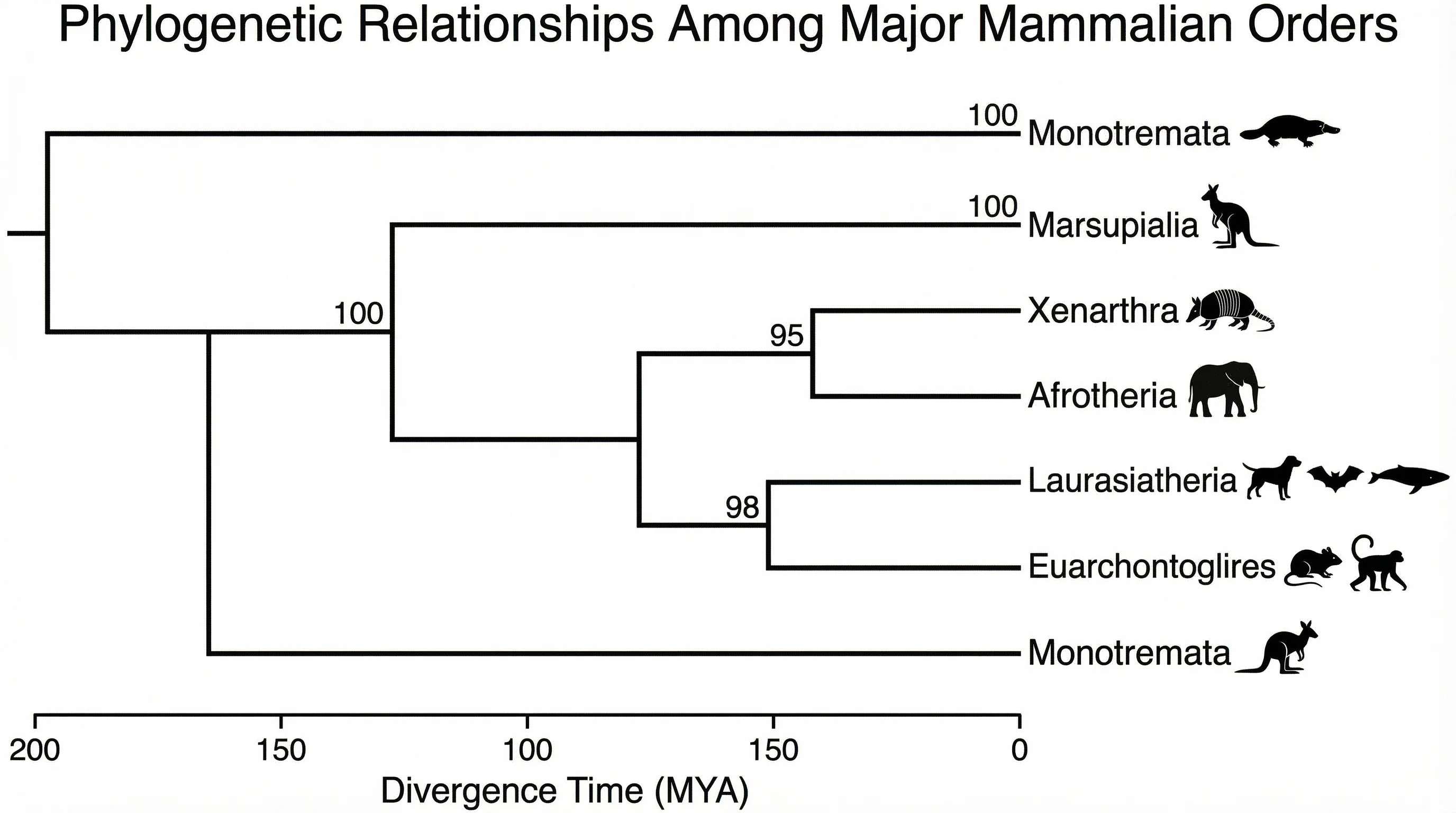
Phylogenetic Tree Maker
Build evolutionary trees that show how species are related across the taxonomic hierarchy.
 Biology
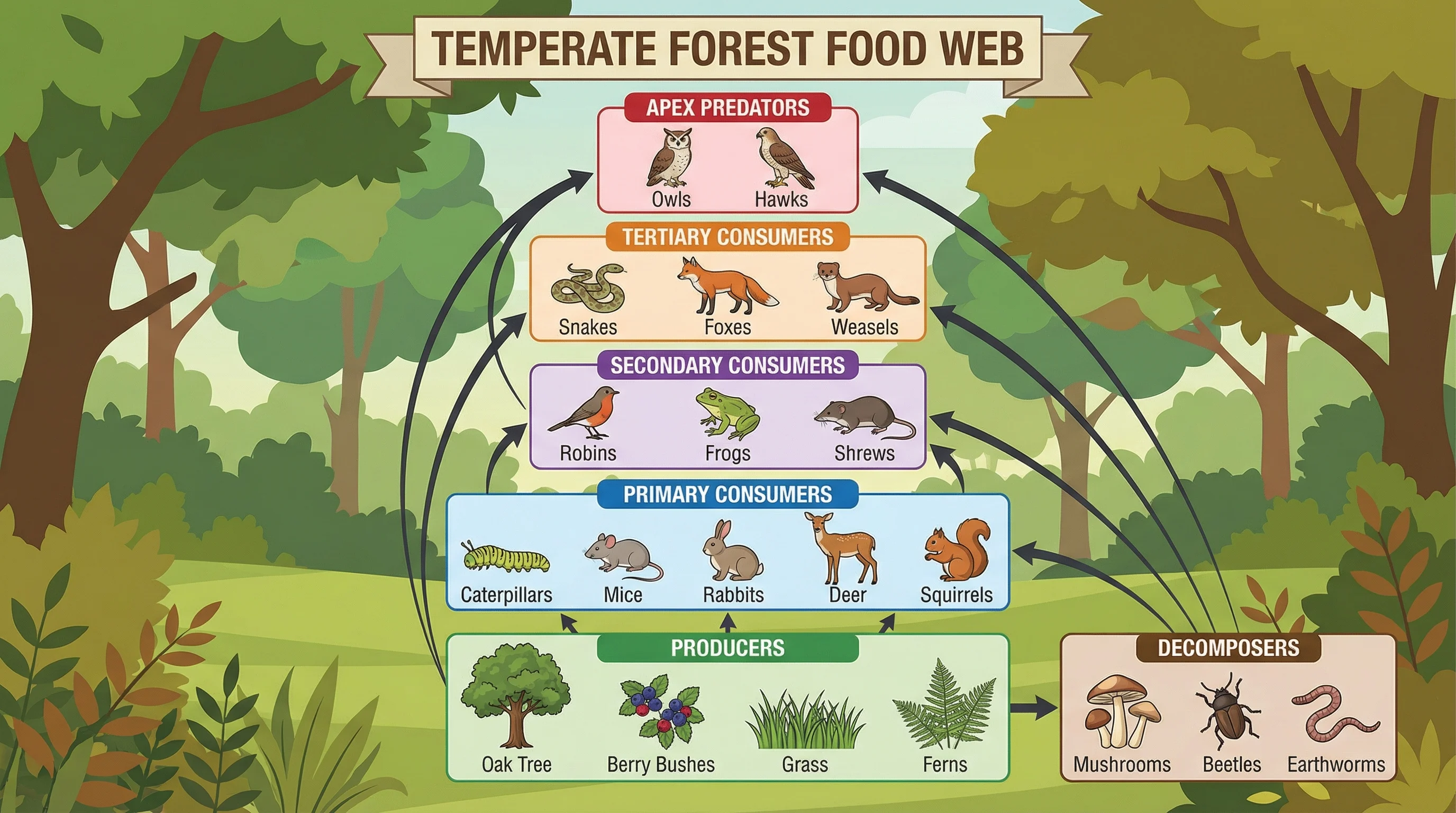
Food Web Maker
Map feeding relationships in an ecosystem, from producers to apex predators.
 Visualization
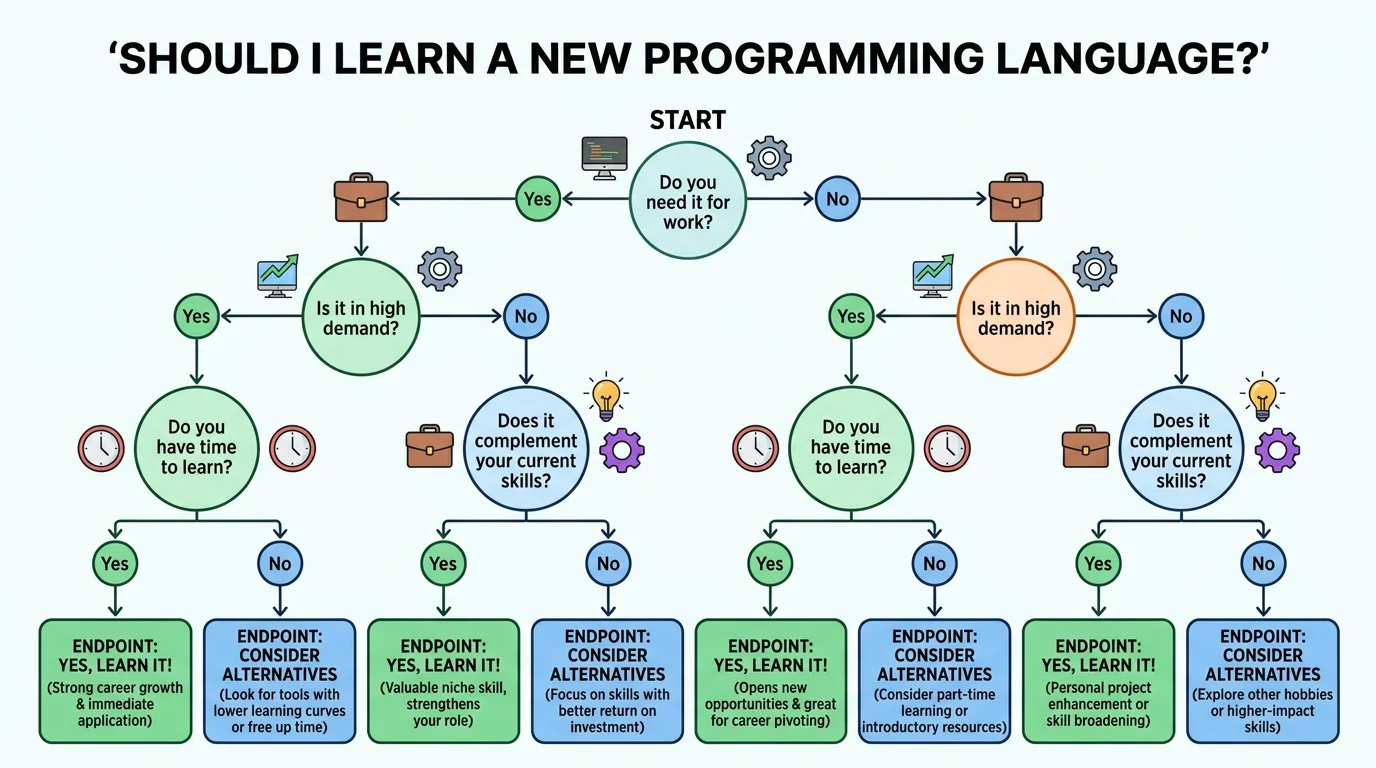
Decision Tree Generator
Turn branching either/or logic into a clear decision tree for any choice or process.