Base-Ten Blocks Generator Place Value
Draw base-ten (place-value) blocks for any number 0–9,999 — cubes, flats, rods, and ones — with labels, an equation, and SVG & PNG export.
Base-Ten Blocks Examples
Common ways to build a place-value blocks diagram
Base-Ten Blocks for 234
The number 234 built from 2 hundreds flats, 3 tens rods, and 4 ones, with labels and the place-value equation.
Hundreds, Tens, and Ones Blocks
A clear look at all three block shapes together — hundreds flats, tens rods, and ones — for the number 352.
Thousands Cube Base-Ten Blocks
The thousands cube alongside flats, rods, and ones — the full base-ten block set for four-digit numbers.
Comparing Numbers with Base-Ten Blocks
Two numbers built side by side in blocks — a common worksheet layout for comparing place value.
Base-Ten Blocks for 1,234
A four-digit number, 1,234, built from 1 thousand cube, 2 hundred flats, 3 tens rods, and 4 ones.
Base-Ten Blocks Classroom Poster
A bright reference poster showing all four base-ten block shapes side by side, handy for a classroom wall.
What are base-ten blocks?
Base-ten blocks (also called Dienes blocks or MAB blocks) are the classic elementary manipulative for place value. A single small cube stands for one; ten of those cubes join into a "rod" or "long" worth ten; ten rods join into a flat 10×10 square worth a hundred; and ten flats stack into a large cube worth a thousand. Because each shape is physically ten times the one before it, students can see — not just recite — that ten ones make a ten, ten tens make a hundred, and ten hundreds make a thousand. This generator builds that exact picture for any whole number from 0 to 9,999, counting out the right number of cubes, flats, rods, and ones automatically.
How the block count is worked out
- Every number decomposes into digits by place: thousands, hundreds, tens, and ones. The tool reads each digit directly from the number — for 234 that is 0 thousands, 2 hundreds, 3 tens, and 4 ones — and draws that many of each block shape.
- Because the decomposition is exact integer arithmetic (no rounding), the picture always matches the number precisely: change the input and the block counts update instantly, digit by digit.
- The place-value equation printed underneath, such as "234 = 2 hundreds + 3 tens + 4 ones", spells out in words exactly what the blocks show, which is useful for students who are just connecting the picture to the digits.
Reading a four-digit number in blocks
- Once a number reaches 1,000, a large thousands cube appears alongside the flats, rods, and ones. Seeing the cube next to a flat makes the scale jump obvious: the cube is built from ten flats, just as a flat is built from ten rods.
- For a number like 1,462, the picture shows 1 thousands cube, 4 hundreds flats, 6 tens rods, and 2 ones — a direct, countable model of a number that is otherwise just four digits on a page.
- This is especially useful for the jump from three-digit to four-digit numbers, where many students first meet the idea that place value keeps scaling by ten forever.
Using base-ten blocks for regrouping
- Base-ten blocks are also the go-to model for teaching regrouping (carrying and borrowing) in addition and subtraction: ten ones cubes trade for one tens rod, and ten tens rods trade for one hundreds flat.
- Because each shape is literally ten of the smaller one, the trade is visible rather than abstract — a student adding 8 + 5 can physically see 10 ones become 1 rod and 3 ones left over, which is exactly the regrouping step in column addition.
- Printing two numbers as blocks side by side is also a quick way to compare magnitude at a glance before moving on to symbolic greater-than/less-than work.
Printable, exportable, and free
- Toggle place-value labels under each group of blocks, and toggle the equation line to match a worksheet or a quick demonstration on the board.
- Pick a color for the hundreds, tens, and ones blocks to match your classroom materials or to color-code place value for a specific lesson.
- Everything renders in your browser and exports as a crisp SVG or a high-resolution PNG, so the blocks print sharply at any size and drop cleanly into worksheets, slides, or flashcards.
Frequently Asked Questions
Related Math Tools
 Education
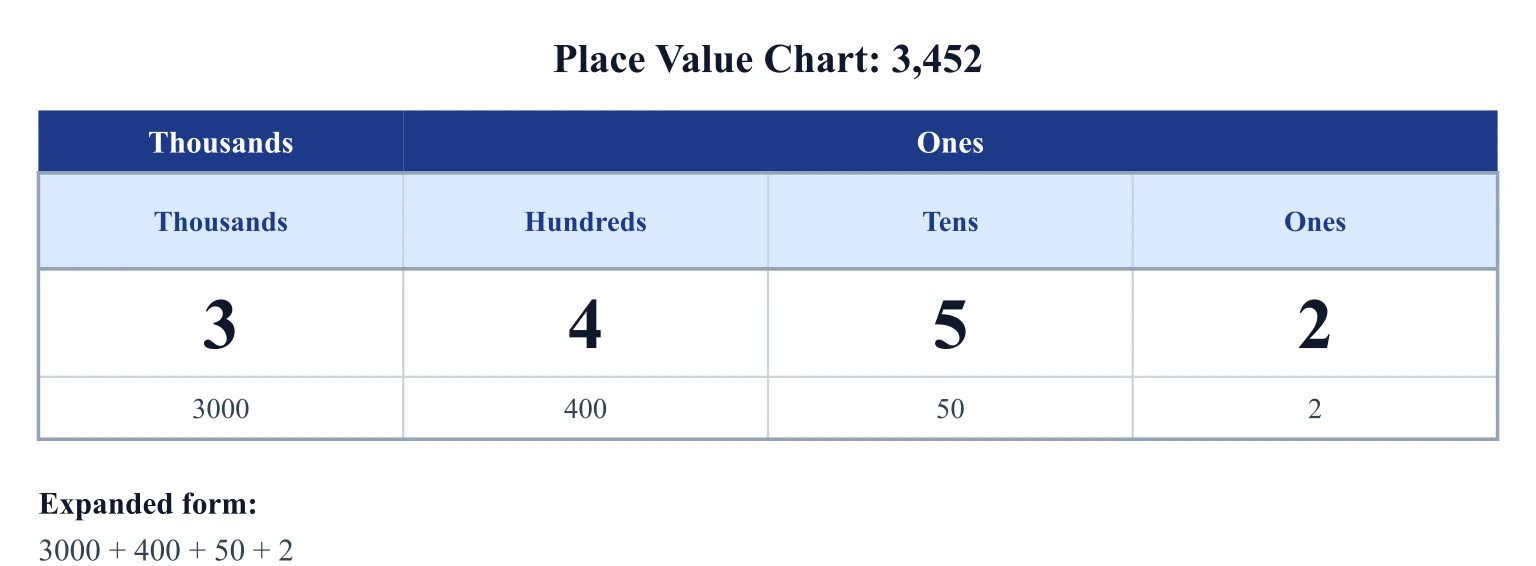
Place Value Chart Generator
Make a place value chart for any number — place each digit in its column from ones to millions, show digit values and expanded form.
 Education
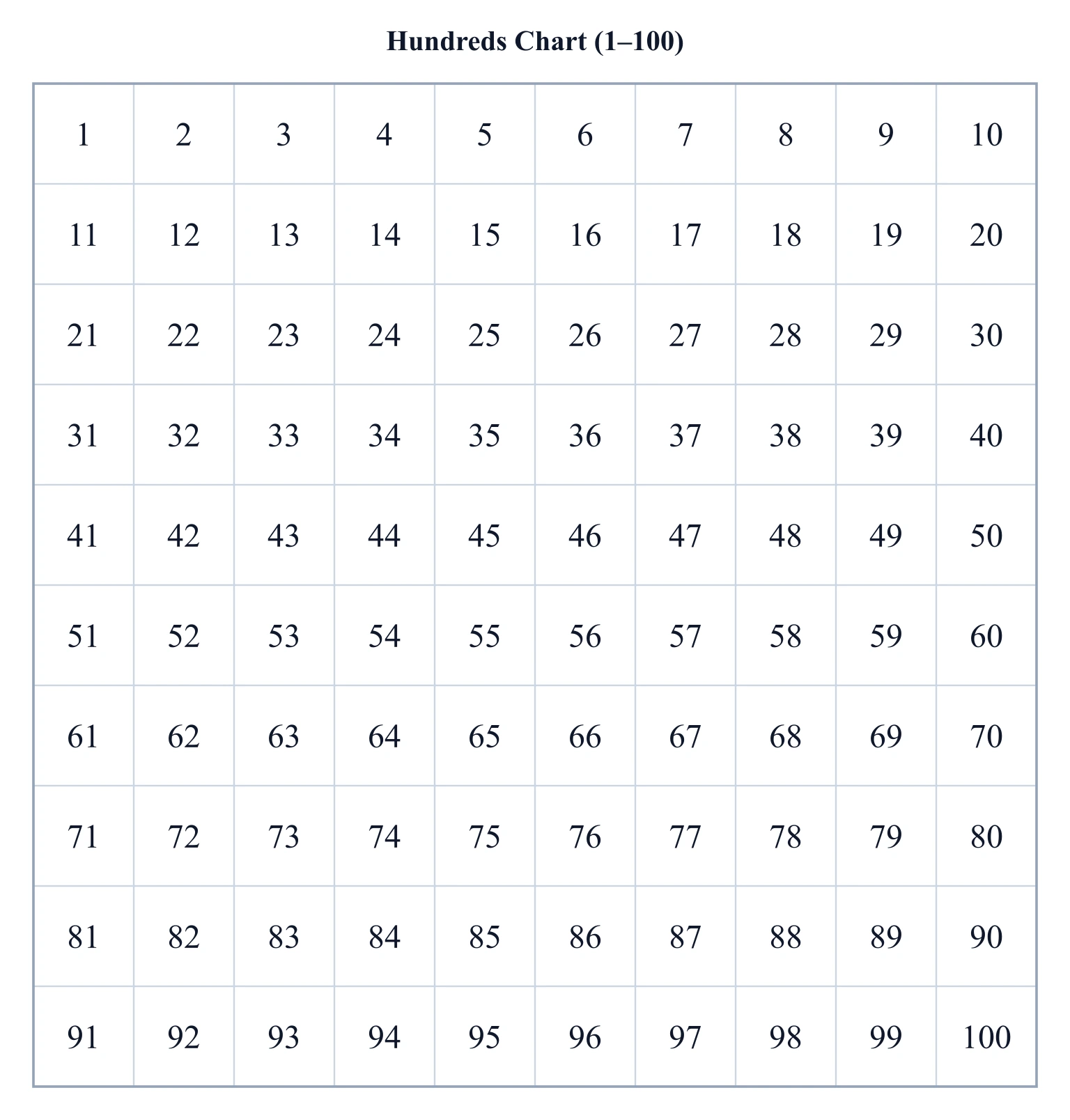
Hundreds Chart Generator
Make a printable hundreds chart — a 10×10 grid of 1 to 100. Skip count, highlight multiples or primes, or print a blank chart.
 Education
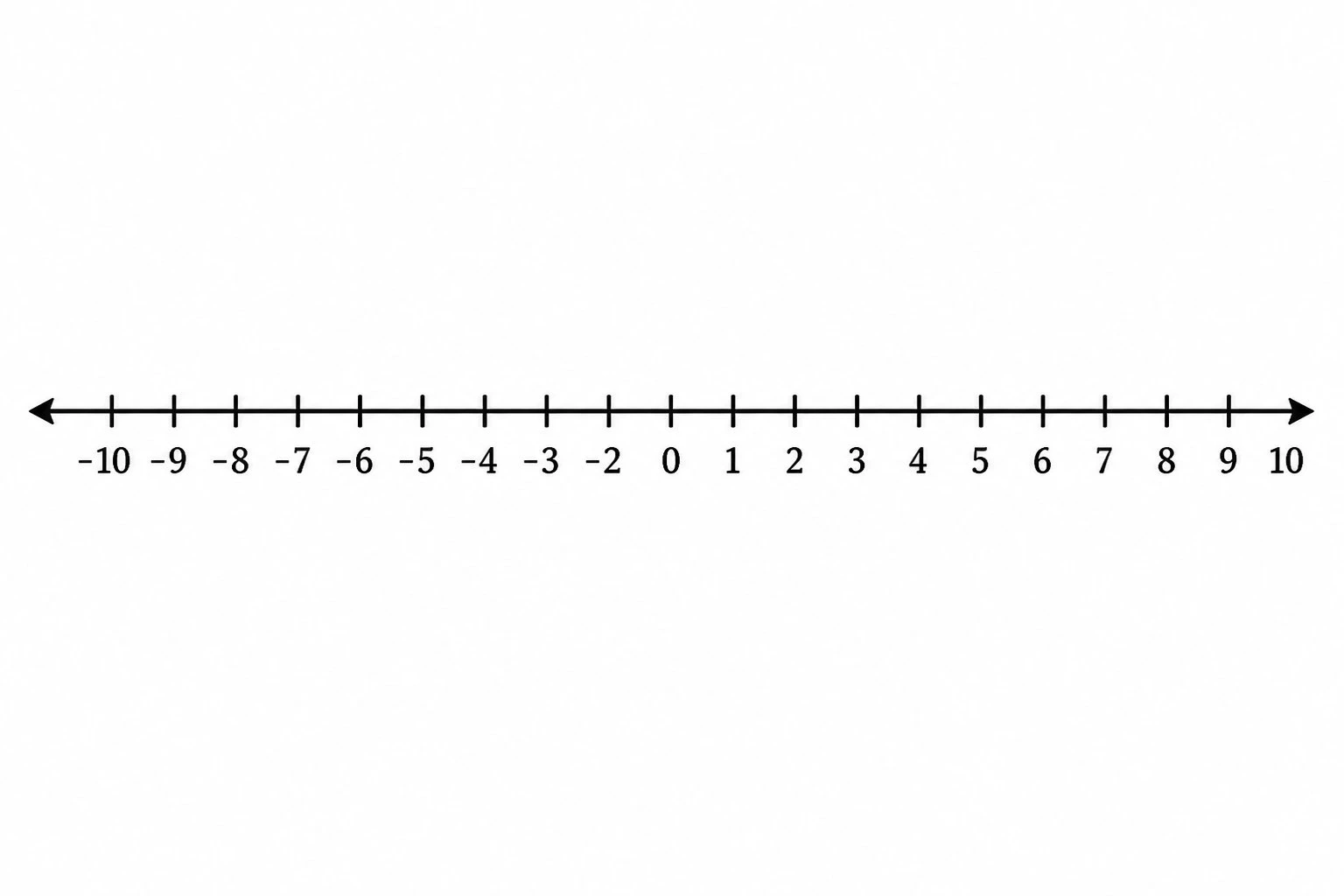
Number Line Generator
Create clean, printable number lines — plot points, graph inequalities and intervals, and mark fractions or decimals.