Rock Cycle Diagram Generator for Igneous, Sedimentary & Metamorphic Rocks
Generate a clear rock cycle diagram showing igneous, sedimentary, and metamorphic rocks and the processes that connect them — weathering, deposition, heat and pressure, melting, and cooling. Describe what you need and get a labeled or blank diagram for class, notes, or worksheets.
Rock Cycle Diagram Generator
Free to try ·
Your rock cycle diagram will appear here
Describe your diagram and click Generate
Rock Cycle Diagram Examples
Labeled, blank, and cross-section diagrams covering all three rock types
Labeled Rock Cycle
The full cycle with every rock type and process labeled — weathering, deposition, heat and pressure, melting, and cooling.
Blank Worksheet Version
A fill-in-the-blank version with empty boxes on each arrow and reservoir — ready to print for quizzes and worksheets.
Simple Elementary Version
Plain-language labels and friendly illustrations for younger students learning the cycle for the first time.
Detailed High-School Version
Adds named rock examples and sub-processes like lithification and metamorphism for older students.
Rock Cycle with Minerals
Connects the cycle to mineral composition — handy for linking rock types to what they are made of.
Cross-Section View
Places the cycle inside Earth, from surface erosion down to magma chambers and plate boundaries.
What is the rock cycle?
The rock cycle is the set of natural processes that turn one type of rock into another over time. There are three main rock types — igneous, sedimentary, and metamorphic — and each can become any of the others through processes such as weathering, melting, heat, and pressure. It is called a cycle because there is no fixed start or end: a mountain can erode into sand that becomes sedimentary rock, get buried and squeezed into metamorphic rock, melt into magma, and cool back into igneous rock — and the loop keeps going. A rock cycle diagram captures all of this on a single page, which is exactly what this generator draws from a short description.
The three rock types and how each forms
- Igneous rock forms when molten magma or lava cools and crystallizes. Magma that cools slowly underground makes coarse rock like granite; lava that cools fast at the surface makes fine rock like basalt.
- Sedimentary rock forms when small pieces of older rock (sediment) are deposited in layers, then pressed and cemented together. Examples include sandstone and limestone, and these rocks often contain fossils.
- Metamorphic rock forms when existing rock is changed by heat and pressure deep underground, without fully melting. Limestone becomes marble, and shale becomes slate, as their minerals recrystallize.
The processes that transform rocks
- Weathering and erosion break surface rock into sediment and move it downhill, into rivers, and toward basins.
- Deposition drops that sediment in layers, usually in lakes, seas, or floodplains.
- Compaction and cementation press the buried layers together and glue them with minerals, turning loose sediment into sedimentary rock — a process called lithification.
- Heat and pressure deep in the crust change rock into metamorphic rock without melting it.
- Melting turns rock into magma when temperatures climb high enough, often near plate boundaries or hot spots.
- Cooling and crystallization solidify magma or lava back into igneous rock, completing one path around the cycle.
Why the rock cycle has no fixed start
Diagrams often draw the rock cycle as a circle, but the real cycle has many shortcuts and no single starting point. Igneous rock can weather straight into sediment, or it can be buried and turned into metamorphic rock without ever becoming sedimentary first. Metamorphic rock can melt into magma, or it can be uplifted, exposed, and weathered. Sedimentary rock can be re-buried into more metamorphic rock. Good diagrams show these direct pathways with extra arrows across the middle, not just the outer loop — and you can ask this tool for a version that emphasizes those multiple transformation pathways.
Labeled diagrams vs. blank worksheets
For teaching and notes, a fully labeled diagram is best — every rock type and process named so students can see how the pieces connect. For quizzes and practice, a blank or partly blank version works better: the arrows and reservoirs stay visible, but the labels become empty boxes for students to fill in. This generator can produce either one. Ask for a labeled diagram to introduce the topic, then ask for an unlabeled worksheet of the same layout to test recall — a simple before-and-after pairing that fits neatly into a lesson.
How to generate a rock cycle diagram from a description
- Describe what you need in plain English: the grade level, whether you want it labeled or blank, any rock examples to include, and a style such as simple, detailed, or cross-section.
- Pick an aspect ratio — a square works well for a circular cycle, while a wider ratio suits a cross-section view or a poster.
- Generate the diagram, review it for accuracy, and regenerate with a more specific prompt if a label or arrow is off.
- Download the result to drop into slides, a handout, a worksheet, or your study notes.
Frequently Asked Questions
Related Earth Science Tools
 Earth Science
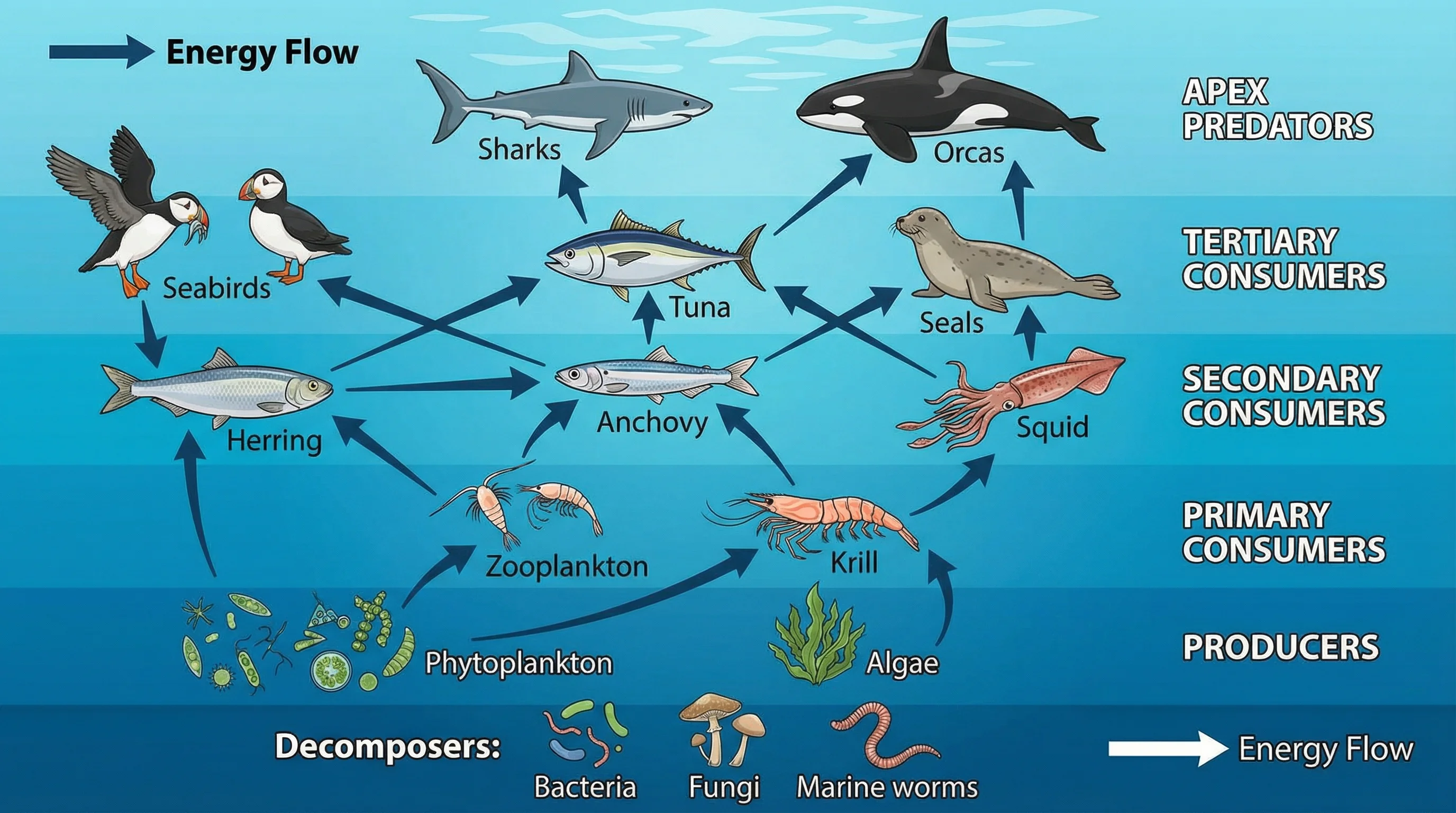
Food Web Maker
Build labeled food webs showing producers, consumers, and energy flow through an ecosystem.
 Science
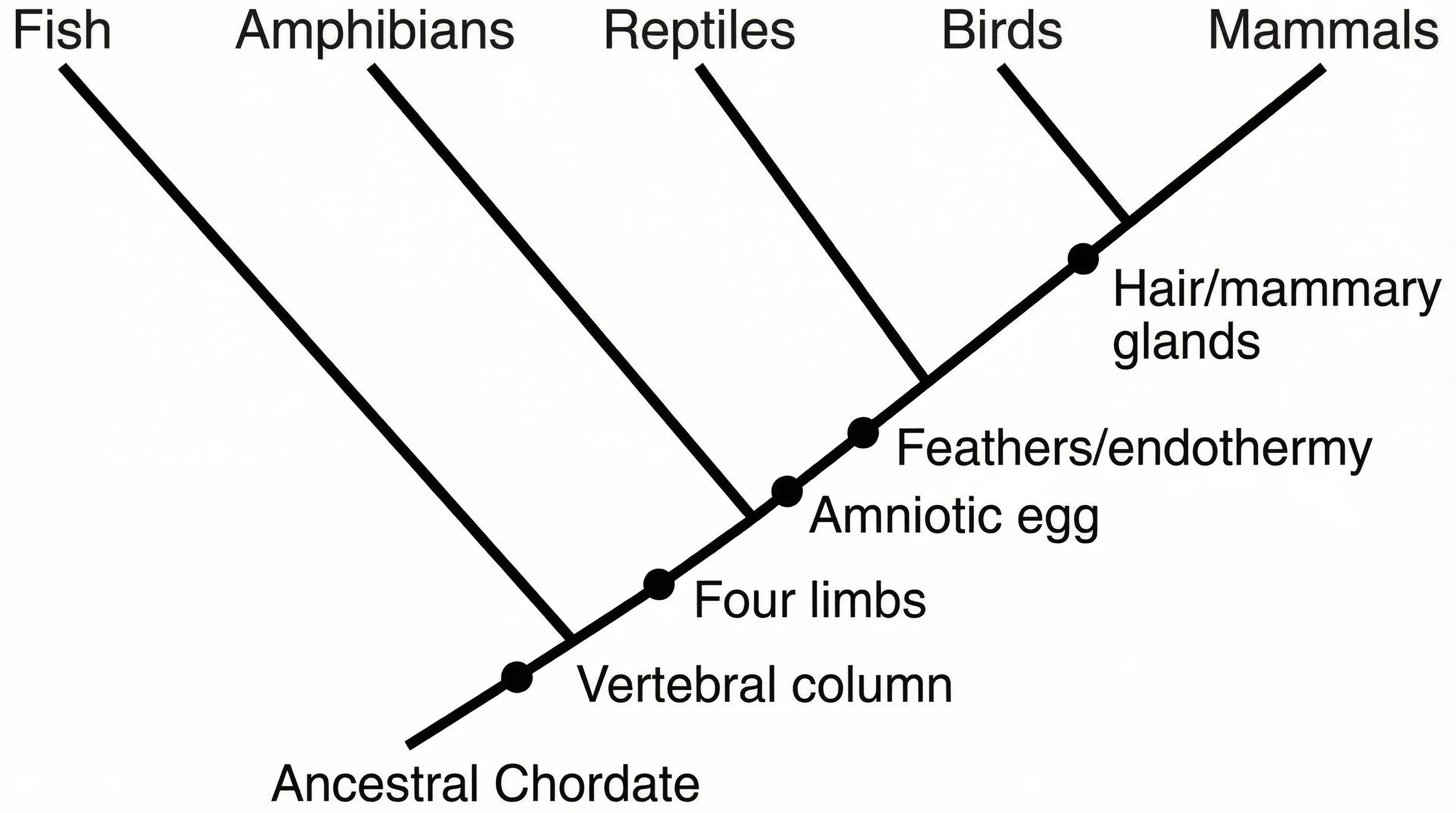
Phylogenetic Tree Generator
Draw cladograms and phylogenetic trees that map how species are related over time.
 Diagrams
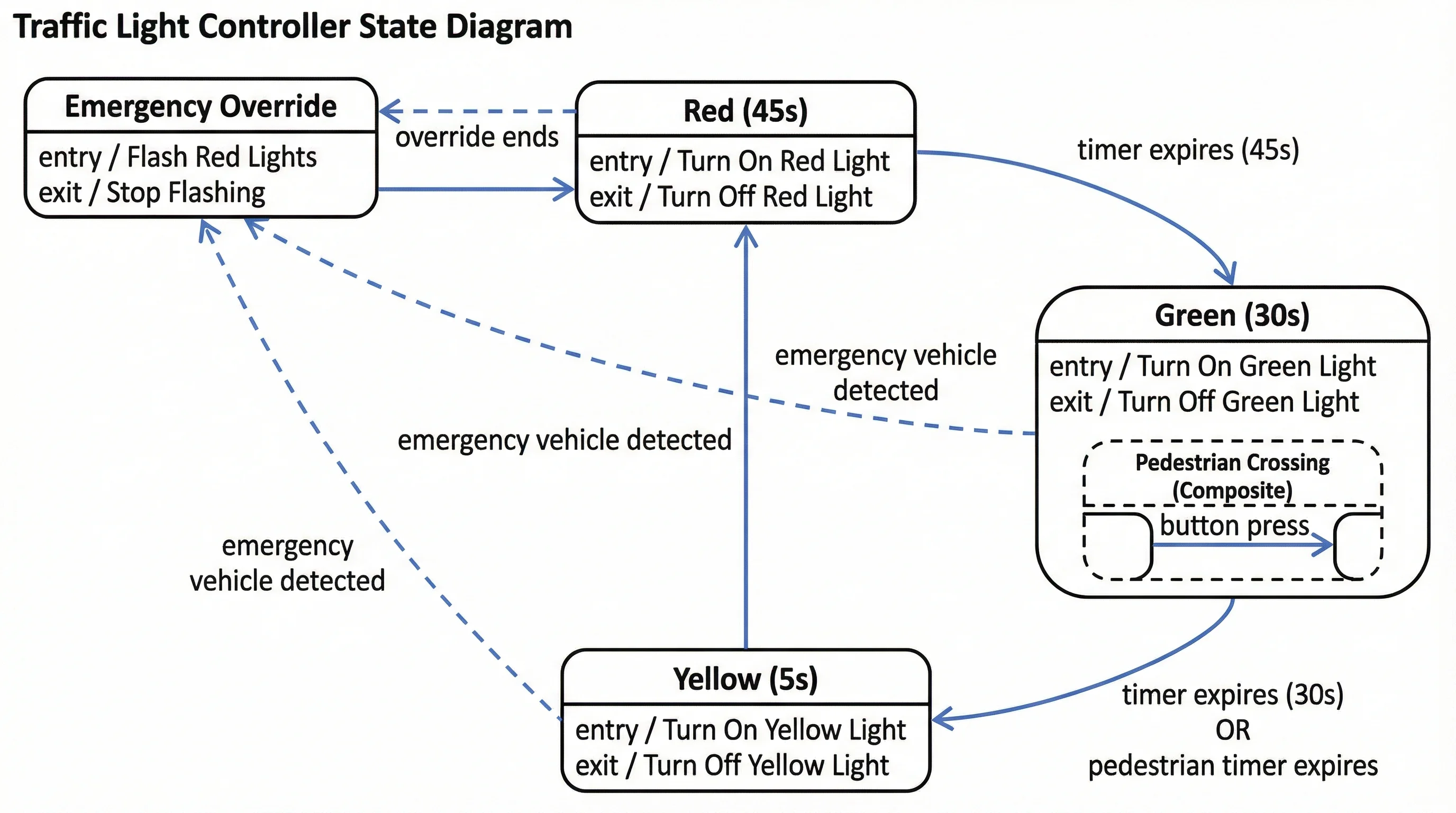
State Diagram Generator
Create labeled state diagrams to show how a system moves between stages and conditions.