Bell Curve Generator Bell Curves
Describe your distribution parameters and our AI will create a professional bell curve instantly. Perfect for statistics courses, research papers, and data analysis presentations.
Bell Curve Generator
Free to try ·
Your bell curve will appear here
Describe your distribution and click Generate
Bell Curve Examples
Browse normal distribution examples or generate your own above
Standard Normal Distribution
Classic standard normal distribution (Z-distribution) with mean=0, σ=1, showing the 68-95-99.7 rule with percentage labels.
Exam Score Distribution
Normal distribution of exam scores with letter grade boundaries and percentile markers for educational assessment.
Two-Distribution Comparison
Overlapping normal distributions comparing control and treatment groups, commonly used in hypothesis testing.
Confidence Interval Visualization
Normal distribution showing confidence intervals with critical values and rejection regions for hypothesis testing.
IQ Score Distribution
IQ score normal distribution with cognitive classification ranges and population percentages.
Quality Control Chart
Six Sigma quality control bell curve showing process capability with specification limits and defect rates.
4 more examples available
Sign in for free to unlock all example diagrams and generate your own 4k custom diagrams.
What is a Bell Curve?
A bell curve, also known as a normal distribution or Gaussian distribution, is a symmetric probability distribution that forms a characteristic bell shape when graphed. The highest point of the curve represents the mean (average), and the data spreads symmetrically on both sides. Bell curves are fundamental to statistics and appear naturally in many real-world phenomena, from test scores and height distributions to measurement errors and quality control processes. The shape is defined by two parameters: the mean (μ) which determines the center, and the standard deviation (σ) which determines the spread.
The 68-95-99.7 Rule (Empirical Rule)
- 68% of data falls within 1 standard deviation of the mean (μ ± 1σ)
- 95% of data falls within 2 standard deviations of the mean (μ ± 2σ)
- 99.7% of data falls within 3 standard deviations of the mean (μ ± 3σ)
- This rule helps quickly estimate probabilities and identify outliers in normally distributed data
- Values beyond 3σ are considered statistically rare (only 0.3% of observations)
- The rule is widely used in quality control, grading curves, and hypothesis testing
Applications of Bell Curves in Research
Bell curves are used across virtually every scientific discipline. In psychology, IQ scores and personality traits follow normal distributions. In education, standardized test scores are often normally distributed, enabling percentile rankings and grade assignments. In manufacturing, bell curves underpin Six Sigma quality control, where processes aim to keep defects within tight standard deviation limits. In finance, stock returns and risk models frequently assume normal distributions. In medical research, bell curves help analyze drug responses, blood pressure readings, and other biological measurements across populations.
How to Create a Bell Curve
- Define your mean (μ) — the center point of the distribution
- Specify the standard deviation (σ) — how spread out the data is
- Choose what to highlight: confidence intervals, grade boundaries, or comparison groups
- Select annotation style: percentages, z-scores, or raw values on the x-axis
- Add shading for specific regions of interest (tails, central area, or custom ranges)
- Our AI generator handles all the math and produces publication-ready graphs instantly
Bell Curve vs Other Distributions
While the bell curve (normal distribution) is the most common, not all data follows this pattern. Skewed distributions have longer tails on one side, common in income data or reaction times. Bimodal distributions have two peaks, seen in mixed populations. Uniform distributions have equal probability across all values. Understanding when data is truly normal is critical — using bell curve assumptions on non-normal data leads to incorrect statistical conclusions. Our tool focuses on generating accurate normal distribution visualizations for data that has been verified to follow this pattern.
Frequently Asked Questions
More Data Visualization Tools
ResearchScatter Plot Maker
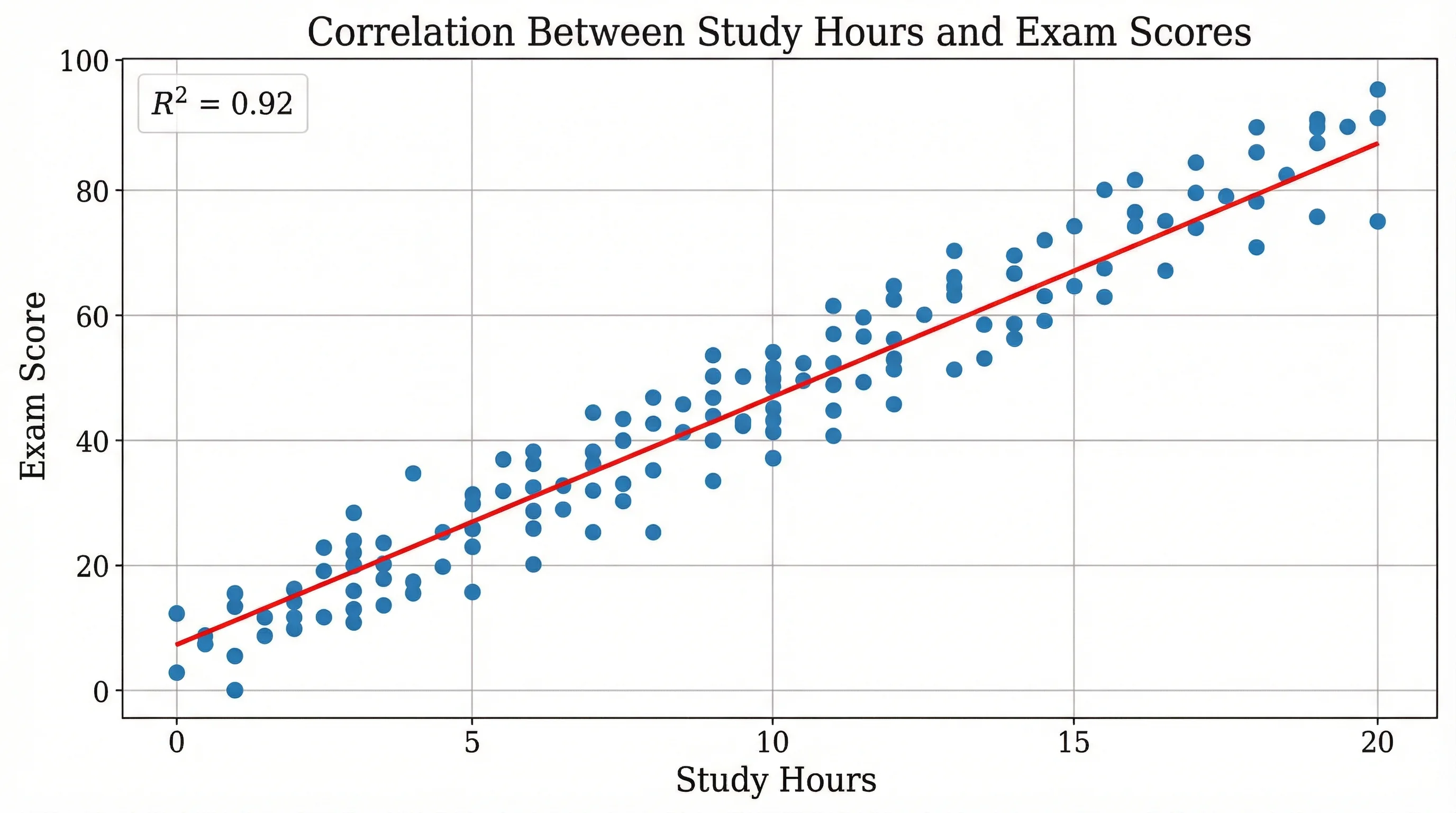
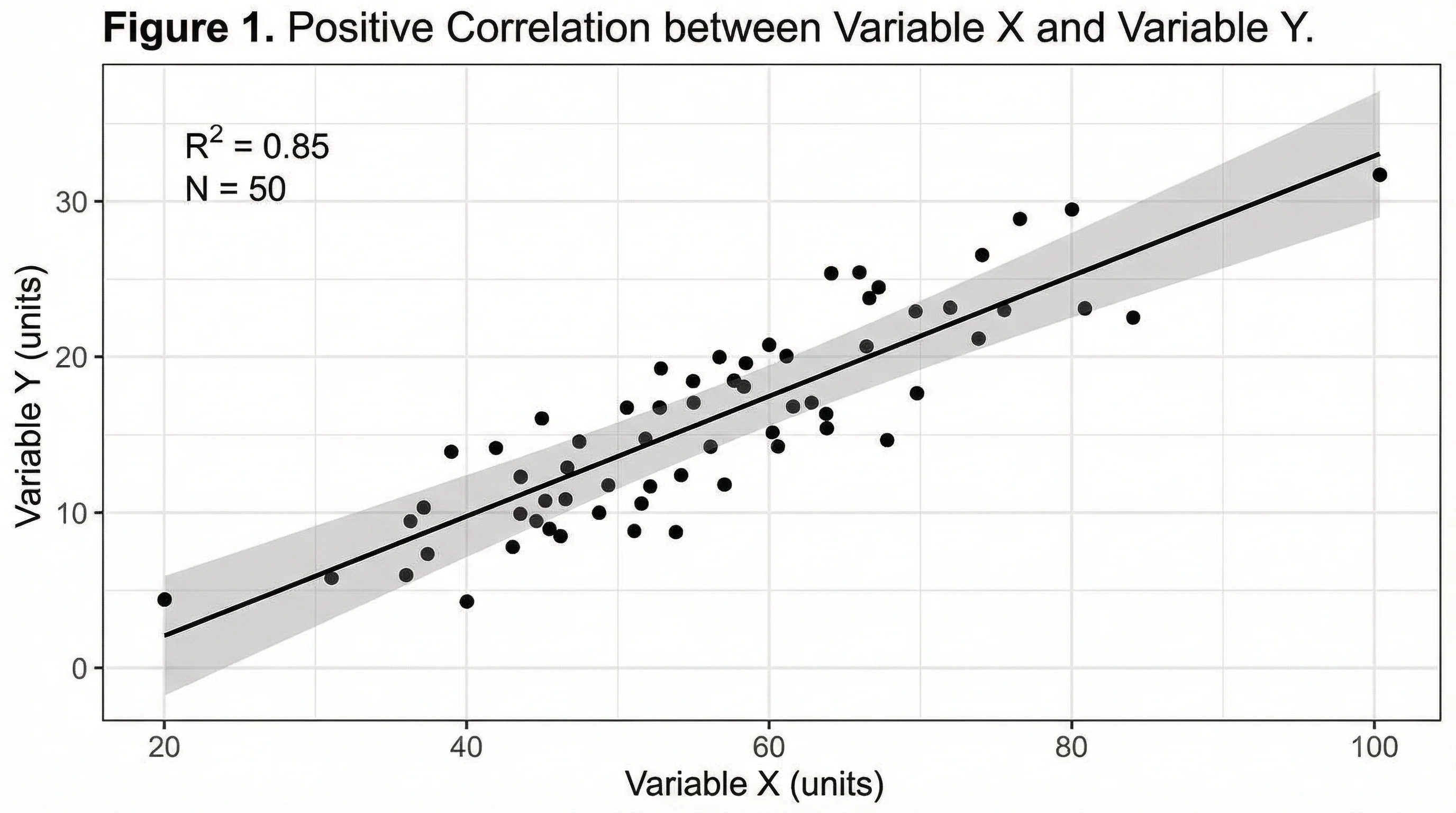
Create professional scatter plots for correlation analysis and regression visualization.
ResearchAI Chart Generator
Generate bar charts, line graphs, pie charts, and more for data visualization.
ResearchConceptual Framework Generator
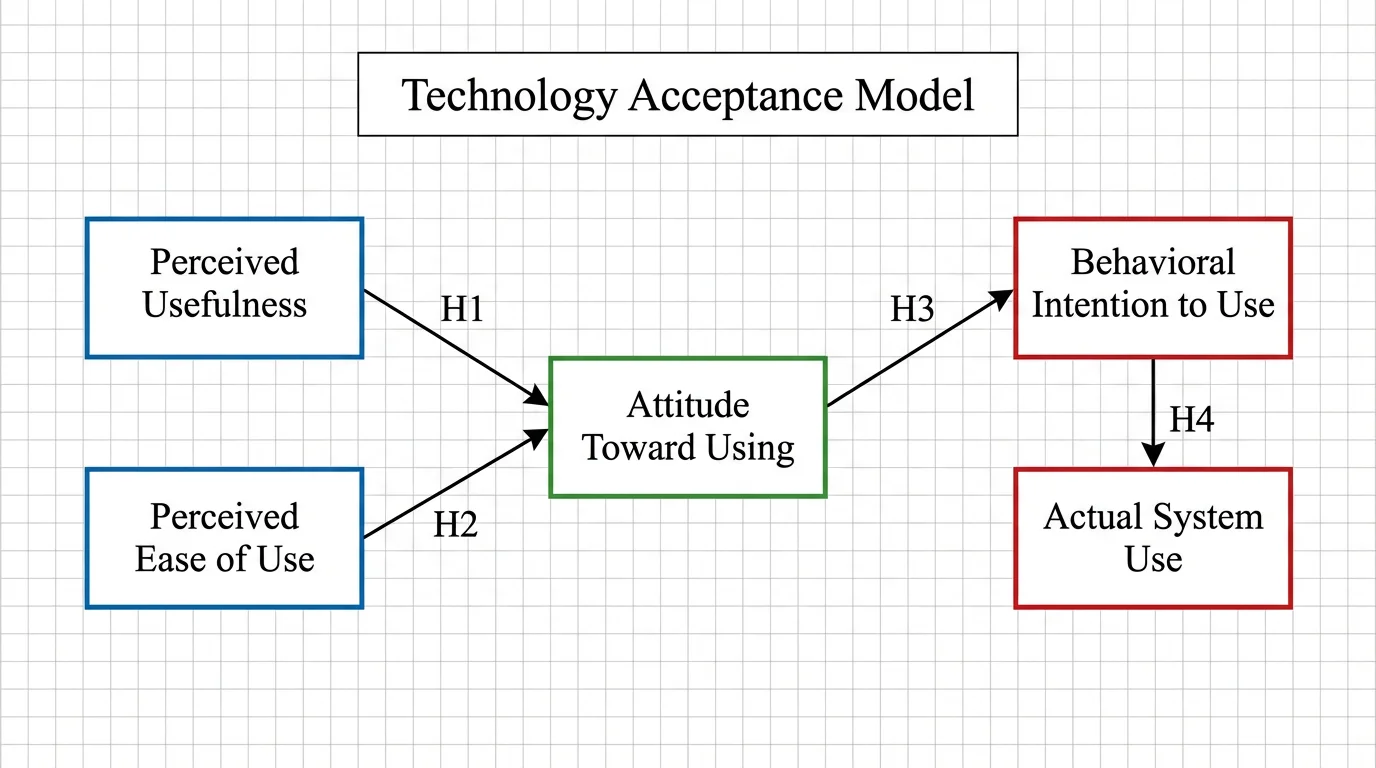
Create conceptual frameworks to visualize research variables and relationships.