Générateur de diagramme de phrase Diagrammes de phrase
Saisissez n'importe quelle phrase en anglais et notre IA créera un diagramme Reed-Kellogg clair montrant les sujets, les prédicats, les modificateurs et les propositions. Parfait pour les cours de grammaire anglaise, l'aide aux devoirs et l'apprentissage de la langue.
Générateur de diagramme de phrase
Reed-Kellogg
Use sample
Reed-Kellogg diagram
ReadyEntrez une phrase et cliquez sur Générer
Enter a real English sentence to generate a sentence diagram.
Exemples de diagrammes de phrase
Parcourez des exemples de différents types de phrases ou générez le vôtre ci-dessus
Diagramme de phrase simple
Diagramme Reed-Kellogg classique décomposant une phrase simple avec des adjectifs et un syntagme prépositionnel.
Diagramme de phrase composée
Diagramme de phrase composée montrant deux propositions indépendantes reliées par la conjonction 'and'.
Diagramme de phrase complexe
Diagramme de phrase complexe présentant une proposition subordonnée reliée à la proposition principale.
Diagramme de syntagmes prépositionnels
Diagramme de phrase illustrant plusieurs syntagmes prépositionnels avec des étiquettes claires des parties du discours.
Diagramme de voix passive
Diagramme de phrase à la voix passive avec le verbe auxiliaire et le complément d'agent en 'by' clairement indiqués.
Diagramme de proposition relative
Diagramme de phrase présentant une proposition relative modifiant un nom dans la proposition principale.
Qu'est-ce qu'un diagramme de phrase ?
Un diagramme de phrase est une représentation visuelle de la structure grammaticale d'une phrase anglaise. Il cartographie les relations entre les mots en les plaçant sur un système de lignes horizontales et diagonales. Le format le plus reconnu est le diagramme Reed-Kellogg, qui utilise une ligne de base horizontale pour montrer la relation sujet-verbe fondamentale, avec les modificateurs se ramifiant sur des lignes diagonales en dessous. Les diagrammes de phrase aident les étudiants et les apprenants en langues à comprendre comment les différentes parties du discours fonctionnent au sein d'une phrase, rendant les règles grammaticales abstraites concrètes et visuelles.
Histoire de la méthode Reed-Kellogg
Le système de diagramme de phrase Reed-Kellogg a été développé par Alonzo Reed et Brainerd Kellogg dans leur manuel de 1877 « Higher Lessons in English ». Leur méthode a introduit l'emblématique ligne de base horizontale divisée par une barre verticale séparant le sujet du prédicat. Les modificateurs sont placés sur des lignes obliques sous les mots qu'ils modifient, et les propositions sont représentées sur des niveaux séparés reliés par des lignes pointillées. Ce système est devenu la norme pour l'enseignement de la grammaire dans les écoles américaines pendant plus d'un siècle et reste largement utilisé dans les salles de classe et les manuels de grammaire aujourd'hui.
Comment diagrammer différents types de phrases
- Phrases simples : placez le sujet et le prédicat sur la ligne de base séparés par une barre verticale, avec les modificateurs sur des lignes diagonales en dessous
- Phrases composées : tracez deux lignes de base (une pour chaque proposition indépendante) reliées par une ligne en escalier pour la conjonction
- Phrases complexes : montrez la proposition principale sur la ligne de base primaire et les propositions subordonnées sur des lignes séparées reliées par des lignes pointillées
- Phrases composées-complexes : combinez les techniques pour les structures composées et complexes sur plusieurs niveaux
- Voix passive : placez le sujet (receveur de l'action) sur la ligne de base avec le verbe auxiliaire et le participe passé comme prédicat
- Questions : réarrangez les mots dans l'ordre déclaratif avant de diagrammer, puis appliquez les règles standard
Avantages du diagramme de phrase pour l'apprentissage de la grammaire
Le diagramme de phrase offre une approche visuelle et pratique de la compréhension de la grammaire qui bénéficie aux apprenants de tous âges. En plaçant physiquement les mots sur un diagramme, les étudiants intériorisent comment les sujets, les verbes, les objets et les modificateurs sont liés les uns aux autres. Les recherches montrent que la pratique du diagramme améliore la compréhension en lecture, la clarté de l'écriture et la précision grammaticale. C'est particulièrement efficace pour les apprenants visuels qui ont du mal avec les règles grammaticales abstraites. Les enseignants utilisent les diagrammes de phrase pour identifier les faiblesses grammaticales spécifiques dans les écrits des étudiants et pour enseigner la variété et la complexité des phrases en cours de composition.
Le diagramme de phrase dans l'éducation moderne
Bien que le diagramme de phrase soit tombé en désuétude dans certains programmes à la fin du XXe siècle, il connaît un regain d'intérêt dans les contextes éducatifs traditionnels et progressistes. Les programmes d'éducation classique et les programmes d'enseignement à domicile continuent de s'appuyer fortement sur la méthode Reed-Kellogg. Parallèlement, les outils numériques et les générateurs alimentés par l'IA ont rendu la pratique du diagramme plus accessible et engageante pour les étudiants modernes. Les programmes de linguistique universitaires utilisent les diagrammes en arbre aux côtés des diagrammes Reed-Kellogg pour enseigner la syntaxe. Notre générateur de diagrammes de phrase par IA fait le pont entre l'enseignement traditionnel de la grammaire et la technologie moderne, créant des diagrammes clairs et précis instantanément à partir de n'importe quelle phrase anglaise.
Questions Fréquentes
Plus d'outils éducatifs et linguistiques
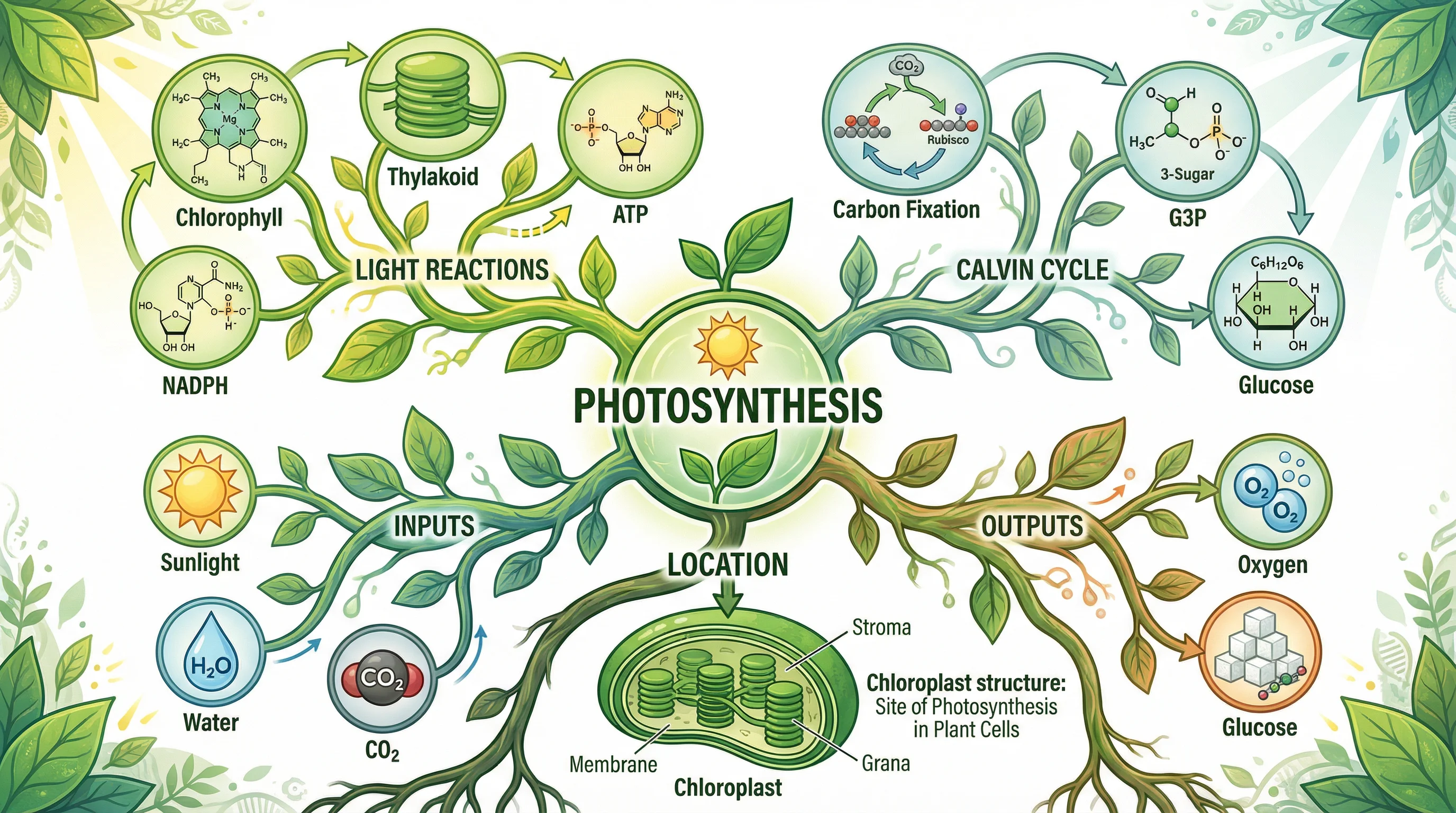 Éducation
Générateur de carte mentale
Générez des cartes mentales visuelles pour réfléchir à des idées et organiser l'information de manière hiérarchique.
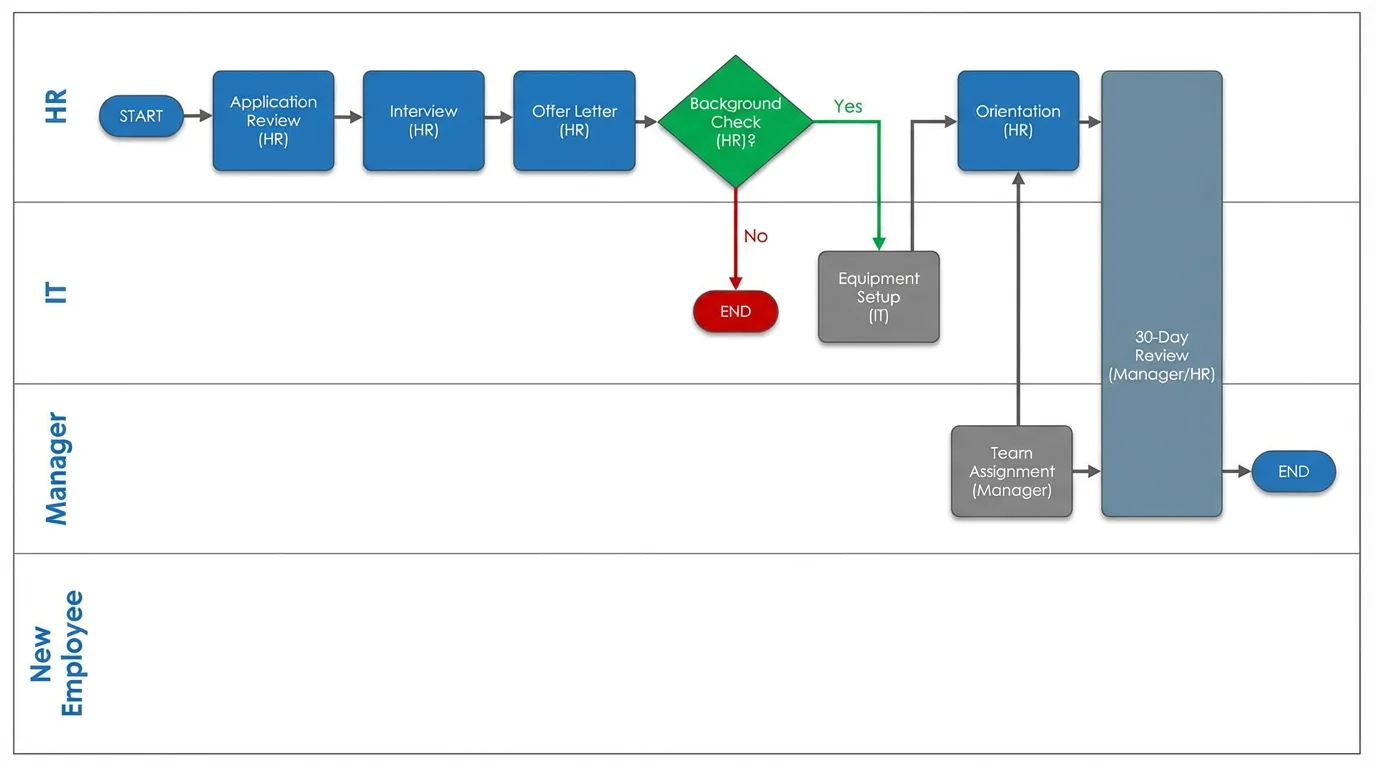 Visualisation
Générateur de diagrammes à partir de texte
Convertissez des descriptions textuelles en diagrammes professionnels, y compris des organigrammes, des diagrammes d'architecture et plus encore.
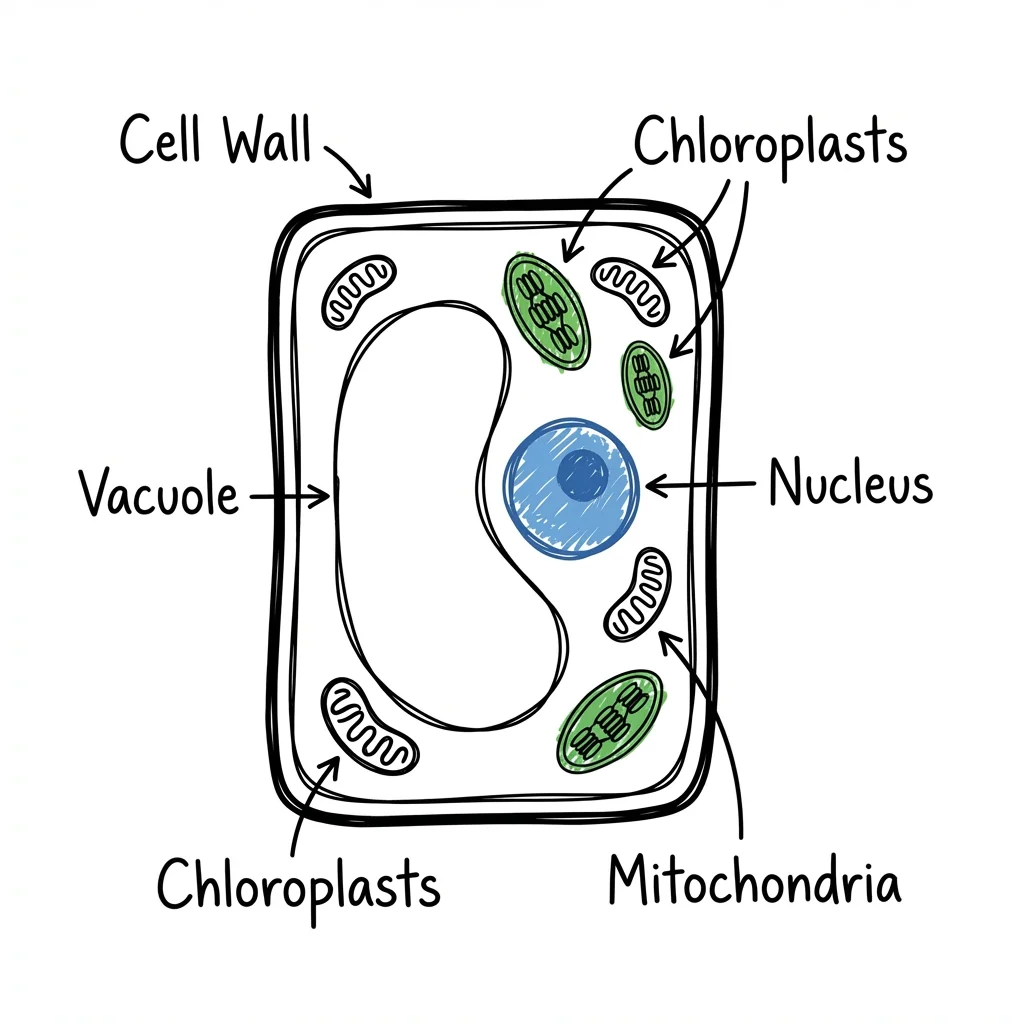 Éducation
Créateur de gribouillis scientifiques
Créez des gribouillis et illustrations scientifiques amusants dessinés à la main pour les supports pédagogiques.