Conceptual Framework Generator Visualize Your Research
Make a conceptual framework for your thesis or dissertation in seconds. Describe your independent, dependent, mediating, and moderating variables in plain English and the AI lays them out with labeled hypothesis arrows — ready for research papers and proposals. Free to generate and preview; watermark-free files with credits.
Conceptual Framework Generator
Gratis para probar ·
Used by 40,000+ teachers, students & researchers
Your conceptual framework will appear here
Describe your research model and click Generate
Conceptual Framework Examples
Browse examples from different research fields or generate your own above
Technology Adoption Model
A Technology Acceptance Model (TAM) framework — the classic layout for information-systems research papers.
Employee Performance Model
A human-resource-management framework with a moderating variable shaping the variable relationships.
Consumer Behavior Framework
A consumer-psychology model where satisfaction mediates the path from brand factors to purchase intention.
Educational Outcomes Model
An education-research model with multiple mediating pathways from inputs to learning outcomes.
Sustainability Business Model
A corporate-sustainability framework mapping the three ESG dimensions onto firm performance.
Health Behavior Model
A Theory of Planned Behavior (TPB) adaptation for health-behavior research.
IPO Framework (Thesis)
Generated from the IPO framework (thesis) example prompt: "Input-process-output conceptual framework in three columns. Input: "Profile of the respondents" and "Level of study habits". Process: "Survey questionnaire", "Data gathering" and "Statistical analysis". Output: "Proposed study skills enhancement program". Arrows left to right from Input to Process to Output, plus a dashed feedback arrow from Output back to Input." plus a short style note (clean academic box-and-arrow diagram, white background). Flaws: the diagram added a "Feedback" label that the prompt did not ask for, and the arrows connect the column frames rather than individual boxes. The background also has a faint ghost texture of stray text.
Mediator and Moderator Path
Generated from the Mediator and moderator path example prompt: "Conceptual framework: independent variable "Leadership Style" arrow to mediator "Psychological Safety", then arrow to dependent variable "Employee Retention", plus a direct arrow from Leadership Style to Employee Retention. Moderator "Team Size" with an arrow pointing onto the path between Psychological Safety and Employee Retention. Label the arrows H1, H2, H3 and H4." plus a short style note (clean academic box-and-arrow diagram, white background). Flaws: the diagram added role captions under each variable name (Independent Variable, Mediator, Moderator, Dependent Variable) that the prompt did not ask for, and the moderator arrow ends very close to the arrowhead of the H2 path, so check where it lands before reuse. The background also has a faint ghost texture of stray text.
What is a conceptual framework in research?
A conceptual framework is a visual map of the key concepts and variables in your study and the relationships you expect between them. It shows how your independent variables, dependent variables, mediators, and moderators connect, usually with directional arrows that represent your hypotheses. Think of it as the blueprint that links your research questions to your methodology — readers, reviewers, and thesis committees can see your whole argument at a glance. This generator turns a plain-English description of your study into exactly that diagram, with the variables placed and the hypothesis arrows labeled for you.
Independent, dependent, mediating, and moderating variables
- Independent variable (IV): the predictor or cause you study — the factor you expect to influence an outcome.
- Dependent variable (DV): the outcome you measure — the effect you expect the IV to change.
- Mediating variable: the mechanism that sits between the IV and DV and explains why the effect happens (IV → mediator → DV).
- Moderating variable: a variable that changes the strength or direction of the IV→DV relationship — it explains when or for whom the effect is stronger.
- Control variable: a factor you hold constant or account for statistically so it does not confound the relationships you care about.
Conceptual framework vs theoretical framework
These two terms are often confused, but they do different jobs. A theoretical framework is the existing theory you borrow as a lens — established constructs and propositions from the literature, such as the Technology Acceptance Model or the Theory of Planned Behavior. A conceptual framework is your own specific model for this study: it takes those ideas and lays out the exact variables and relationships you will test, often combining several theories or proposing new links. In short, the theoretical framework is the broad foundation, and the conceptual framework is the targeted map you build on top of it. This tool draws either one — a textbook theory model or your custom study design.
Conceptual framework examples and templates
- Quantitative example: name your independent variables, your dependent variable, any control variables, and number each hypothesis (H1, H2, H3). The diagram is a set of boxes with one arrow per hypothesis. Use the Quantitative example chip above to load a starter prompt.
- Qualitative example: place the central phenomenon in the middle and the themes or categories around it, joined by plain connecting lines instead of numbered hypotheses. Use the Qualitative example chip above to load a starter prompt.
- Mixed-methods example: show the quantitative strand and the qualitative strand as two inputs that feed one integration box, then the outcome you are explaining. Use the Mixed-methods example chip above to load a starter prompt.
- Each chip fills the prompt box with a complete starter description. Swap in your own variable names, then generate. Treat the result as a first draft to refine against your own literature review and your supervisor feedback.
IPO (input-process-output) conceptual framework
- Many undergraduate and master’s theses draw the Chapter 1 conceptual framework as an input-process-output (IPO) diagram. Input is what the study starts with, such as the respondents’ profile, the variables you measure, or the requirements of a system you build.
- Process is what you do with the input, such as the survey, interviews, data gathering and statistical analysis, or the development steps for a system.
- Output is what the study produces, such as the findings or a proposed program, plan or system. Arrows run from input to process to output, and some theses add a feedback arrow from output back to input.
- Use the IPO framework (thesis) and IPO framework (system) chips above to load a starter prompt, then replace the items with your own. Check your own program’s thesis guide for the format it expects.
Conceptual paradigm vs conceptual framework
In many thesis guides, especially in some Southeast Asian programs, the “conceptual paradigm” is simply the diagram of your variables, often an IPO figure, so it means the same kind of figure as a conceptual framework. It is not the philosophical “research paradigm” (positivism, interpretivism, pragmatism), which this generator does not choose for you.
Mediator and moderator path
To show a mediation path, draw independent variable to mediator to dependent variable, and add a direct arrow if you also expect a direct effect. To show moderation, draw the moderator as its own box with an arrow pointing onto the path it changes, not into a variable box. Use the Mediator and moderator path chip above for a starter prompt, then rename the variables and check that every arrow points in the direction you hypothesize.
How to build a conceptual framework for a thesis or dissertation
- Start from your research question and identify the dependent variable — the outcome you ultimately want to explain.
- List the independent variables (predictors) you believe influence that outcome, drawn from your literature review.
- Decide whether any mediators explain the mechanism, and whether any moderators change the strength of a relationship.
- State each expected relationship as a hypothesis (H1, H2, …) and draw a directional arrow for it.
- Describe all of this in the box above and generate the diagram, then refine the labels and export it for your proposal or thesis chapter.
Generate a framework from a plain-English description
You do not need design software or hours of dragging boxes around. Describe your study the way you would explain it to a colleague — name your independent and dependent variables, any mediators or moderators, the theory you are building on, and your hypotheses — and the AI arranges the constructs into a clean academic layout with labeled arrows. It is the fastest way to go from a research idea to a presentable framework figure, and you can regenerate as your model evolves.
Use it across any research field
Conceptual frameworks are required across disciplines, and the generator adapts to all of them. Business and management researchers map drivers of performance and adoption; psychology and education researchers trace motivation and learning pathways; health-sciences researchers model behavior and outcomes; and information-systems researchers build TAM- and UTAUT-style models. Whether your study is quantitative with hypothesis arrows or qualitative with themes and categories, you can describe the relationships and get a framework figure that fits your paper.
Preguntas frecuentes
More Research Tools
 Research
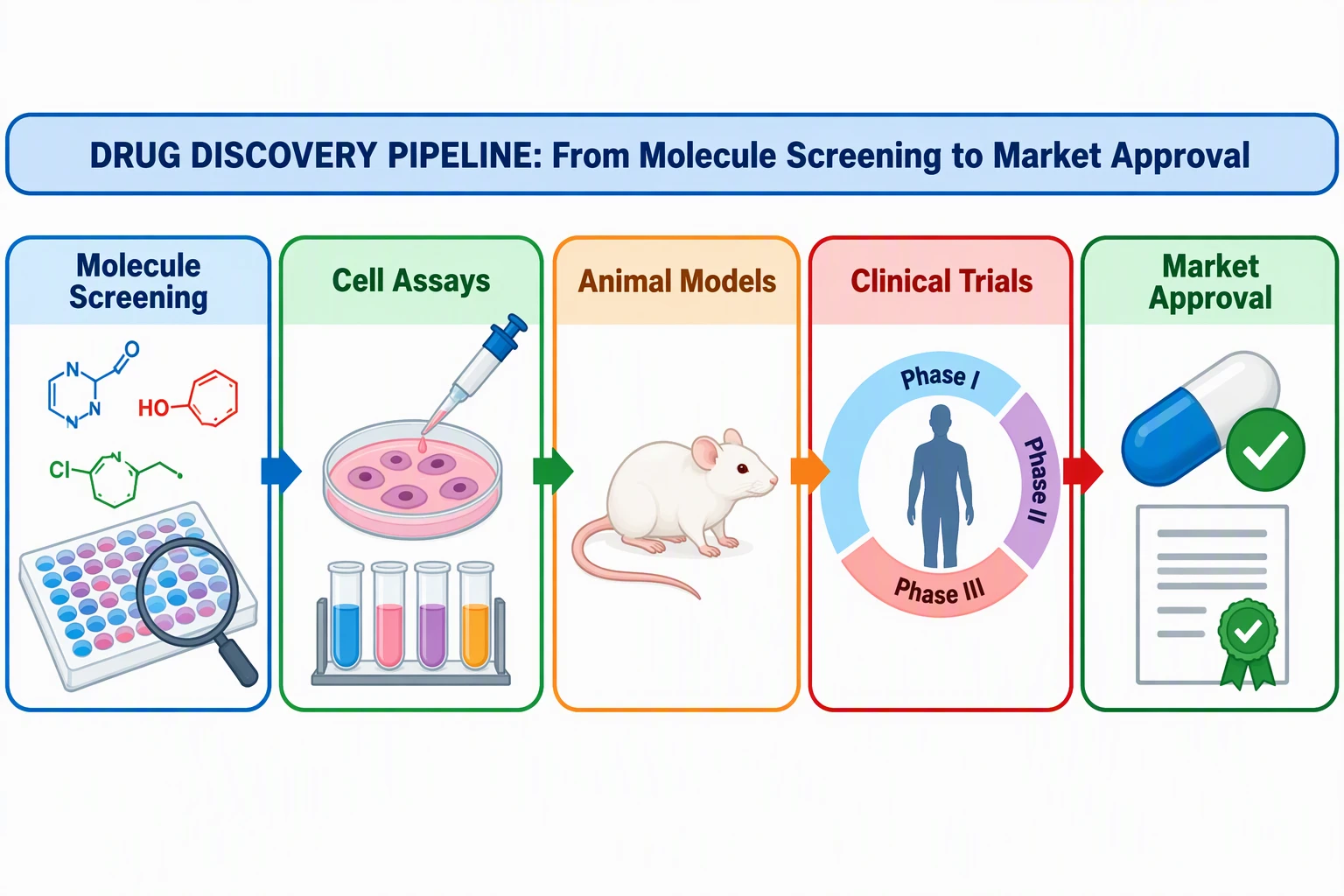
Graphical Abstract Maker
Create professional graphical abstracts for academic journal submissions.
 Visualization
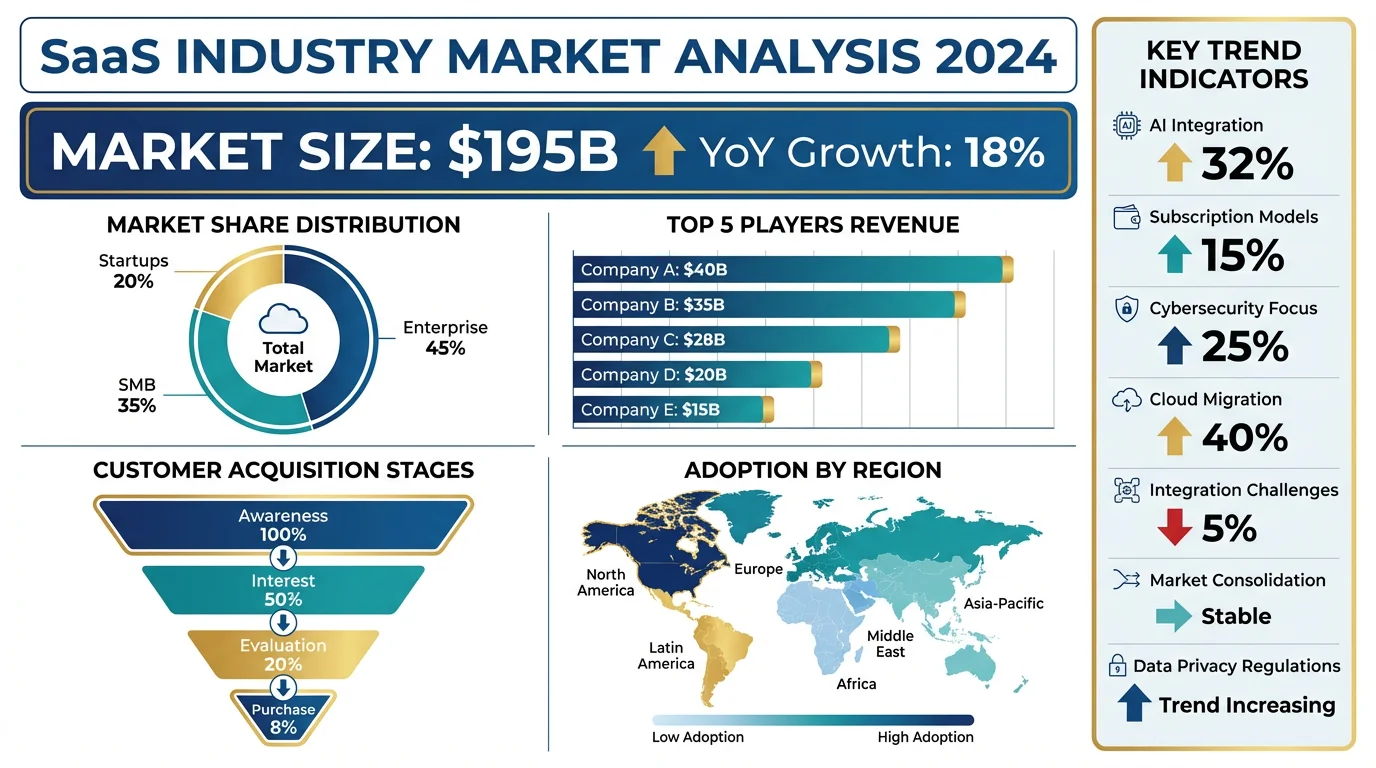
AI Infographic Generator
Turn your data and key points into clean, shareable infographics for reports.
 Research
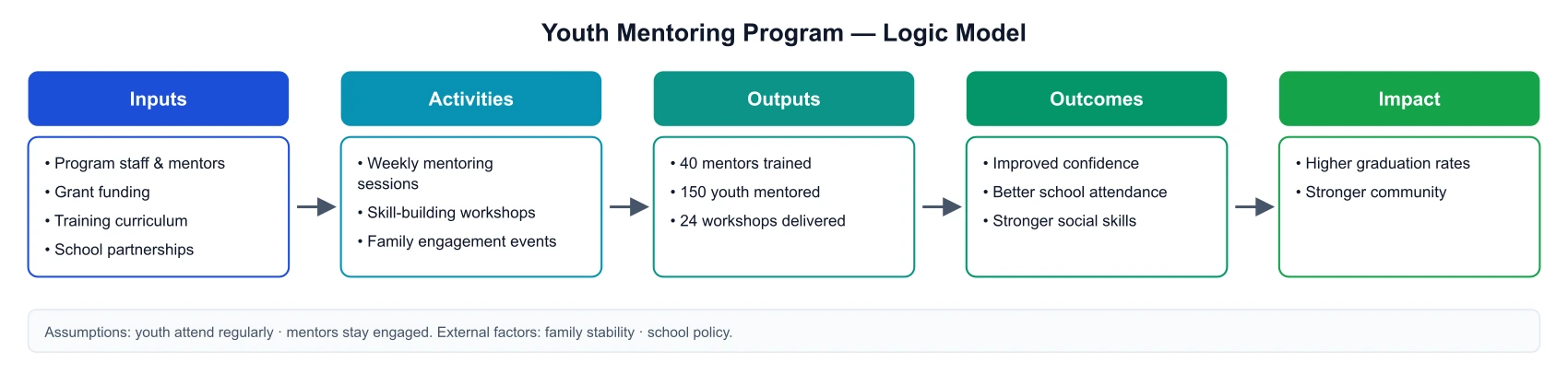
Logic Model Generator
Map program inputs, activities, outputs, and short- to long-term outcomes for grants and evaluation.
 Research
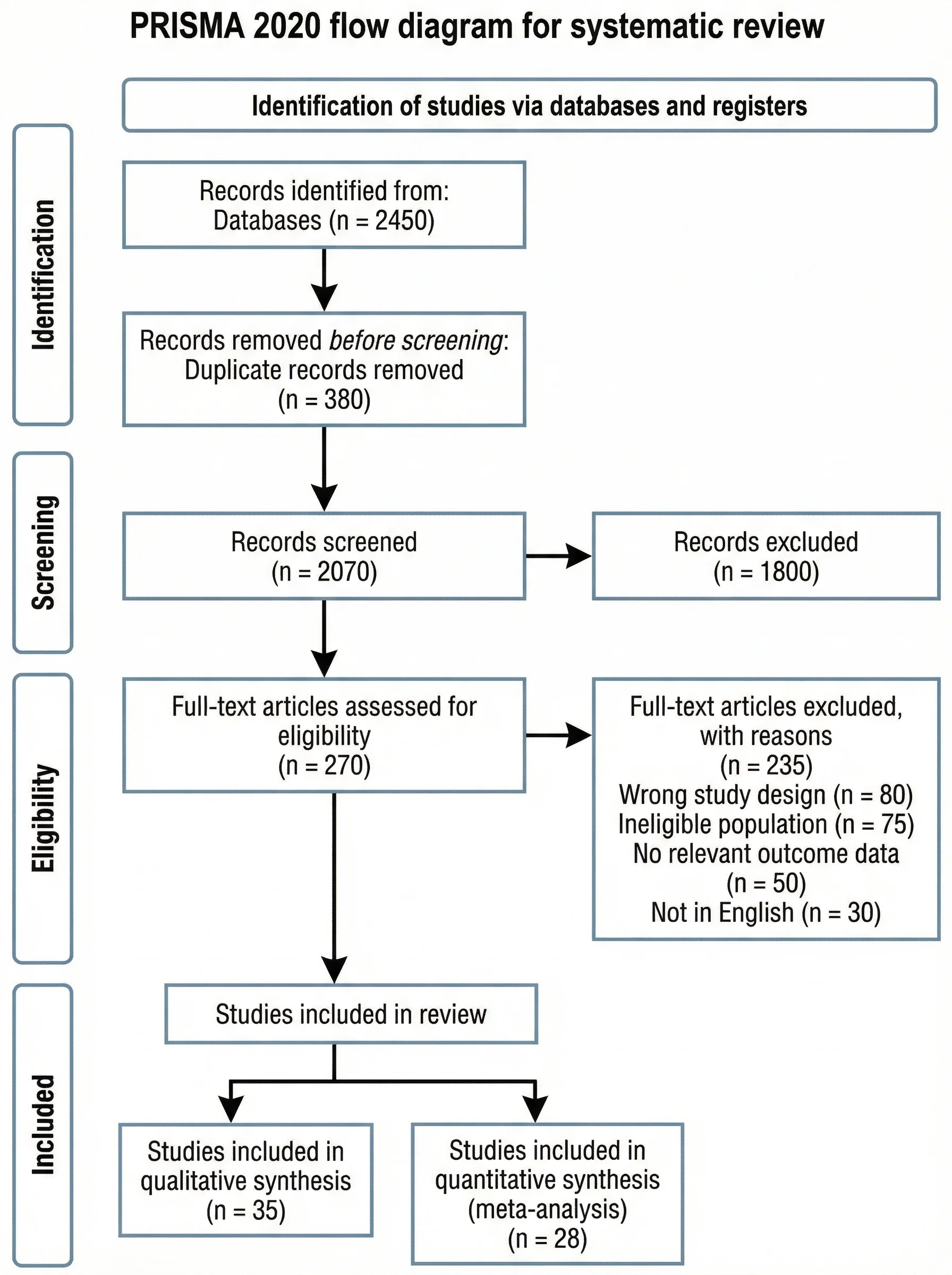
PRISMA Flow Diagram Generator
Fill in your record counts and get a PRISMA 2020 flow diagram for your systematic review.