Генератор Синтаксического Дерева Диаграммы Синтаксических Деревьев
Введите любое предложение, и наш ИИ создаст размеченное синтаксическое дерево, показывающее фразовую структуру, составляющие и иерархическую грамматику. Идеально для курсов лингвистики, домашних заданий по синтаксису и языковых исследований.
Генератор Синтаксического Дерева
By using ConceptViz, you agree not to generate or edit adult, sexual, explicit, unsafe, or policy-violating content. See Content Policy.
Попробовать бесплатно ·
Ваше синтаксическое дерево появится здесь
Введите предложение и нажмите Сгенерировать
Примеры Синтаксических Деревьев
Просмотрите примеры различных синтаксических структур или сгенерируйте свой собственный выше
Дерево Разбора Простого Предложения
Базовое дерево разбора составляющих для простого английского предложения, показывающее структуру именной и глагольной группы с терминальными узлами.
Сложное Предложение с Придаточными
Дерево разбора сложного предложения со встроенным придаточным предложением со структурой комплементайзерной группы.
Дерево Формирования Вопроса
Дерево разбора, иллюстрирующее wh-перемещение и инверсию подлежащего и вспомогательного глагола при образовании вопросительных предложений в английском языке.
Дерево Страдательного Залога
Дерево разбора предложения в страдательном залоге, демонстрирующее перемещение NP из позиции комплемента в позицию подлежащего.
Дерево Относительного Придаточного
Дерево разбора, показывающее относительное придаточное, модифицирующее именную группу, с относительным местоимением в Spec-CP и лакуной во встроенном придаточном.
Дерево Х-штриха Именной Группы
Структура Х-штриха сложной именной группы со спецификатором, адъюнктом и комплементом, иллюстрирующая три уровня проекции.
Что такое Синтаксическое Дерево?
Синтаксическое дерево, также называемое деревом разбора или деревом фразовой структуры — это диаграмма, которая представляет иерархическую грамматическую структуру предложения. В отличие от плоских диаграмм предложений, показывающих связи между словами на одной линии, синтаксические деревья показывают, как слова группируются в составляющие и как эти составляющие объединяются в более крупные единицы вплоть до уровня предложения. Каждый узел дерева помечен синтаксической категорией, такой как S (предложение), NP (именная группа), VP (глагольная группа) или PP (предложная группа). Терминальные узлы в нижней части дерева соответствуют фактическим словам предложения. Синтаксические деревья являются фундаментальным инструментом в теоретической лингвистике, компьютерной лингвистике и языковом образовании.
Правила Фразовой Структуры
- S -> NP VP: предложение состоит из именной группы, за которой следует глагольная группа
- NP -> (Det) (AdjP) N (PP): именная группа факультативно содержит детерминатор, адъективную группу, вершинное существительное и предложную группу
- VP -> V (NP) (PP) (AdvP): глагольная группа содержит глагол и факультативные комплементы, такие как именные, предложные или адвербиальные группы
- PP -> P NP: предложная группа состоит из предлога, за которым следует именная группа
- CP -> (C) IP: комплементайзерная группа факультативно содержит комплементайзер, за которым следует инфлекционная группа, используемая для встроенных придаточных
- Эти правила подстановки называются правилами фразовой структуры или правилами контекстно-свободной грамматики, и они определяют допустимые структуры языка, указывая, как каждая категория составляющих может раскладываться на свои компоненты
Как Нарисовать Синтаксическое Дерево
Чтобы нарисовать синтаксическое дерево, начните с определения предложения и пометьте верхний узел как S. Разделите предложение на его основные составляющие, обычно подлежащее NP и сказуемое VP. Продолжайте разбивать каждую группу на более мелкие компоненты, следуя правилам фразовой структуры: детерминаторы, прилагательные, существительные внутри NP; глаголы, дополнения и предложные группы внутри VP. Проведите ветвящиеся линии от каждого родительского узла к его дочерним. Терминальные узлы содержат фактические слова предложения. Каждый нетерминальный узел должен быть помечен синтаксической категорией. Убедитесь, что дерево имеет бинарное ветвление, где это возможно, отражая современную синтаксическую теорию. Наш генератор на основе ИИ автоматизирует весь этот процесс, создавая правильно размеченные деревья из любого введённого предложения.
Основы Теории Х-штриха
Теория Х-штриха — это компонент генеративной грамматики, который обеспечивает единый шаблон для внутренней структуры всех составляющих. Согласно теории Х-штриха, каждая составляющая имеет одинаковую трёхуровневую архитектуру: вершина (X), промежуточная проекция (Х-штрих или X') и максимальная проекция (XP). Вершина — это основной лексический элемент, уровень Х-штриха сочетает вершину с её комплементом, а уровень XP добавляет спецификатор. Например, в именной группе вершина N сочетается с комплементом PP, образуя N-штрих, а спецификатор-детерминатор сочетается с N-штрихом, образуя полный NP. Теория Х-штриха обеспечивает структурную согласованность всех типов составляющих (NP, VP, AP, PP, IP, CP) и является основой большей части современного синтаксического анализа, преподаваемого на курсах лингвистики в университетах.
Применение Синтаксических Деревьев в Лингвистике
- Теоретический синтаксис: проверка гипотез о фразовой структуре, операциях перемещения и теории связывания с помощью древовидных представлений
- Преподавание языков: помощь студентам-лингвистам в визуализации составляющих, вершинности и иерархической структуры на курсах синтаксиса и морфологии
- Компьютерная лингвистика и NLP: алгоритмы разбора, такие как CKY и Earley, генерируют синтаксические деревья для анализа структуры предложений в программных приложениях
- Типологические исследования: сравнение синтаксических структур разных языков путём сопоставления их древовидных конфигураций для порядка слов (SVO, SOV, VSO)
- Психолингвистика: моделирование того, как человеческий анализатор поэтапно строит синтаксическую структуру при понимании предложений в реальном времени
- Усвоение второго языка: диагностика ошибок синтаксического переноса путём сравнения древовидных структур L1 и L2 для соответствующих типов предложений
Часто задаваемые вопросы
Другие Инструменты для Лингвистики и Образования
 Образование
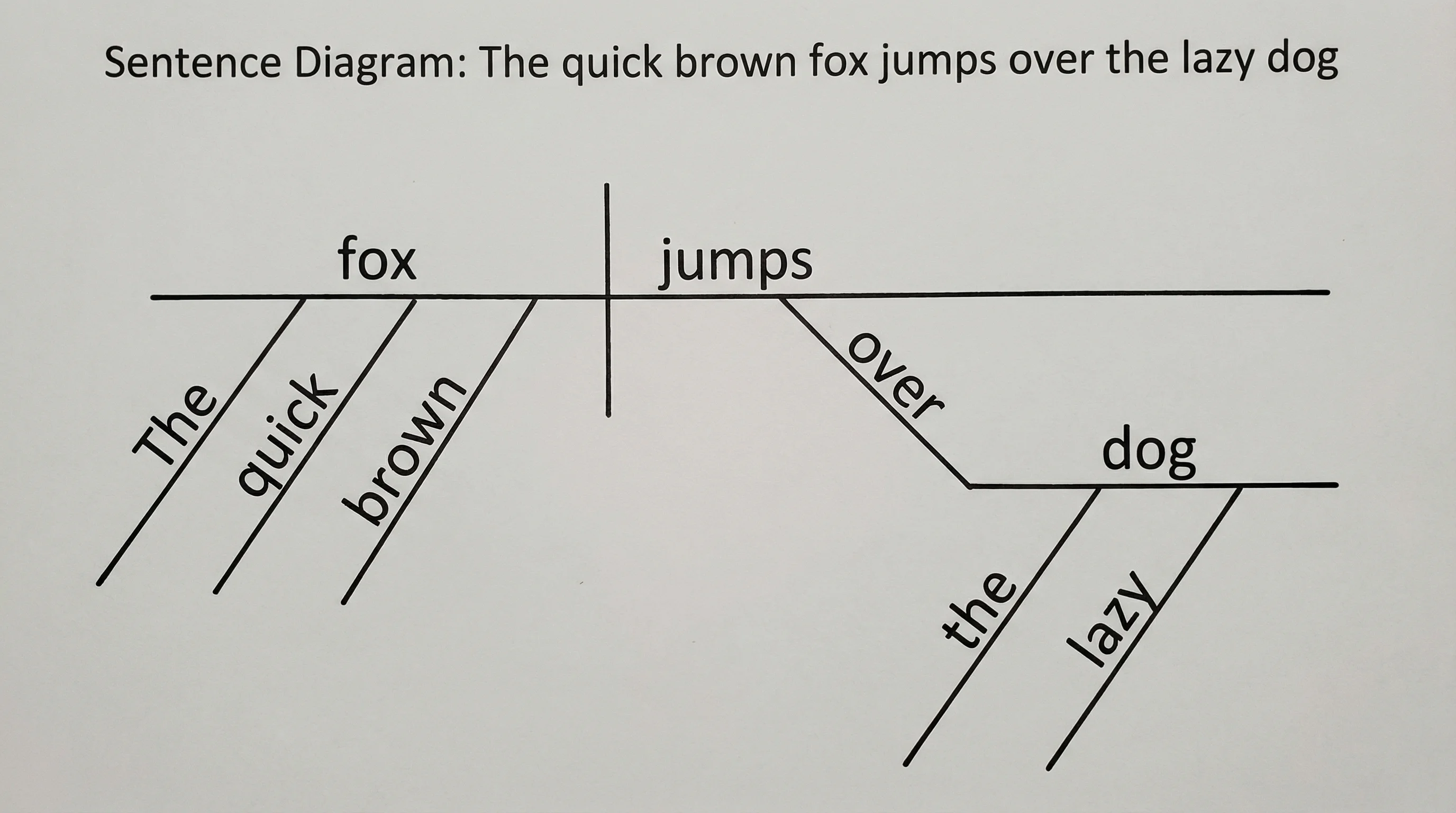
Генератор Диаграмм Предложений
Создавайте диаграммы предложений в стиле Рида-Келлогга для визуализации грамматической структуры с подлежащими, сказуемыми и определениями.
 Образование
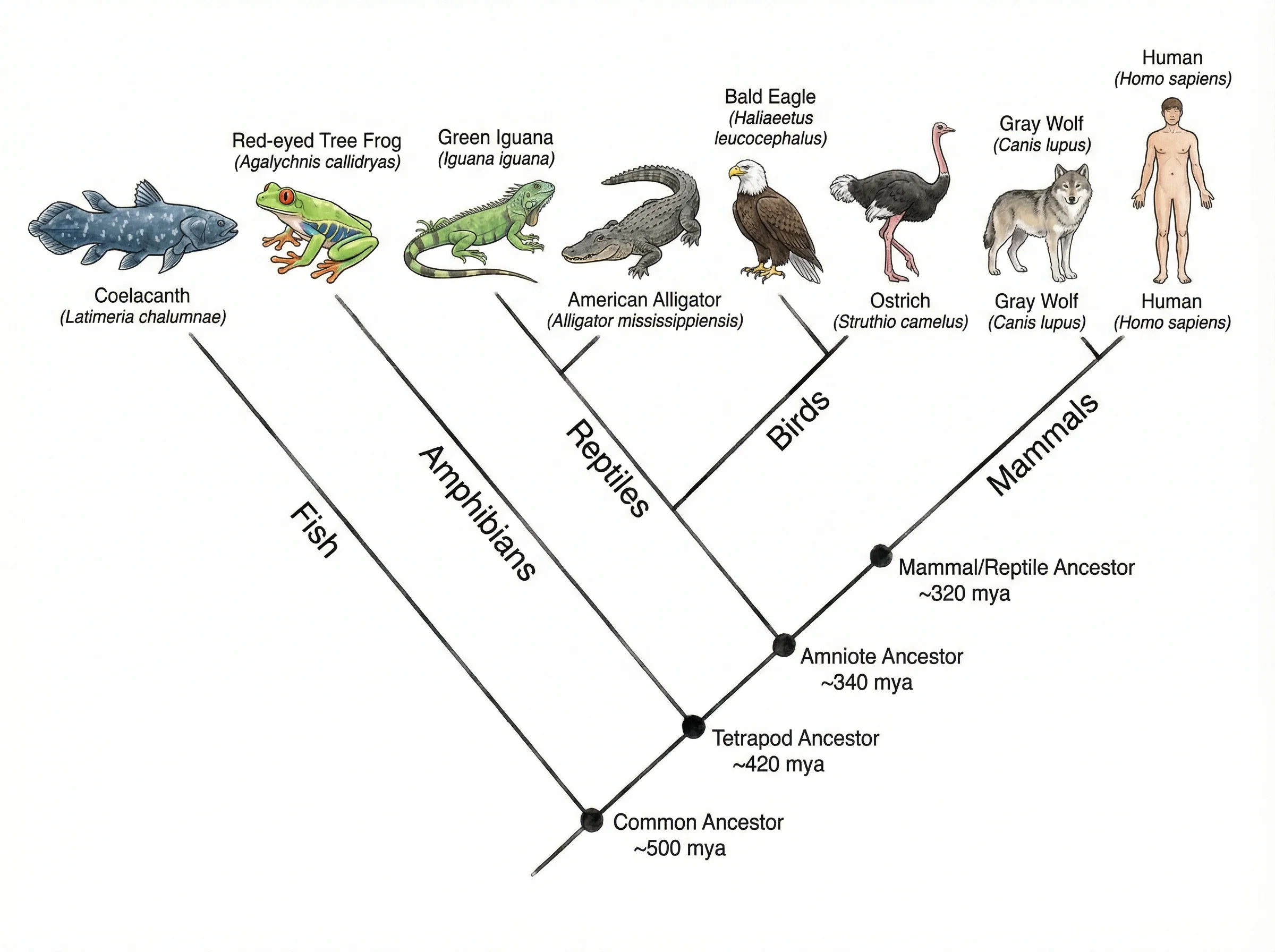
Конструктор Древовидных Диаграмм
Создавайте профессиональные древовидные диаграммы для таксономии, классификации, деревьев решений и вероятностей.
 Образование
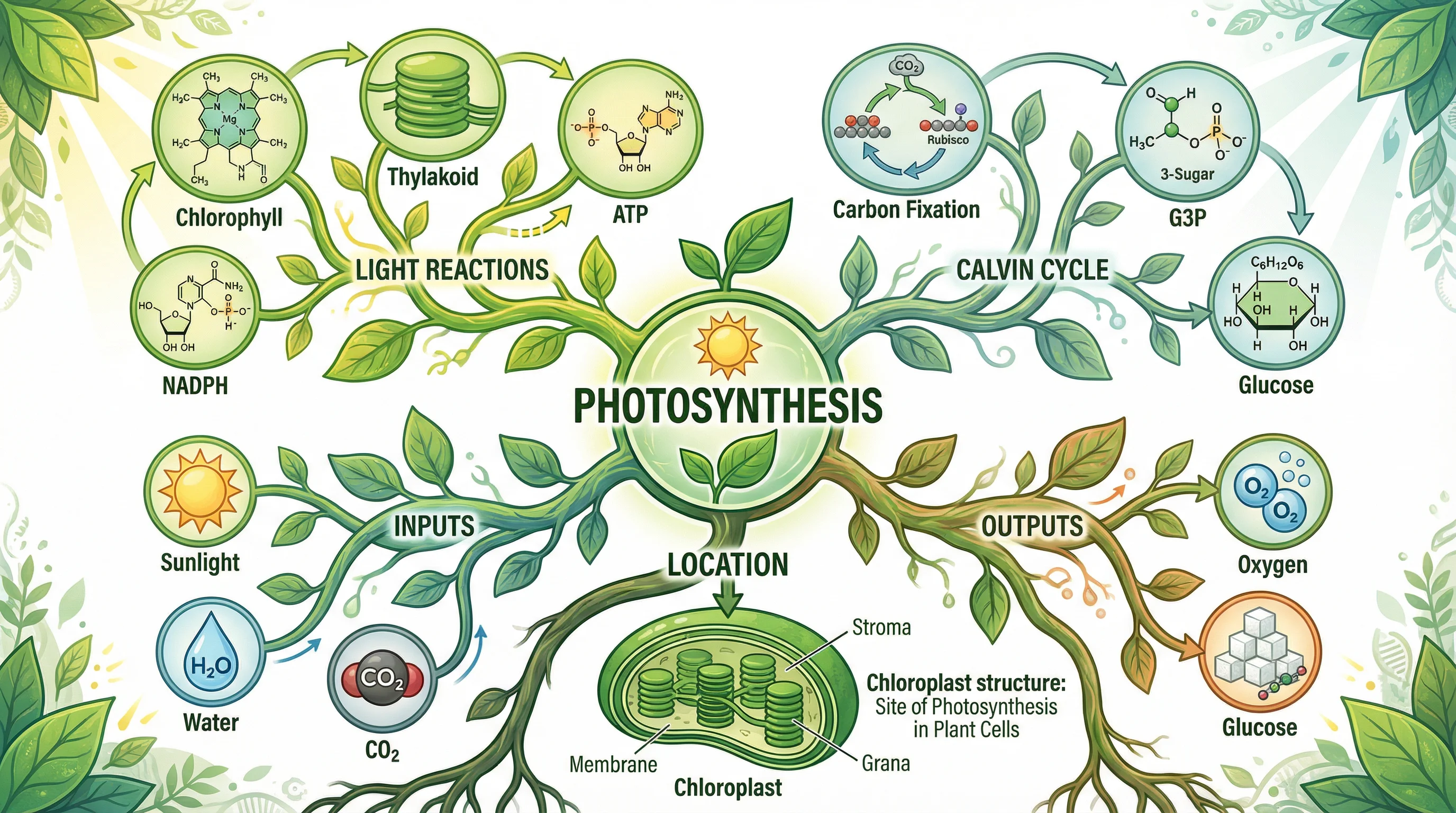
Генератор Ментальных Карт
Создавайте визуальные ментальные карты для мозгового штурма и иерархической организации информации.